Coatings and coatings performance testing
Measuring ceramic coatings and their coating properties is a critical step in ensuring product quality and performance stability. These tests not only verify the effectiveness of coating formulations and preparation processes, but also evaluate the stability and durability of coatings under different conditions. Understanding the performance parameters of ceramic coatings such as pH value, gel time, hardness and adhesion can help manufacturers optimize product design, improve production processes, and ensure that the final product meets expected standards and usage requirements, thereby meeting customer needs and ensuring Product performance stability and reliability in practical applications.
pH test
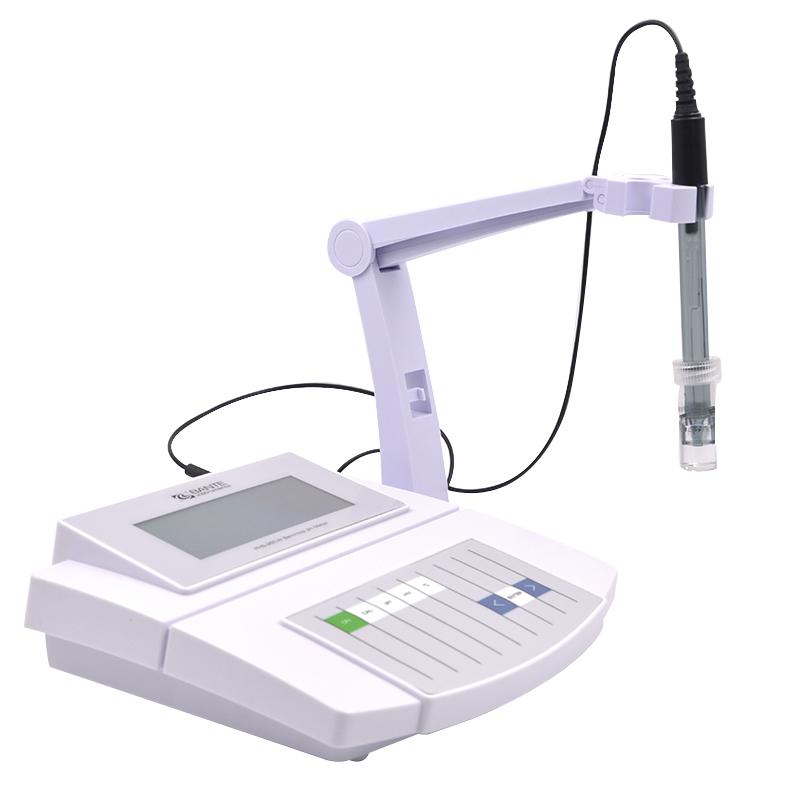
In the preparation process of ceramic coatings, pH value is an important parameter. Through pH testing, the content of acidic or alkaline components in the paint can be determined, which is crucial to the quality and stability of the paint. pH test paper is a simple preliminary measurement tool that provides an approximate pH range at room temperature. The portable acidity meter (PHS-25 type) can provide more accurate results and is a reliable tool for accurately measuring the pH value of the reaction system.
Gel time test
Gel time is the time it takes for a paint to begin to gel or cure under certain conditions. This test is done to evaluate specific properties of the coating, such as stability at different temperatures or humidity. Information on the gel time can be obtained by placing experimentally prepared ceramic coatings at room temperature and recording the time.
Pencil hardness test
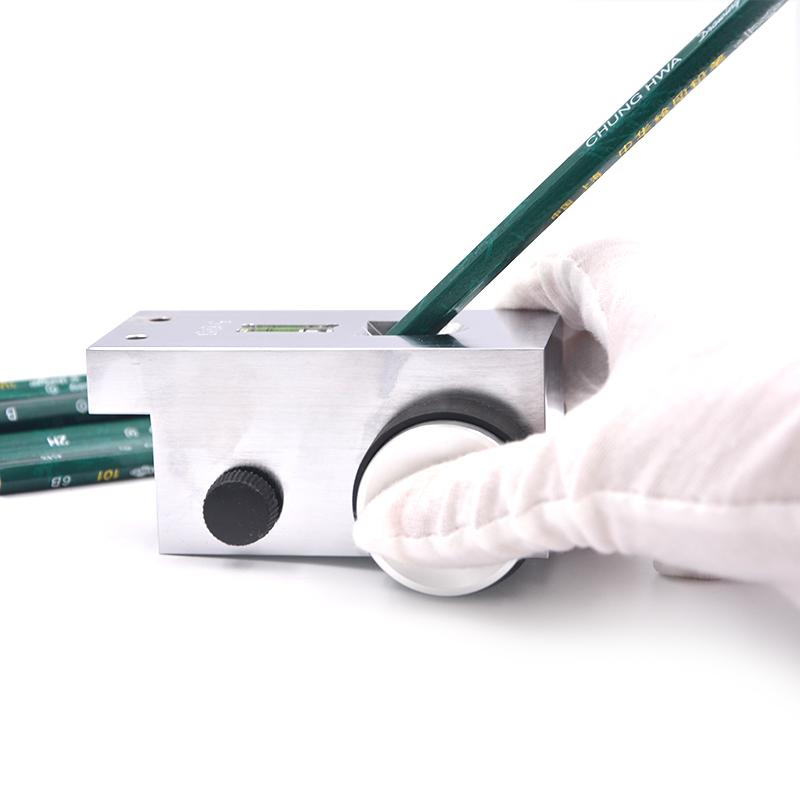
The pencil hardness test is one of the methods to evaluate the hardness of coatings. In accordance with the national standard GB/T 6739, the pencil hardness of the coating was measured using the trolley method. Specifically, scratch the coating surface with pencils of different hardness (such as 6H, 5H, etc.), and observe and compare the depth of the scratches to determine the hardness level of the coating.
Adhesion test
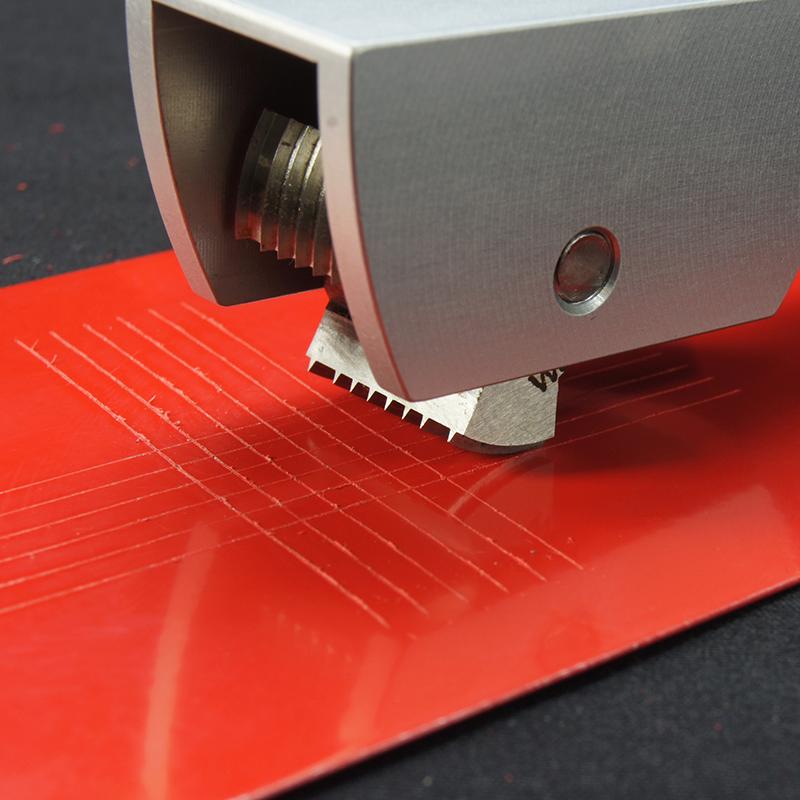
Adhesion testing is designed to evaluate the strength of adhesion between paint and substrate. In accordance with the provisions of the national standard GB/T 9286, the hundred-grid knife cross-hatch method is used to test the adhesion of ceramic coatings. This test method involves cutting out a cross-shaped grid pattern and then observing the degree of adhesion and damage between the coating and the substrate to determine the coating's adhesion rating.
These detailed test methods and standards allow for a more complete evaluation of the performance of ceramic coatings and coatings. These tests not only help manufacturers ensure that products meet quality requirements, but also help improve coating preparation processes and product performance.