Measurement and Application of Swirl/spin Viscometer
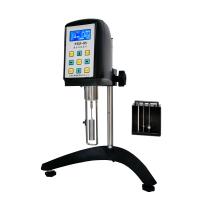
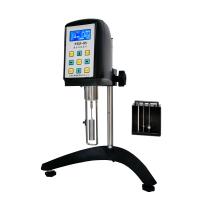
The Rotational Viscometer is used to measure the shear force of liquids between concentric circles, conical plates and parallel plates and is an effective tool for determining dynamic viscosity. It is suitable for measuring the viscosity of Newtonian fluids or liquids with approximate Newtonian fluid characteristics. The test range is 10~109 mPa·s. This article will introduce the preparation of instruments and reagents, elaborate on the test usage, and point out precautions and result presentation.
Instruments and reagents
When performing rotational viscosity testing, a Rotational Viscometer, beaker, super constant temperature bath, thermometer and constant temperature oven are required. For liquid samples, accurate temperature control is required in a 500mL beaker. For solid objects, they should be preheated and melted in an oven and then placed in a super constant temperature bath for temperature adjustment.
Steps for usage
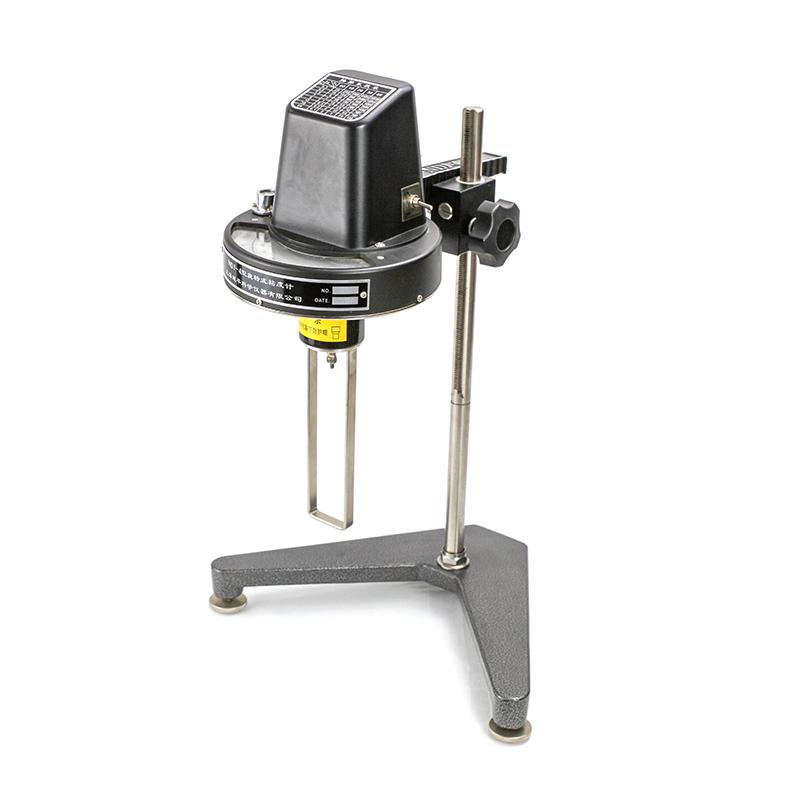
Install the protective frame, screw the optional rotor into the connecting screw, and adjust the level of the instrument so that the rotor liquid level mark is parallel to the liquid level.
Start the motor to make the rotor rotate in the liquid, wait for the pointer to stabilize or take readings according to the specified time. Use the pointer lever to take readings and adjust the rotor or rpm for better readings.
If an extension cable is used, it can be used hand-held without a protective frame. When installed on a bracket, it needs to be installed in a 180° inversion, and then the end of the extension cable is screwed into the connecting screw for testing.
Select the appropriate rotor and speed based on the estimated liquid viscosity range. If it is impossible to estimate, first use a small rotor and a slow speed to test, and then adjust gradually.
Repeat the operation three times, and the difference between the test values ââshall not exceed 3% of the average value. The test results are expressed as the arithmetic mean.
Precautions
When testing with a Rotational Viscometer,make sure the instrument is clean and well adjusted and that the spindle is fully immersed in the liquid. The temperature of the test liquid must be accurate to avoid the influence of too high or too low temperature on the test results. According to the test requirements, use the appropriate rotor and rotation speed, and correctly read the value displayed by the instrument. Clean and maintain instruments and reagents before and after conducting tests. Ensure that the test environment is relatively constant, especially temperature and humidity. Environmental changes may have an impact on the test results. Therefore, when conducting viscosity tests, try to avoid interference from environmental changes on the experimental results. Some samples may require a certain period of pretreatment or stabilization time before testing, such as dissolved solid samples, stable temperature, etc. Ensuring specimen stability helps obtain accurate test results. In actual testing, compliance with the above supplementary points will help ensure the accuracy and repeatability of Rotational Viscometer testing.
Guideline
This test method complies with the national standards of the People's Republic of CHINA GB/T 20035-2008 "Determination of Liquid Viscosity" and GB/T 2794-1995 "Determination of Adhesive Viscosity".