General guidelines for the use of platings
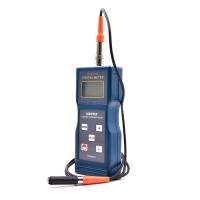
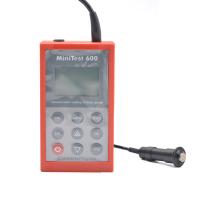
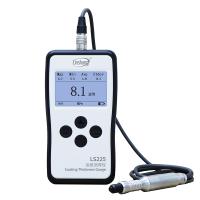
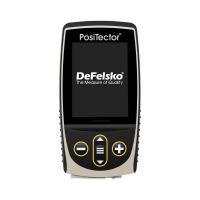
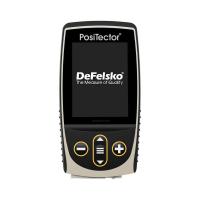
A coating Thickness Gauge is a device used to measure the thickness of coatings or coatings. It is suitable for automatically identifying different substrates and measuring using magnetic induction and eddy current technology. These instruments generally comply with international and national standards and can measure coating thickness quickly, accurately and non-destructively, and are suitable for use in laboratories and engineering sites.
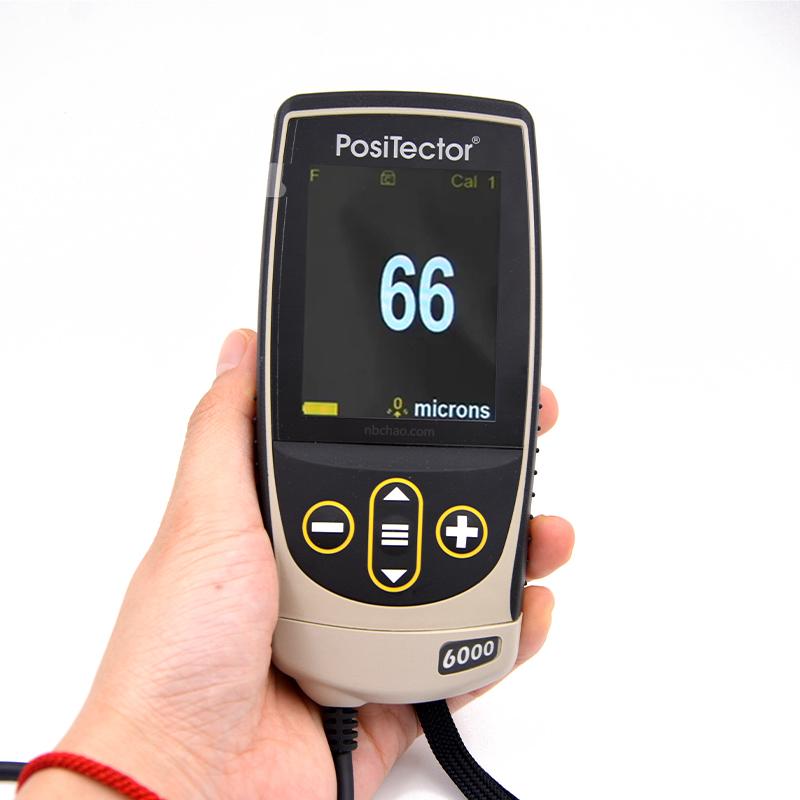
Steps for usage
When using a coating Thickness Gauge, be sure to follow the following detailed steps and usage details to ensure accuracy and safety:
Power on and prepare
Check the battery status and make sure the battery is sufficient. If the battery needs to be replaced, follow the instructions in the manual.
Make sure the surface of the measuring instrument and probe are clean and dust-free, and keep the surface of the measured object dry.
Insert the calibration standard within the standard measurement range and calibrate the instrument according to the instructions to ensure accuracy.
Measurement preparation
Select the appropriate probe to match the surface and coating type being measured.
Place the measuring probe vertically against the surface of the coating being measured. Make sure the probe is in close contact with the surface of the object being measured to avoid shaking or friction.
Confirm the substrate type of the coating being measured to adjust the instrument's measurement mode.
Measurement operations
Place the instrument probe on the surface of the object being measured, making sure not to apply additional pressure, and wait for the measurement reading to stabilize.
Press the measurement button to take a measurement. Measuring times may vary depending on coating type and thickness.
Make sure to take multiple measurements to get an accurate average. There may be slight differences between different measurement points, so it is recommended to take multiple measurements in different areas.
Measurement results and data processing
View the measurement results on the instrument display. Confirm whether the displayed results are stable and consistent with the expected results. If necessary, record the measurement results for subsequent analysis or documentation.
Instrument shuts down
After use, press the power-off button to turn off the instrument to save power. If the instrument will not be used for an extended period of time, remove the batteries to avoid damage to the instrument.
Instrument maintenance
Clean instrument surfaces and probes regularly to ensure they remain clean and free from accumulation of dust or dirt. Avoid excessive friction or damage to the measuring probe. Store and protect the probe carefully after use.
Instrument calibration and repair
Calibrate the instrument according to the instructions in the instruction manual. If you find that your measurements are inaccurate or require calibration, follow the steps in the instruction manual. If an instrument malfunctions or requires repair, please contact the manufacturer or a designated service center for processing.
Precautions
Use an uncoated substrate or a standard test block with the same substrate material as the product being tested for calibration to reduce the impact of the substrate material on measurement accuracy.
When measuring ultra-thin coatings (within 10μm), please make sure to calibrate on an uncoated substrate to ensure measurement accuracy.
Avoid severe vibration or impact on the instrument to avoid affecting the measurement accuracy.
It is not advisable to slide the instrument for measurement, knock or collide with the probe to avoid damaging the probe.

- 1Coating platings Thickness Gauge FAQ and its solution
- 2Simple Selection Method of Magnetic Induction Coating Thickness Gauge
- 3Tide Review: McCourt Coating Thickness Gauge MikroTest G 6
- 4Yuwen Automobile Coating Thickness Gauge Function Video Introduction
- 5Yuwen EC-777 Automobile Coating Thickness Gauge Beauty Appreciation
- 6QNIX Nix 4200 Magnetic Induction Coating Thickness Gauge Real Photo Appreciation
- 7QNIX 8500 Coating Thickness Gauge Real Photo Appreciation
- 8Defelsko Positector 6000 NRS1 Coating Thickness Gauge Beauty Appreciation
- 9Defelsko PosiTest mechanical coating Thickness Gauge evaluation [with high definition real picture]