Dyne pen in film printing
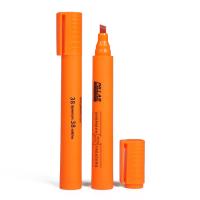
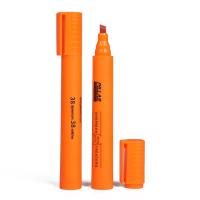
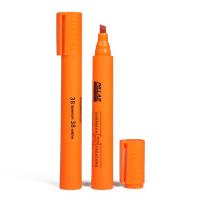
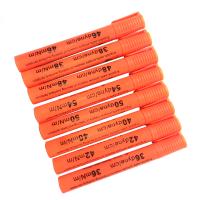
In processes such as printing, laminating or aluminizing, the surface tension of the film is a key parameter that directly affects the printing quality and the risk of tool delays. In order to accurately test the surface tension of plastic films, the series dyne pen becomes an effective tool. This article will introduce how to use a series of dyne pens and analyze the impact of test results on the printing process.
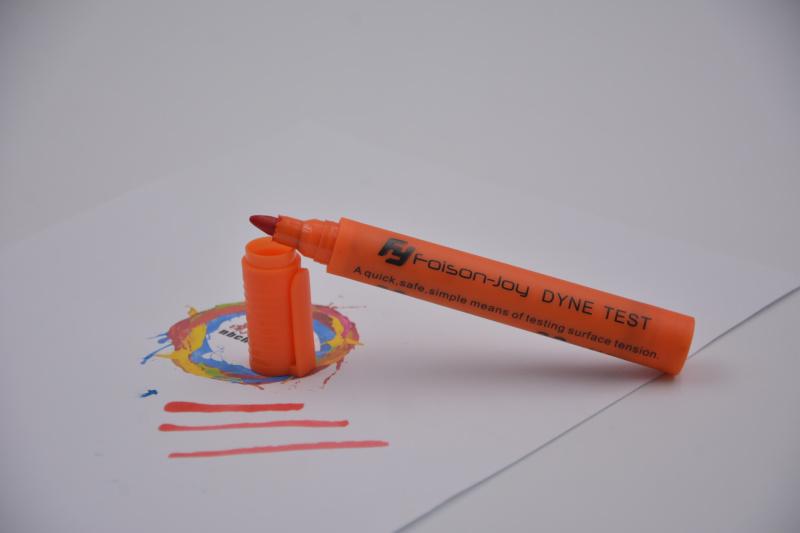
1. Application range of series dyne pens
The series of dyne pens are not limited to testing plastic films, but can also test the surface tension of other flat materials. This makes it a widely used tool in the printing industry, helping users clearly understand whether a material is suitable for printing, laminating or aluminizing purposes.
2. The relationship between surface tension and printing effect
The surface tension of a film substrate is directly related to the droplet, coating and surface energy. Generally speaking, if the energy on the surface of the substrate is lower than the surface tension of the applied test liquid, the phenomenon of bead points and drawing lines shrinking, that is, wetting, will occur. The original surface tension of the plastic substrate is small, and after treatment before printing, the surface tension generally needs to be between 38-42 dynes to achieve good wetting effects.
3. Theoretical wetting angle and actual printing effect
A wetting angle of zero may theoretically result in the ink spreading across the entire film, but in practice this results in the colors blending together and the pattern no longer being clearly visible. Therefore, in addition to cost and physical feasibility considerations, an appropriate wetting angle needs to be maintained during actual printing.
4. Methods and analysis results of using series of dyne pens
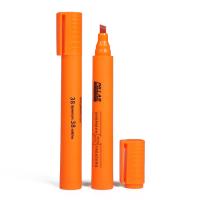
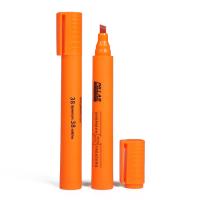
When testing the surface tension of a film, the use of a dyne pen is relatively simple. Users only need to hold the dyne pen perpendicular to the film plane, apply appropriate pressure, and gently draw a line on the film surface. According to the performance of line drawing, the following analysis results can be obtained:
The lines are evenly distributed without beads: the surface tension is high and suitable for printing.
The drawing line shrinks slowly: the surface tension is slightly lower and the printing effect may not be good.
The drawn lines immediately shrink and form bead points: the surface tension is very low, making it unsuitable for printing.
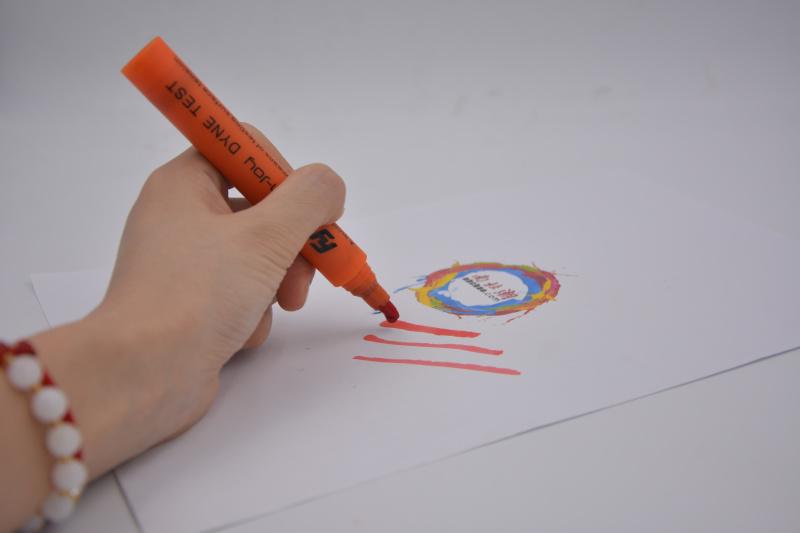
By using a series of dyne pens to test film surface tension, users can effectively control printing quality and reduce tool delays caused by unqualified materials. The application of the series of dyne pens is not limited to plastic films, but can also be used for surface tension testing on a variety of flat materials, providing a simple and reliable quality control tool for the printing industry.
-
![UK PILLAR sherman No. 38 Dyne pen Corona pen, thin film surface energy]()
-
![Fengzhiyue 38 Printing ink Dyne pen Dyne value 38 blue]()
-
![UK PILLAR sherman 26 Dyne pen Corona pen, cleanliness]()
-
![UK PILLAR sherman 58 Dyne pen Corona pen]()
-
![UK PILLAR sherman 36 Dyne pen Corona pen]()
-
![UK PILLAR sherman 40 Dyne pen Corona pen letterpress plate]()
-
![Fengzhiyue 54 Dyne pen]() Fengzhiyue 54 Dyne pen$ 84.00
Fengzhiyue 54 Dyne pen$ 84.00 -
![British PILLAR sherman 50 Dyne pen corona pen solvent]()
-
![UK PILLAR sherman 34 Dyne pen Corona pen]()

- 1Application of Dyne pen in surface tension measurement
- 2Dyne pen test method
- 3How to Use a Dyne Pen to Determine Surface Energy
- 4How to Ensure the Accuracy of the Dyne Pen Test
- 5Dyne Pen Controls Surface Tension of Printed Coatings
- 6Four simple steps to use the dyne pen correctly
- 7Dyne pens and test fluid -- how do they work?
- 8What is dyne level?
- 9What is dyne (surface tension)?