Principle and Application of Combustible Gas Leak Detection
introduction
In industrial production, energy utilization and daily life, flammable gas is an inevitable presence. However, flammable gas leaks can have catastrophic consequences, including explosions, fires, and casualties. In order to promptly detect and prevent potential risks, combustible gas leak detection technology emerged as the times require. This article will conduct an in-depth study of the principles, technical means, application scenarios, practices and future development trends of combustible gas leak detection, and present readers with this key technology that plays a guardian role in safe production.
Principles of combustible gas leak detection
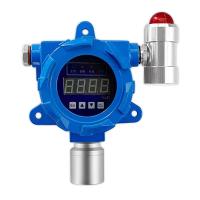
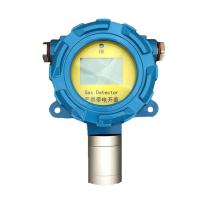
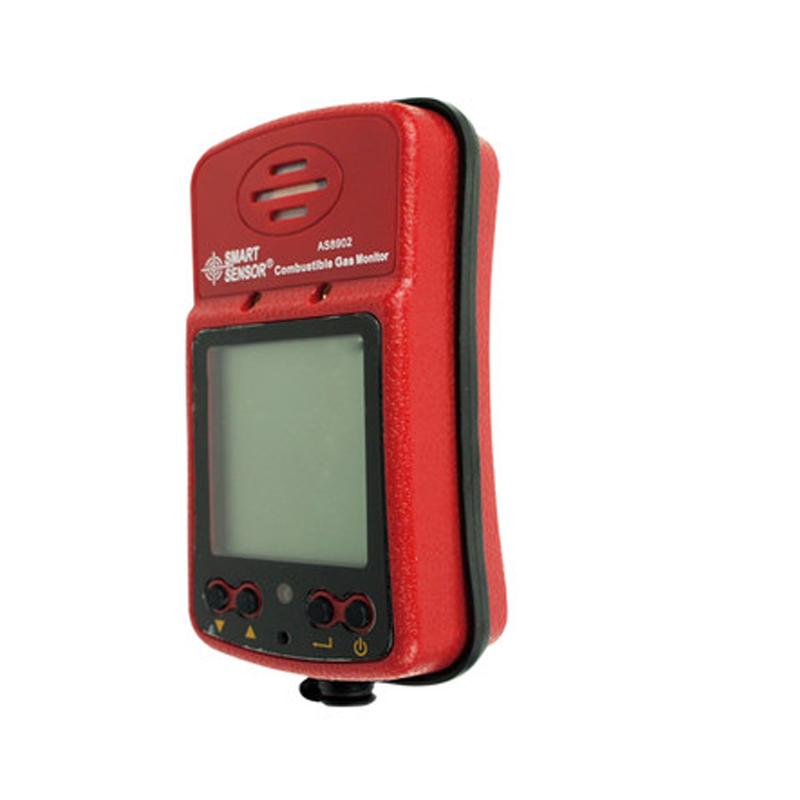
The principle of combustible gas leak detection is based on gas concentration measurement and sensing technology. Combustible Gas Detectors usually use different types of sensors such as semiconductor, infrared, and electrochemical sensors. These sensors provide sensitive detection of combustible gases in the surrounding air. The sensor monitors the concentration of combustible gases and converts it into an electrical signal. Different sensor types are specific to different types of combustible gases. When the Detector measures that the combustible gas concentration exceeds the preset safety threshold, the system will activate an alarm mechanism, including sound and light alarms, alarm signal transmission, etc., to remind people to take corresponding safety measures.
Technical Means for Combustible Gas Leak Detection
Infrared combustible Gas Detectors use specific wavelengths of infrared light and the absorption characteristics of combustible gas molecules to achieve accurate measurement of combustible gas concentrations, especially in the detection of explosive gases. Electrochemical sensors are based on the principle of chemical reactions of gas molecules on the electrode surface. They detect the concentration of combustible gases by measuring changes in current. They are widely used for the detection of carbon monoxide, methane and other gases. The resistance of the semiconductor combustible gas sensor changes as the gas concentration changes. The concentration of combustible gas is determined by measuring the change in resistance. It is mainly used to detect some flammable gases. Ultrasonic Detectors use sound waves generated when gas leaks occur to determine the location and concentration of flammable gas leaks by measuring the frequency and amplitude of the sound waves.
Application scenarios
In chemical, petroleum, natural gas and other industrial fields, combustible gas leak detection is widely used to prevent fires and explosions and ensure the safety of workers and equipment. In energy facilities such as power plants, oil and gas pipelines, and LNG stations, flammable gas leak detection is used to monitor the safe operation of pipelines and equipment. Household combustible Gas Detectors are used to monitor leaks of natural gas, liquefied petroleum gas and other combustible gases in the home, and issue timely alarms to ensure home safety. In laboratory environments and medical facilities, flammable gas leak detection helps ensure the normal operation of experimental and medical equipment and protect against potential hazards. In the field of transportation, combustible gas leak detection is used to monitor fuel leaks in vehicles, aircraft, ships and other means of transportation to prevent fire and explosion accidents.
In the future, combustible gas detection systems may become more intelligent, realizing remote monitoring, data transmission and centralized management through networking technology, improving the efficiency and convenience of monitoring. Introducing multiple sensor fusion technologies to achieve simultaneous monitoring of multiple combustible gases and improve detection accuracy and comprehensiveness. Future combustible Gas Detectors may pursue higher sensitivity and lower power consumption to meet the needs of different application scenarios. Introducing artificial intelligence technology to analyze and process large amounts of data to improve detection accuracy and the ability to judge abnormal situations. With the continuous development of technology, combustible gas leak detection technology may be applied in a wider range of application fields, such as aerospace, environmental monitoring, etc.
Conclusion
Combustible gas leak detection technology, as the guardian of safe production, plays an important role in industry, homes and public places. Its principles, technical means, application scenarios and practices provide us with effective means to ensure safety when facing flammable gas leaks. In the future, with the continuous advancement of science and technology, combustible gas leak detection technology is expected to usher in more innovations and provide people with smarter and more reliable safety protection.