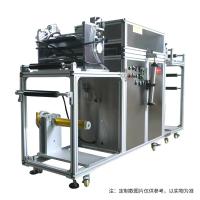
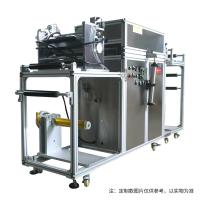
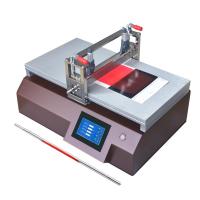
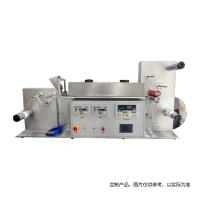
Review of laboratory film coater technology and selection method
introduction
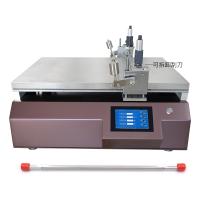
In today's era of rapid technological development, laboratory thin film coating technology plays a vital role in materials science, optoelectronics, energy storage and other fields. Thin film coating technology is a key process to form a uniform, dense and high-quality film on the surface of a substrate. As the core equipment for realizing this technology, the laboratory Film Applicator's performance and selection have an important impact on film quality and preparation efficiency. This article will delve into the technical characteristics, application fields and selection methods of laboratory thin film coating machines.
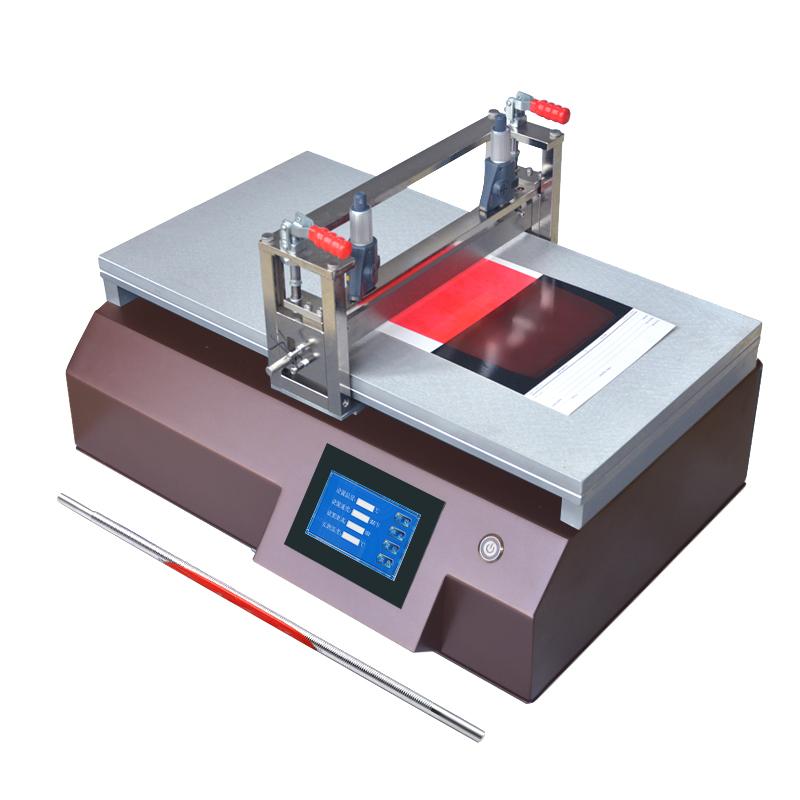
1. Technical characteristics
1. Coating method
The coating methods of laboratory thin Film Applicators mainly include spin coating, spray coating, roller coating, ion beam sputtering, chemical vapor deposition, etc. Spin coating is suitable for solution-based materials, while ion beam sputtering is commonly used for solid thin-film materials. The choice of coating method needs to be comprehensively considered based on the properties of the specific material and the purpose of the experiment.
2. Scope of coating materials
Different laboratory Film Applicators have different coating material ranges. Some machines are suitable for organic materials, while others are suitable for inorganic materials such as metals and oxides. When selecting, it is necessary to clarify the research direction of the laboratory and the type of film material used.
3. Coating speed and uniformity
Coating speed and uniformity are important indicators for evaluating the performance of laboratory Film Applicators. Higher coating speed can improve experimental efficiency, while good uniformity ensures film quality. Therefore, it is necessary to pay attention to the coating speed range and uniformity parameters of the machine when selecting.
4. Control system
Modern laboratory Film Applicators are often equipped with advanced control systems that enable precise control of the coating process. This includes temperature control, humidity control, coating thickness control, etc. When selecting, you need to pay attention to the performance of the machine's control system to ensure that it meets the experimental needs.
2. Application fields
Optoelectronics
In the field of optoelectronics, laboratory thin Film Applicators are often used to prepare photovoltaic cells, photoDetectors and other devices. Through precision coating technology, precise control of optoelectronic materials can be achieved and the performance and stability of the device can be improved.
material science
Laboratory thin Film Applicators are widely used in materials science research. For example, it is used to prepare films with special structures and properties to study their conductive, magnetic, optical, etc. properties.
energy storage
In the field of energy storage, laboratory thin Film Applicators are widely used to prepare energy storage devices such as lithium-ion batteries and supercapacitors. Through precision coating processes, the electrochemical properties of electrode materials can be improved, thereby improving the efficiency and cycle life of energy storage devices.
Biomedical Science
In the field of biomedicine, laboratory thin Film Applicators can be used to prepare biomedical devices such as biosensors and drug releasers. By uniformly coating biomaterials on substrates, precise control of biodevice performance can be achieved.
3. Selection method
1. Material requirements analysis
Before selecting, it is necessary to clarify the type of film material required by the laboratory. Different laboratory Film Applicators are suitable for different types of materials, such as organic materials, metal materials, semiconductor materials, etc.
2. Coating method selection
Choose the appropriate coating method according to experimental needs. If the laboratory mainly studies organic materials, you can choose spin coating or spraying methods; if you study inorganic materials, methods such as ion beam sputtering may be more suitable.
3. Coating speed and uniformity requirements
Determine the requirements for coating speed and uniformity according to the purpose of the experiment. If you need high-efficiency experiments, choose a machine with a higher coating speed; if you have strict requirements on film uniformity, you should choose a coating machine with good uniformity.
4. Control system performance
Pay attention to the performance of the coater's control system to ensure it can meet the specific requirements of the laboratory. Including temperature control range, humidity control accuracy, coating thickness control accuracy, etc.
5. Maintenance and service support
Consider the maintenance and service support of the coater. Choose a manufacturer with good after-sales service and technical support to ensure that problems can be solved in time during use.
in conclusion
Laboratory film coating technology plays an important role in many fields, and as the core equipment for realizing this technology, the selection of laboratory film coating machine is crucial. This article reviews the technical characteristics, application fields and selection methods of laboratory thin film coating machines, hoping to provide a reference for researchers in related fields and provide support for the further development of laboratory thin film coating technology.
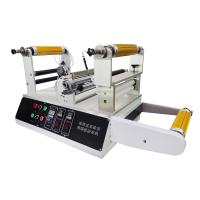

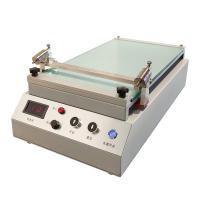
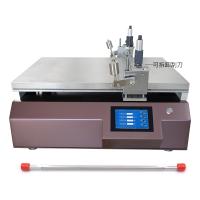

- 1Application of laboratory coater in LED fluorescent film Spreader
- 2Application and selection of laboratory coater in PDMS thin film prepative
- 3Experimental Study on High Viscosity Ultraviolet Resin Coating on Glass Substrate by Small Coater
- 4Application of doctor blade coater in electrode and solid electrolysis preparation
- 5Application case of Bar Coater coating slurry on small workpiece ceramic substrate [Experimental video demonstration]
- 6Experimental application of water-based paints on film laminating paper by laboratory coater
- 7Experimental coater application case video of liquid silica gel on release paper
- 8Laboratory small coater coated with polyester film on ultra-thin PET film [video demonstration]
- 9Application of small coater in gel coating