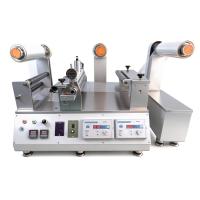
Overview and skills of laboratory roll-to-roll coater technology
introduction
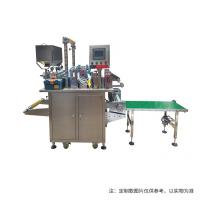
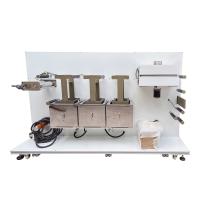
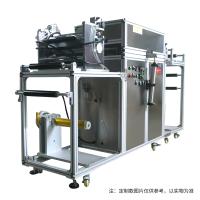
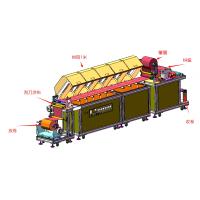
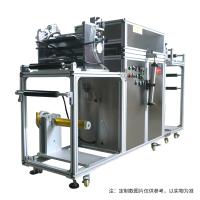
As a key experimental equipment in the fields of materials science, optoelectronics and other fields, the laboratory roll-to-roll coater plays an important role in film preparation, material coating and other aspects. This article will delve into the technical characteristics, application fields, usage techniques and selection points of laboratory roll-to-roll coaters to help scientific researchers better understand and use this equipment.
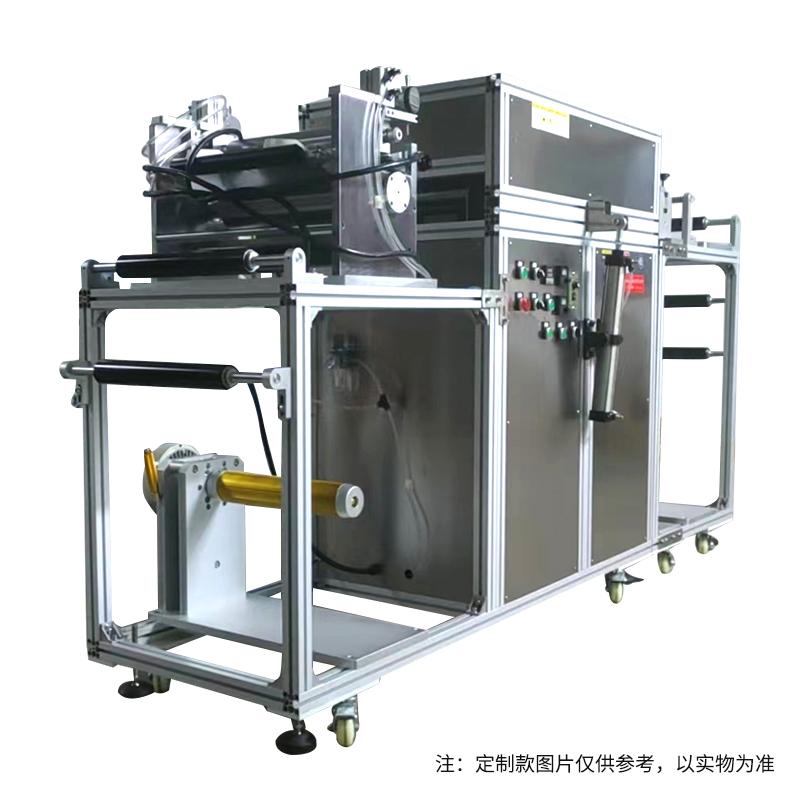
1. Technical characteristics of laboratory roll-to-roll coating machine
Coating method
The laboratory roll-to-roll coating machine adopts the method of roll material and roll coating, and evenly coats the coating material on the roll material through coating devices such as rollers, scrapers, and nozzles. This method is suitable for various roll materials, including paper, film, fabric, etc.
Wide range of materials
Laboratory roll-to-roll coaters are often designed to be flexible and suitable for different types of coating materials. Organic materials, inorganic materials, composite materials, etc. can all be well used in experiments through appropriate adjustments.
Coating uniformity
The design of the roll-to-roll coating machine focuses on coating uniformity. By optimizing key components such as rollers and scrapers, it ensures a uniform coating layer on the entire roll and improves film quality.
Experimental scale is moderate
Compared to industrial-grade roll-to-roll coaters, laboratory-grade equipment is usually smaller and more suitable for small-scale experiments and research work. This design makes it more suitable for laboratory research needs.
2. Application fields of laboratory roll-to-roll coater
Thin film preparation
Laboratory roll-to-roll coaters are widely used in film preparation. Through appropriate coating processes, films with specific properties can be prepared for use in optoelectronic devices, sensors and other fields.
Materials research
In materials science research, laboratory roll-to-roll coaters can be used to modify and coat the surfaces of different materials to study their performance, stability and other characteristics.
Battery preparation
Roll-to-roll coaters have important applications in battery preparation. By uniformly coating the surface of the electrode material, the performance and cycle life of the battery can be improved.
Sensor preparation
Laboratory roll-to-roll coaters are also widely used for sensor preparation. By coating the sensor surface with specific materials, its sensitivity and selectivity to target substances can be improved.
3. Tips for using laboratory roll-to-roll coater
1. Pretreatment of coating materials
Pretreatment of the coating material is a critical step before using a laboratory roll-to-roll coater. Ensure that the purity, viscosity, concentration and other parameters of the coating material meet the experimental requirements to obtain better coating effects.
2. Optimization of coating process parameters
During the experiment, it is necessary to optimize the coating process parameters according to the specific coating materials and experimental purposes, including roller speed, scraper pressure, spray pressure, etc. This helps improve coating uniformity and film quality.
3. Laboratory safety operations
The use of laboratory coaters requires strict compliance with safety operating procedures. Operators need to wear appropriate protective equipment and ensure that the equipment is in good condition to prevent accidents.
4. Experimental recording and data analysis
During the experiment, record the experimental parameters, operating steps and coating results in a timely manner. This helps to better analyze experimental data, optimize the coating process, and improve experimental efficiency.
4. Key points for selecting laboratory roll-to-roll coaters
1) Coating scope and applicable materials
When selecting, you need to consider the research direction and specific needs of the laboratory to ensure that the selected equipment covers the range of coating materials required for the experiment.
2) Coating uniformity requirements
According to the experimental requirements, select a roll-to-roll coater with good coating uniformity. Excellent coating uniformity is a key factor to ensure the accuracy of experimental data.
3) Equipment size and ease of operation
Consider laboratory space constraints and size equipment appropriately. At the same time, the ease of operation of the equipment is also an important selection point to ensure that experimenters can easily master the operation skills.
4) Adjustable parameters and degree of automation
When selecting, you need to pay attention to the adjustable parameter range and degree of automation of the equipment. A wider range of adjustable parameters and highly automated equipment help adapt to different experimental needs and improve experimental efficiency.
in conclusion
Laboratory roll-to-roll coater is an indispensable equipment in laboratory research. Its technical characteristics, application fields, usage skills and selection points all play a vital role in the smooth progress of experimental work. Through in-depth understanding and rational use of roll-to-roll coating machines, scientific researchers can better control and study the material coating process and promote scientific development in related fields.



- 1Application of laboratory coater in LED fluorescent film Spreader
- 2Application and selection of laboratory coater in PDMS thin film prepative
- 3Application of doctor blade coater in electrode and solid electrolysis preparation
- 4Application case of Bar Coater coating slurry on small workpiece ceramic substrate [Experimental video demonstration]
- 5Experimental application of water-based paints on film laminating paper by laboratory coater
- 6Experimental coater application case video of liquid silica gel on release paper
- 7Laboratory small coater coated with polyester film on ultra-thin PET film [video demonstration]
- 8Systematic understanding of coil isolation film coater
- 9Application of small coater in gel coating