Detailed explanation of application and test method of colorants' lightfastness
introduction
As an important part of the pigment industry, colorants play a key role in various coatings, inks and pigment products. However, colorants are often affected by light in practical applications, resulting in color fading and quality degradation, which requires colorants to have good light resistance. This article will delve into the significance, influencing factors, testing methods and improvement strategies of colorant lightfastness, with a view to providing a deeper understanding and technical support for colorant applications in the pigment industry.
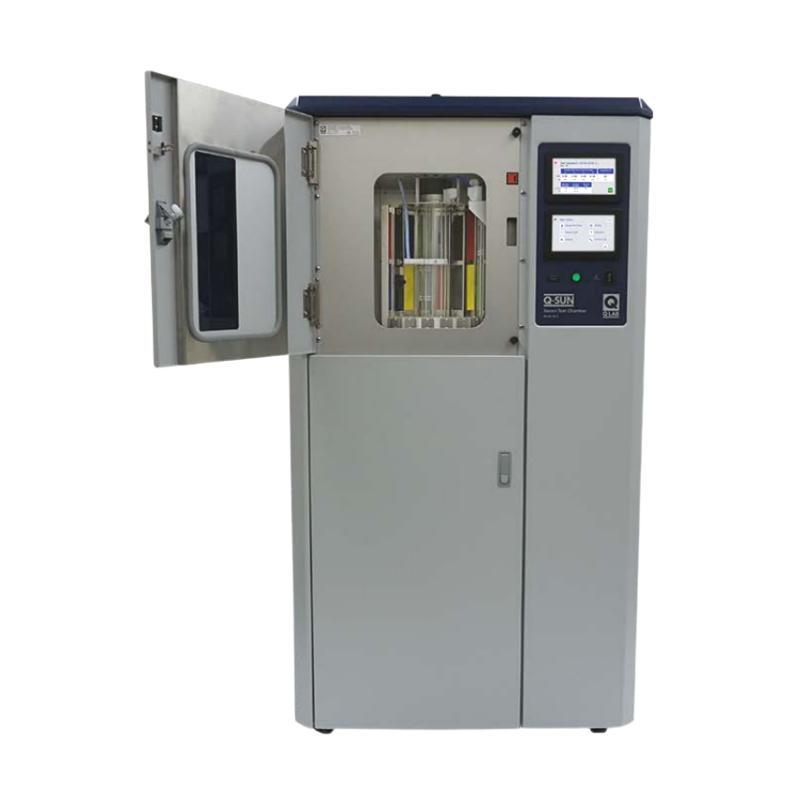
Application of color paste light fastness
The light resistance of color paste refers to the ability of color paste to maintain color stability and quality without being affected by long-term exposure to sunlight or artificial light sources. Color paste is one of the main components of coatings, inks and other products, and its light resistance directly affects the color stability and quality performance of the product. Good color paste light resistance can ensure that the product will not suffer from color fading or quality degradation during long-term use. For consumers, color stability is one of the important indicators for evaluating product quality. If the color of the product changes during use, it will reduce consumer satisfaction and even affect the brand image. Some special fields, such as outdoor advertising, automobile painting, etc., have higher requirements for product color stability. Good color paste light resistance allows the product to be used in a wider range of applications.
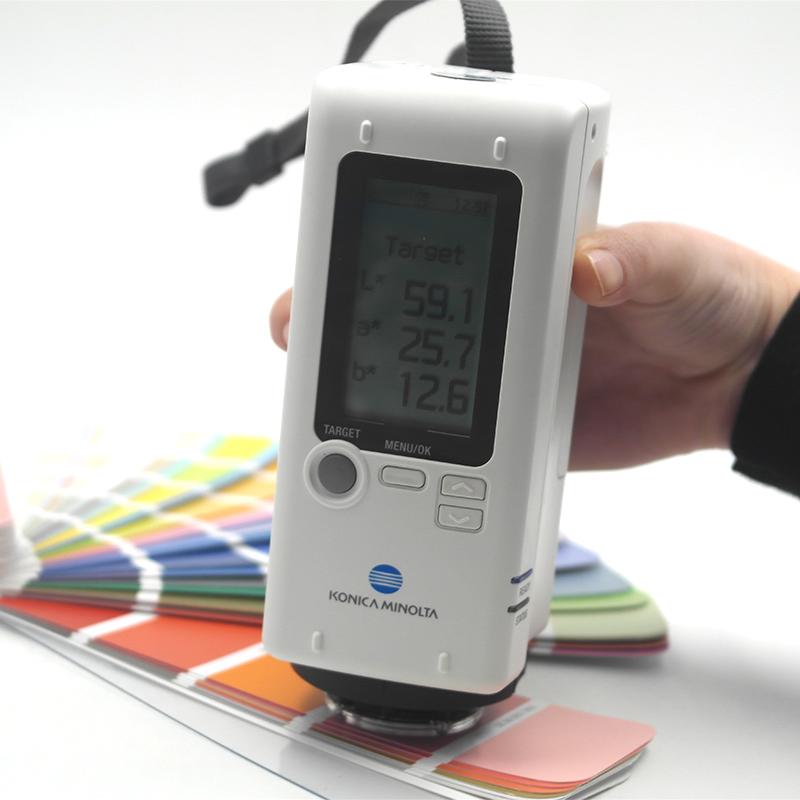
Test method for color paste light fastness
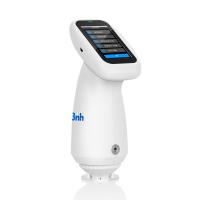
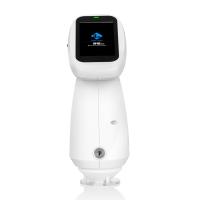
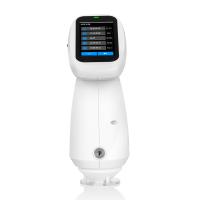
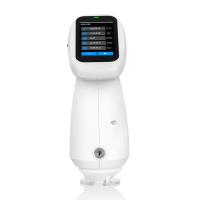
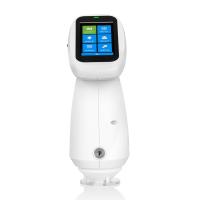
In order to accurately evaluate the light fastness of the color paste, the color paste sample is usually exposed to natural light and the degree of color change is regularly observed to evaluate its light resistance. Use artificial light sources, such as ultraviolet lamps or xenon lamps, to conduct artificial light exposure tests on color paste samples to simulate lighting conditions in different environments. Use a Colorimeter to quantitatively measure the color of color paste samples under different exposure conditions to evaluate their color stability. Conduct chemical analysis on the exposed colorant samples to detect changes in their chemical composition to understand their lightfastness performance.
In order to solve the problem of insufficient light resistance of color paste , pigments, carriers and additives with good light resistance can be selected to optimize the formula of color paste. Control the preparation process parameters to ensure stable quality of the color paste during the preparation process and avoid factors that affect its light resistance. Add special light stabilizers or antioxidants to the color paste to improve its light resistance. Use packaging materials with lower light transmittance to reduce the light exposure of the color paste during storage and transportation.
Conclusion
As one of the important indicators in the pigment industry, the light resistance of color paste is directly related to product quality and customer satisfaction. By in-depth understanding of the significance, influencing factors, testing methods and improvement strategies of color paste lightfastness, we can better deal with problems that may be encountered in the actual application of color pastes and provide more reliable technical support for the development of the pigment industry. In future work, we need to continue to conduct in-depth research and exploration to provide more stable and durable solutions for the light resistance of color pastes and promote the continuous development and progress of the pigment industry.
-
![3NH NH310 powder Colorimeter 8mm/4mm dual aperture, with multi-functional test components]()
-
![3NH/3NH NH300 portable Colorimeter 8mm caliber with multi-function test kit]()
-
![3NH PS2020 Colorimeter φ 4mm caliber]() 3NH PS2020 Colorimeter φ 4mm caliber$ 538.00
3NH PS2020 Colorimeter φ 4mm caliber$ 538.00 -
![3NH PS2080 high-precision Colorimeter with six calibers]()
-
![3NH PS2070 handheld Colorimeter φ 4mm/φ 8mm flat tip four calibers]()
-
![3NH PS2060 handheld Colorimeter φ 4mm/φ 8mm/: 1x3mm three caliber]()
-
![3NH PS2050 plastic Colorimeter φ 4mm/φ 8mm dual diameter]()
-
![3NH PS2040 portable Colorimeter φ 4mm platform and tip diameter]()
-
![3NH PS2030 touch screen Colorimeter φ 8mm platform and tip diameter]()

- 1How to determine pigment lightfastness
- 2How much do you know about Coating colorants performance testing?
- 3Effect of Different Color Pastes on Properties of Fluororesin/Aluminum Infrared Low Emission Coatings
闫晓星 - 《南京林业大学》
- 4What is the method of detecting the light resistance of ink?
- 5Definition and preparation of color paste
吕仕铭 杜长森 周华 - 《《涂料用颜料与填料》》
- 6Light resistance and weather resistance of pigments
吕仕铭 杜长森 周华 - 《《涂料用颜料与填料》》
- 7Frequently Asked Questions in Light Resistance Testing ISO 105 B02 and AATCC 16
- 8Tintered VOC
- 9Environmental performance of colorants