Types and Usage Methods of Coupling Agent for Thickness Gauges
introduction
Thickness gauge is a tool commonly used to measure the thickness of materials and plays an important role in industrial production and quality control. However, when measuring with a Thickness Gauge, couplant is often required to ensure accurate measurement results. Coupling agent can fill the gap between the measuring head and the material being measured, eliminate the air's obstruction to ultrasonic waves, and improve the propagation efficiency of ultrasonic waves, thereby improving measurement precision and accuracy. This article will deeply explore the principles, types, usage, influencing factors and future development trends of Thickness Gauge coupling agents, providing a reference for readers to fully understand this key tool.
Fundamental
The basic principle of coupling agent for Thickness Gauge is to use coupling agent to fill the gap between the measuring head and the material being measured, and effectively transmit the ultrasonic wave to the inside of the material being measured, thereby achieving accurate thickness measurement. Coupling agent can fill the tiny gap between the measuring head and the surface of the material being measured, ensuring that ultrasonic waves can be completely transmitted into the material being measured. Coupling agent can eliminate the air's obstruction to ultrasonic waves, reduce energy loss, and improve the propagation efficiency of ultrasonic waves. Coupling agent can improve the coupling efficiency between the measuring head and the material being measured, ensuring that the ultrasonic wave can accurately penetrate the material being measured and return, thereby achieving accurate measurement.
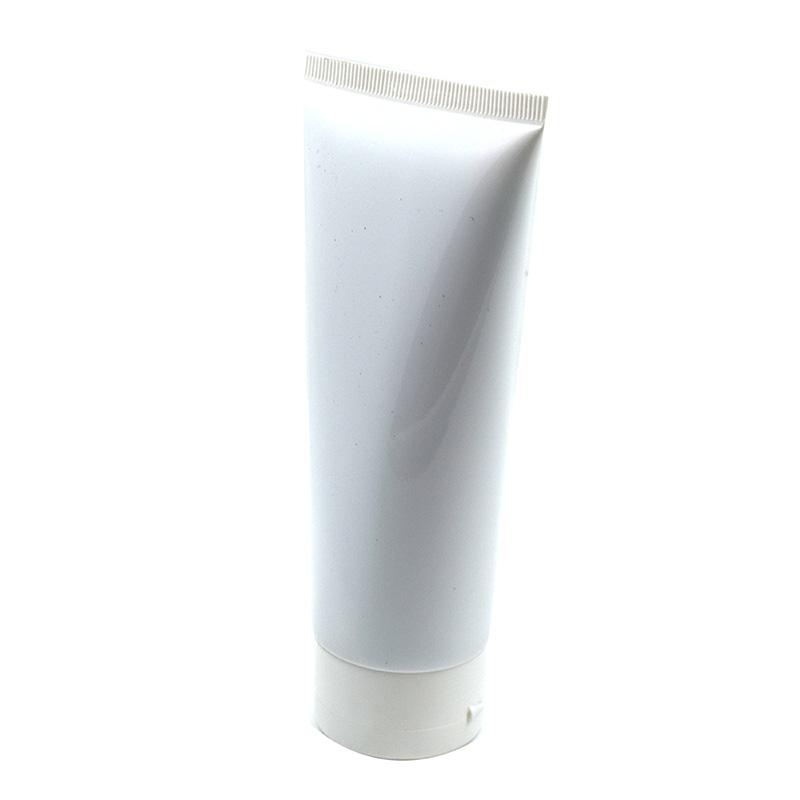
Types of coupling agents for Thickness Gauges
Liquid coupling agent is the most common coupling agent, usually water or water-based liquid, with good conductive properties and coupling effect. Gel coupling agent is viscous and can better adhere to the measuring head and the surface of the material being measured, improving coupling efficiency and measurement accuracy. Solid couplant is usually a solid film or sheet that can be directly attached to the measuring head and the surface of the material being measured, and is suitable for measurement in special environments or materials.
Instructions
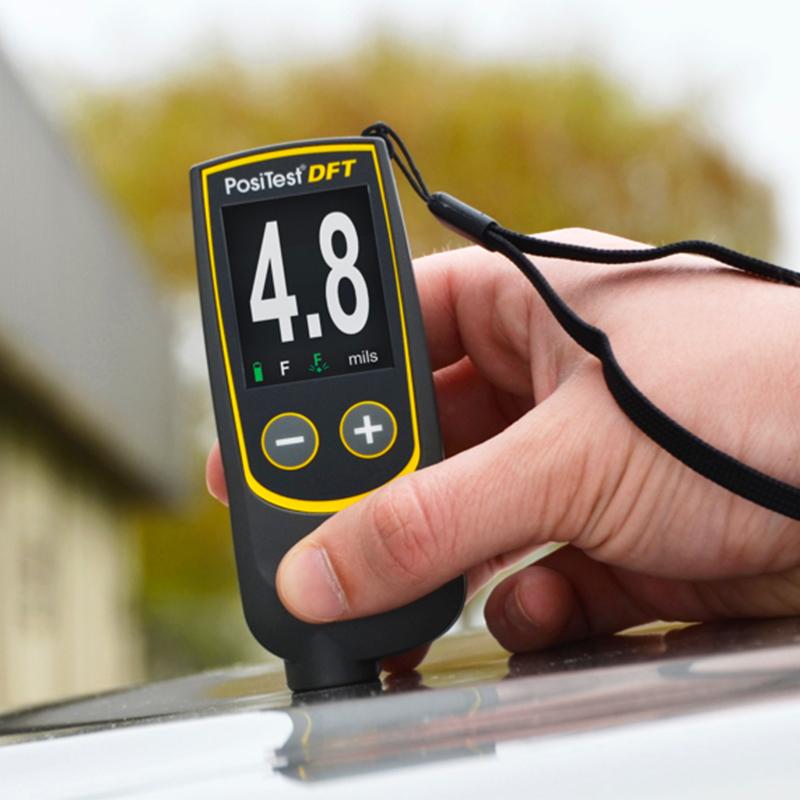
Before measuring, first clean the surface of the material to be measured and the measuring head to ensure that the surface is flat and free of impurities. Apply an appropriate amount of coupling agent to the surface of the measuring head or the surface of the material being measured, ensuring even coverage and avoiding air bubbles and voids. According to the characteristics and measurement requirements of the material being measured, adjust the parameters of the Thickness Gauge, such as frequency, gain, etc. Place the Thickness Gauge on the surface of the material to be measured according to the requirements of the operation manual, start the measurement program, and obtain the measurement results. After the measurement, clean the coupling agent residue on the measuring head and the surface of the material being measured in a timely manner to maintain measurement accuracy and accuracy.
Precautions
The surface roughness, water absorption and other characteristics of different materials will affect the selection and use of coupling agents.
Environmental factors such as temperature and humidity will affect the fluidity and coupling effect of the coupling agent.
The method and technique of applying couplant will affect the uniformity and quality of the couplant.
The quality and purity of the coupling agent directly affect its conductive performance and coupling effect.
Conclusion
Thickness gauge coupling agent, as a key auxiliary tool, plays a vital role in the measurement process. By in-depth understanding of its principles, types, usage, influencing factors and future development trends, we can better understand and apply this key tool to ensure the accuracy and reliability of measurement data. Thickness gauge coupling agent will continue to play an important role in various industries and fields, providing reliable guarantee for quality control and production safety.