Principle and application of polycarbonic acid ester Melt index meter
introduction
Polycarbonate (PC) is an important engineering plastic with excellent physical and chemical properties and is widely used in automobiles, electronics, construction and other fields. In the production and processing of PC plastics, the melt index is one of the important indicators to measure the fluidity and processing performance of plastics. As an instrument specially used to measure the melt fluidity of PC plastics, the polycarbonate Melt Flow Indexer is of great significance for controlling the quality of plastic production, optimizing processing technology, and improving product performance. This article will deeply explore the principles, technical characteristics, application scenarios and future development trends of polycarbonate Melt Flow Indexers, providing a reference for readers to fully understand this key instrument.
Fundamental
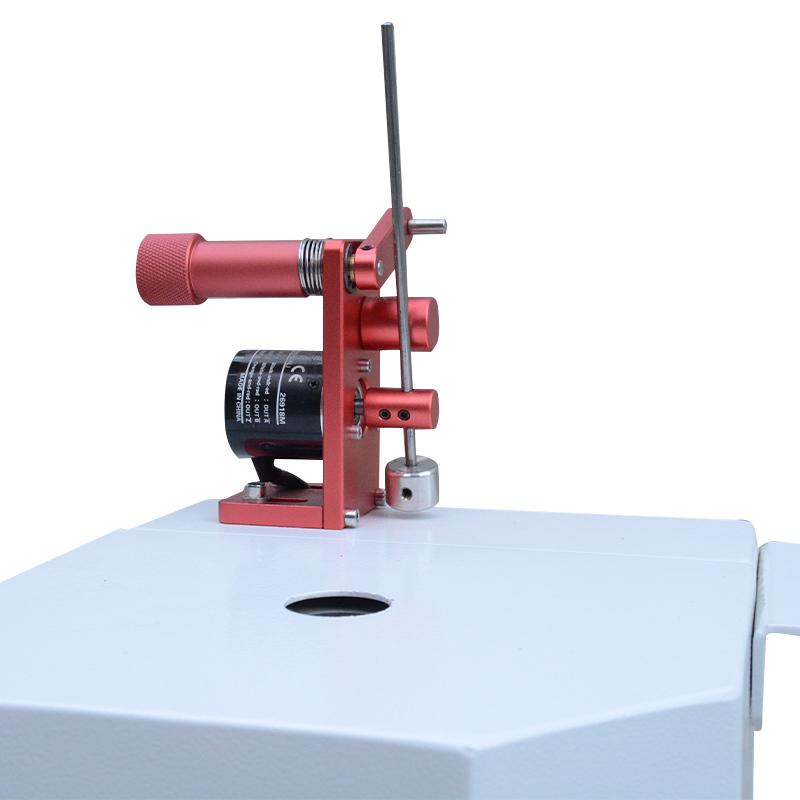
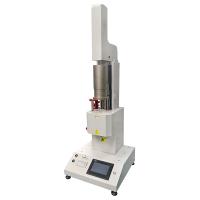
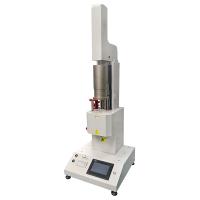
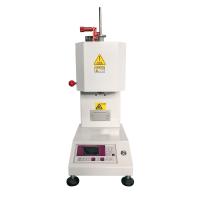
The polycarbonate Melt Flow Indexer is an instrument used to measure the melt flowability of polycarbonate plastic. The polycarbonate sample is melted at a specific temperature and a certain pressure is applied to make it flow through an orifice of a specific size. Measure the mass or volume passed per unit time, reflecting the melt fluidity of the plastic. By controlling the temperature and pressure of the melt index instrument, the experimental conditions are kept consistent to ensure the accuracy and repeatability of the measurement results. Melt Flow Indexers are usually equipped with a data recording and analysis system, which can record measurement data in real time and perform data analysis to generate test reports and curve charts.
The polycarbonate Melt Flow Indexer has a high-precision weighing system and flow meter, which can accurately measure the melt flowability of PC plastic. The Melt Flow Indexer has a wide temperature control range and can adapt to the melting temperature requirements of different PC plastics. Melt Flow Indexers are usually equipped with an automated control system, which can realize operations such as automatic heating, automatic weighing, and automatic pressure control, reducing manual intervention and improving operating efficiency. The Melt Flow Indexer can support a variety of test modes, such as constant pressure method, constant load method, etc., to meet the testing needs of different users. The equipment has a stable structure, is easy to operate, and has good safety performance to ensure the safety of users during operation.
Application scenarios
In the production process of polycarbonate plastics, Melt Flow Indexers are used to monitor the quality of raw materials and production processes to ensure the fluidity and processing performance of the plastics. During the processing of plastic products, the Melt Flow Indexer is used to optimize the injection molding process parameters and improve the molding quality and production efficiency of the product. In the product quality control process, the Melt Flow Indexer is used to detect the fluidity and performance of polycarbonate products to ensure that the product meets the design requirements. In scientific research schools and laboratories, Melt Flow Indexers are used to develop new materials and evaluate the properties of plastic materials.
Future Melt Flow Indexers may integrate more intelligent technologies, such as artificial intelligence and machine learning algorithms, to achieve data analysis and optimal control. Design more functional, more flexible and more diversified Melt Flow Indexers to meet the needs of different users. Future Melt Flow Indexers may use more environmentally friendly materials and technologies to reduce environmental impact. Design a smaller and more portable Melt Flow Indexer to facilitate users to test and apply in different situations.
Conclusion
As an important instrument specially used to measure the melt fluidity of PC plastics, the polycarbonate Melt Flow Indexer has wide application value and development prospects. By in-depth understanding of its principles, technical characteristics, application scenarios and future development trends, we can better understand and apply this key instrument, promote the development and innovation of the plastics industry, and improve product quality and production efficiency.
-
![CHINA NBC-5605 Melt flow rate meter, touch screen Melt Flow Indexer]()
-
![CHINA Melt Flow Indexer RT-MI-CP volume method + mass method]()
-
![SHUCHANG SC-MI-B Melt Flow Indexer 4.3 inch touch screen model]()
-
![SHUCHANG SC-MI-A Melt Flow Indexer]() SHUCHANG SC-MI-A Melt Flow Indexer$ 917.00
SHUCHANG SC-MI-A Melt Flow Indexer$ 917.00 -
![CHINA NBC-R-400 Melt Flow Rate Analyzer, Melt Index Analyzer]()
-
![YOUKE YK3651 Melt Flow Indexer]()
-
![YOUKE YK3651B Automatic Melt Flow Indexer]()
-
![YOUKE YK3651A Melt Flow Indexer]()
-
![YOUKE YK3650A Melt Flow Indexer]()


- 1Melt index meter volume method and mass method
- 2Melt flow performance and processing performance of ABS Resin by Melt index meter
- 3Application of Melt index meter on plastic
- 4Why test the melting properties of plastics?
-
![CHINA NBC-5605 Melt flow rate meter, touch screen Melt Flow Indexer]()
-
![SHUCHANG SC-MI-B Melt Flow Indexer 4.3 inch touch screen model]()
-
![SHUCHANG SC-MI-A Melt Flow Indexer]() SHUCHANG SC-MI-A Melt Flow Indexer$ 917.00
SHUCHANG SC-MI-A Melt Flow Indexer$ 917.00 -
![YOUKE YK3650 Melt Flow Indexer]() YOUKE YK3650 Melt Flow Indexer$ 964.00
YOUKE YK3650 Melt Flow Indexer$ 964.00
