Local corrosion detection method and prevention measures
introduction
In nature, metal is a common material widely used in industry, construction, manufacturing and other fields. However, metal materials often encounter corrosion problems during use, and localized corrosion is one of the common and dangerous forms of corrosion. Localized corrosion does not occur uniformly across the entire metal surface like ordinary corrosion, but occurs in localized areas, but may be more harmful. This article will delve into the principles, influencing factors, detection methods and prevention measures of localized corrosion to help readers better understand and deal with this invisible killer.
Localized corrosion, also known as pitting, pitting or crevice corrosion, is a form of metal corrosion characterized by the formation of localized corrosion spots or pits on the metal surface. Compared with ordinary corrosion, local corrosion has a faster rate but smaller harm scope, but it poses a serious threat to the strength and safety of metal components. Local corrosion occurs because local areas of the metal surface are eroded by the corrosive medium, forming tiny anode and cathode areas, resulting in local electrochemical reactions. In these tiny anodic regions, the metal surface loses electrons and dissolves into ionic form, while in the cathodic region a reduction reaction occurs. This localized electrochemical reaction leads to the formation of localized corrosion on the metal surface.
Detection method
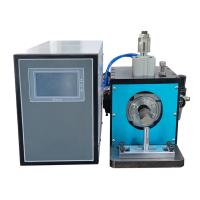
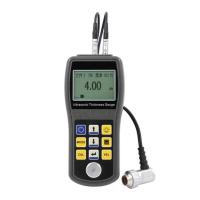
Determine whether local corrosion has occurred by observing with the naked eye whether there are abnormal spots, pits, etc. on the metal surface. Use chemical analysis methods to analyze the corrosion products on the metal surface to determine the type and extent of corrosion. Through electrochemical testing methods, the potential and current density of the metal surface are measured to determine whether local corrosion has occurred. Use non-destructive testing technologies, such as ultrasonic testing, X-ray testing, etc., to detect whether there is local corrosion inside the metal.
Prevention
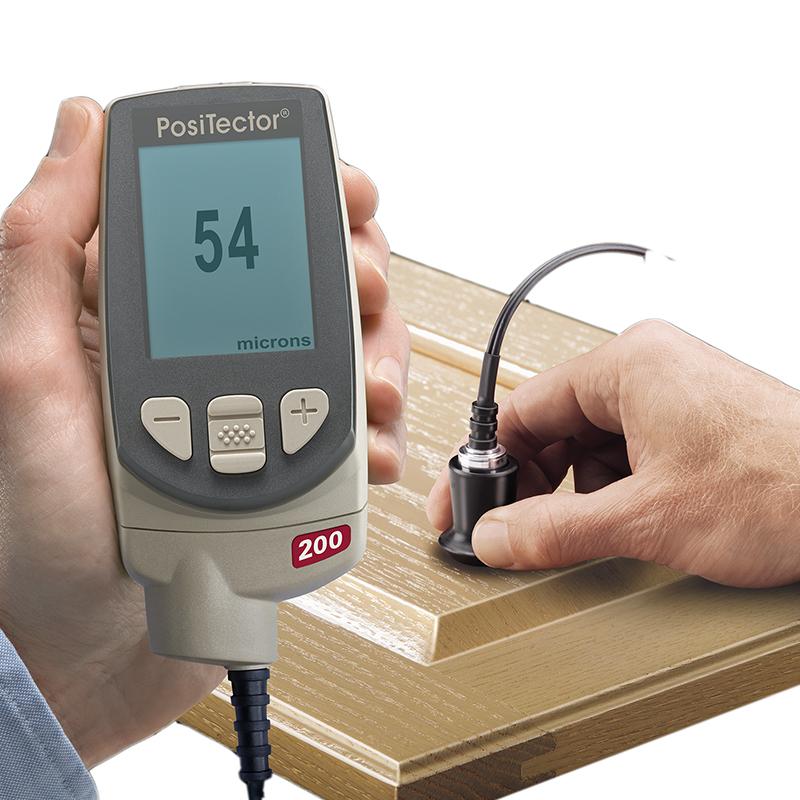
First of all, choosing metal materials with good corrosion resistance can reduce the risk of local corrosion. Apply anti-corrosion coating to the metal surface to reduce the metal surface from being eroded by corrosive media. Cathodic protection technology is used to make the metal surface become a cathode and slow down the occurrence of local corrosion. Optimize the production process, reduce the risk of local corrosion, and improve the corrosion resistance of metal materials. Conclusion
As a special form of metal corrosion, local corrosion has a fast corrosion rate and serious hazards. By in-depth understanding of its principles, influencing factors, detection methods and prevention measures, we can better prevent and respond to local corrosion problems and protect the integrity and safety of metal materials. In future engineering and scientific research, research on local corrosion mechanisms should be further strengthened and more effective prevention and control methods should be explored to provide reliable guarantee for the application and development of metal materials.