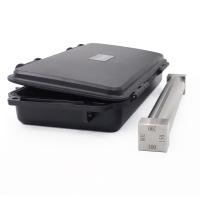
Film Applicator prepative acrylic coatings
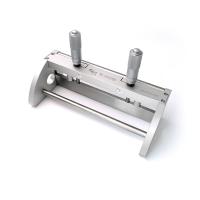
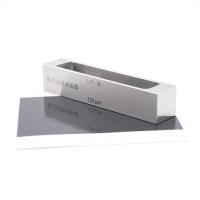
In this article, we will introduce how to use a wet film preparer (Tetrahedral Fabricator) to prepare water-based acrylic paint, which has properties such as low infrared radiation emissivity. With the development of infrared technology, coatings with low infrared radiation emissivity have become a new research field due to their high infrared reflectivity. In this article we focus on the preparation and properties of waterborne acrylic coatings. We wanted to optimize the coating's properties, including infrared radiation properties, gloss, color difference, hardness, adhesion, impact resistance and corrosion resistance, by varying different preparation parameters such as drying time.
Materials and methods
We use water-based acrylic paint as the base material, and add aluminum powder and nano-silica slurry to adjust the performance of the paint. The coating formulation was optimized through an orthogonal experimental design and drying time was studied as a key parameter. We used a wet film preparer to evenly coat the paint on the aluminum substrate and dry it at different drying times. Finally, we perform various performance tests on the coating, including infrared radiation properties, gloss, color difference, hardness, adhesion, impact resistance and corrosion resistance.
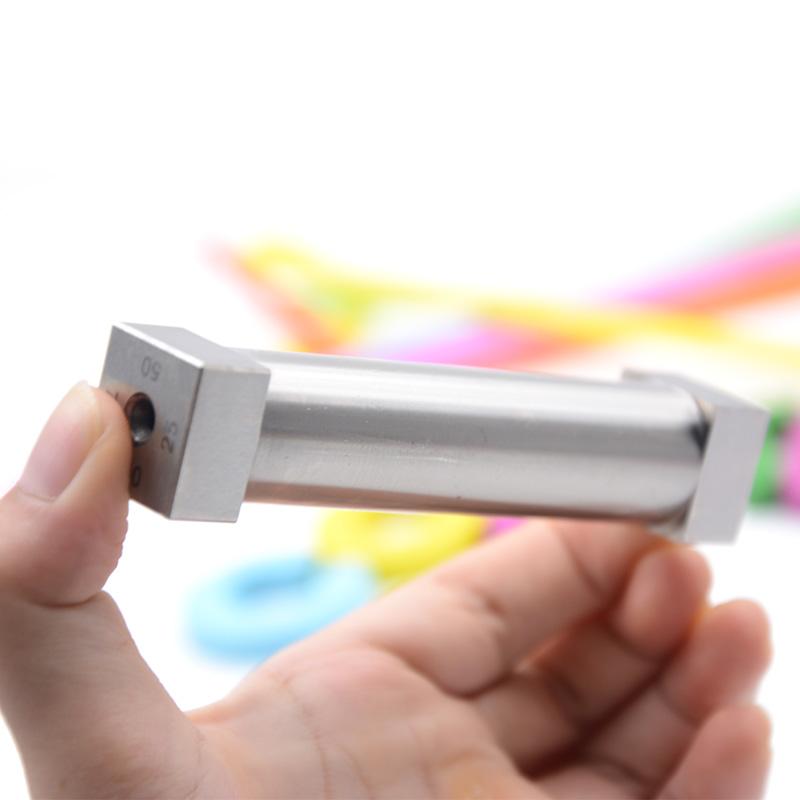
Here are the specific steps for preparing water-based acrylic paint using a wet film prepper:
Prepare the paint recipe:
Prepare a water-based acrylic paint that contains ingredients such as acrylic copolymer, dimethyl sulfoxide ether, and dipropylene glycol butyl ether.
Add aluminum powder and nanosilica slurry to water-based acrylic paint and adjust the formula to obtain the desired performance parameters.
Prepare the substrate:
Use aluminum substrate as the substrate material for the paint. Before use, make sure the surface of the aluminum substrate is clean and free of oil.
Loading the Wet Film Preparator:
Fix the aluminum substrate on the workbench of the wet film preparation machine, making sure the substrate is flat and stable.
Place the appropriate amount of paint on the coating area of ââthe prepulator.
Coating:
Hold both ends of the wet film preparer and move it along the substrate surface at a uniform speed so that the paint is evenly coated on the substrate.
Make sure coating speed and thickness control are in place to achieve the desired coating thickness.
Drying process:
Place the coated substrate at room temperature and allow the coating surface to dry naturally until the surface is dry.
Use a high-temperature air dryer to dry the paint at a set temperature (such as 70°C) for a certain period of time, usually between 0.5 minutes and 10 minutes.
cool down:
Cool the dried coating substrate to room temperature.
Subsequent processing:
The coating is further processed as needed, such as cutting, packaging, etc.
With the above steps, you can prepare water-based acrylic paint using a wet film prepreg and obtain the desired performance parameters.

- 1Principle, Application and Type Selection of Drying Agent Film Applicator
- 2Principle, Application and Selection of Undercoat Film Applicator
- 3Difference Between Applicator Rod and Film Applicator
- 4Mayer Rods VS Film Applicators
- 5Differences Between Different Types of Film Applicators
- 6Several solutions for double coating
- 7GB/T36650 Optical Fiber Coloring Ink Performance Testing Scheme [With Instrument Parameters]
- 8What function types are available for the Nanbei Tide Experimental Small Coater?
- 9What are the models of popular bar applicators?