Introduction of varnish detection method and application
As an important link in the coating process, baking varnish directly affects the surface quality, durability and aesthetics of the painted product. During the painting process, the quality of baking varnish is often affected by many factors, such as material selection, construction technology, environmental conditions, etc. In order to ensure that the coating quality meets the standard requirements, the detection of baking varnish is crucial. This article will deeply explore the principles, methods, significance and application of paint and varnish testing in the coating industry.
How to detect baking paint and varnish
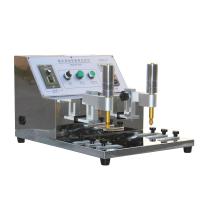
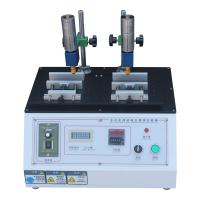
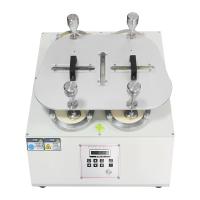
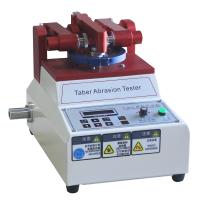
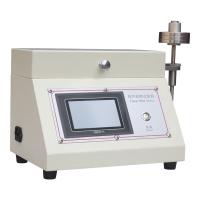
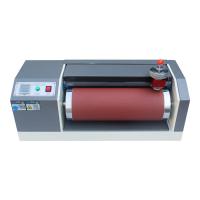
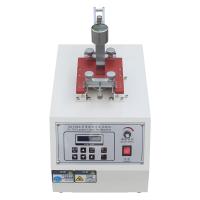
Physical performance testing, including testing of physical properties such as hardness, adhesion, abrasion resistance, and corrosion resistance of varnish, by conducting laboratory tests on the varnish film to evaluate whether its performance indicators meet standard requirements. Hardness testing can be done using a pencil Hardness Tester or Rockwell Hardness Tester, adhesion testing can be done using the crosshatch method or tensile method, and abrasion resistance testing can be done using an abrasion testing machine.
Appearance inspection includes the inspection of the gloss, flatness, color and other appearance characteristics of the varnish, and evaluates the quality and aesthetics of the varnish surface through visual inspection or instrumental measurement. The gloss meter is used to measure the gloss of the varnish, the Colorimeter is used to measure the color of the varnish, and the flatness meter is used to measure the flatness of the varnish surface.
Chemical component testing includes testing of various chemical components in the varnish, such as solid content, volatile organic compounds (VOC), solvent residues, etc., to evaluate whether the component ratio of the varnish meets the requirements. Chemical analysis instruments, such as gas chromatography-mass spectrometry (GC-MS), elemental analyzers, etc., can be used to conduct quantitative or qualitative analysis of the chemical components in the varnish.

The significance and application of paint and varnish testing
Baking paint varnish testing can ensure that the physical properties and appearance quality of the varnish meet the standard requirements, thereby ensuring the quality and durability of the painted product. Regular paint and varnish testing can detect problems in time and make adjustments to avoid production stagnation and losses caused by unqualified coating quality. Through the detection of baking paint varnish, the coating process and material selection can be optimized, the coating cost can be reduced, and the production efficiency and economic benefits can be improved. Testing the chemical components in varnish can evaluate its impact on the environment and human health, ensuring that the varnish meets environmental requirements and protects the environment and human health.
In the automobile manufacturing process, paint and varnish inspection is a key step to ensure the appearance quality and durability of the automobile, which directly affects the automobile brand image and market competitiveness. In the furniture manufacturing process, paint and varnish testing is a key link to ensure the surface quality and durability of furniture, which affects the aesthetics and service life of furniture. In the metal processing process, paint and varnish testing is a key measure to ensure the surface quality and anti-corrosion performance of metal products, which affects the appearance and service life of metal products.
Baking paint and varnish testing is an indispensable part of the coating process. By testing the physical properties, appearance characteristics and chemical composition of the varnish, we can ensure that the coating quality meets the standard requirements and ensure the quality and durability of the painted product. In the coating industry, paint and varnish testing is widely used in automobiles, furniture, metal processing and other fields. It is of great significance to improving product quality, protecting the environment and human health. It is hoped that through the introduction of this article, readers can have a deeper understanding and application of
Use baking paint and varnish detection technology to improve coating quality and production efficiency.
-
![CHINA NBC-339A Rubber alcohol Wear testing machine]()
-
![AISRY NBC-5600 Multifunctional alcohol Wear testing machine Friction resistance testing device]()
-
![China domestic (CN) NBC-101-4Z Martindale Wear resistance tester four stations]()
-
![Swirl/spin Wear Measurement Instrument NBC-Taber5612 Wear resistance Tester]()
-
![CHINA NBC-5613 Linear Wear testing machine abrasion Tester]()
-
![NBC-5611 DIN Wear testing machine]() NBC-5611 DIN Wear testing machine$ 1069.00
NBC-5611 DIN Wear testing machine$ 1069.00 -
![CHINA NBC-7123 IU Leather Wear testing machine Dry and wet friction resistance decolorization Tester]()
-
![US LENETA Form 26-1M Wall Gloss Free Cardboard]()
-
![US LENETA Form 26-2M Wall Gloss Free Cardboard]()