Electronic Balance performance and weighing method
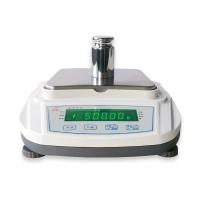
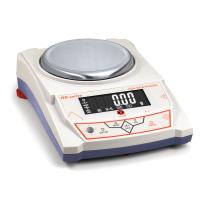
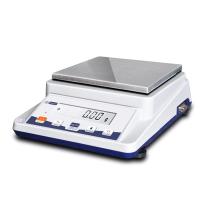
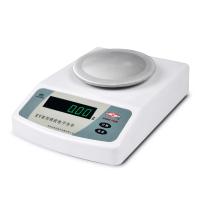
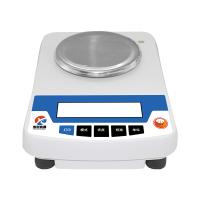
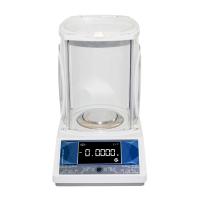
The electronic balance is a very professional analytical balance. The electronic balance has only one weighing pan, and the weighing is simple and fast. The method adopted by the electronic balance is to turn on the balance, adjust to zero, and then put the weighing object in the middle of the weighing pan, and its quality can be displayed directly from the display panel of the balance. By connecting with a printer, the weighing data can also be printed out. Of course, the electronic balance can also interact with the computer for data processing.
Performance and testing of electronic balances
There are three main indicators for measuring electronic balances: sensitivity, variability and accuracy.
Sensitivity is the number of divisions that a 1mg weight causes the pointer to shift on the scale, usually 10 divisions·mg-1. The variability is the continuous determination of zero point 3-5 words, taking the difference between the maximum value and the minimum value, which is usually required to be within 0.1-0.2 mg.
Weighing method of electronic balance
1. Direct weighing method
Some solid samples have no hygroscopicity and are stable in air, so they can be weighed by direct weighing method. When weighing, place the sample in a container that has been weighed (such as a noodle dish or a small beaker), and then weigh it. The difference between the two masses is the mass of the sample. If it is required to weigh a sample of a specified mass, add a weight add the sample with a corner spoon until the balance is balanced.
2. Subtractive weighing method
Some samples are easy to absorb moisture or have unstable properties in the air, and only a certain range of mass is required to be weighed, and the differential weighing method can be used for weighing. First put an appropriate amount of sample into a clean and dry weighing bottle, weigh the mass on the balance as m, and take out the weighing bottle (the weighing bottle and the bottle cap must be covered with clean paper strips, do not use Hold it directly in your hand so as not to change its quality). Tap the upper part of the bottle mouth with the bottle cap, so that the sample slowly falls into the receiving container, as shown in Figure m_38. When the sample poured out is close to the required mass, slowly erect the bottle, touch the mouth of the bottle lightly with the bottle cap a few times, so that the sample stuck to the bottle mouth will fall back into the bottle, close the bottle cap, and put Put the weighing bottle back on the balance, weigh the mass as m2, and the difference between the two masses (m, -m2) is the mass of the poured sample. If the required quality range is not reached, the above operations can be repeated until the requirements are met. But if it exceeds, it should be weighed again. Never pour the sample that has been poured into the container back into the weighing bottle.
The differential weighing method saves time, and it is convenient to continuously weigh several copies of the same sample. Pay attention when weighing: the object to be weighed must not exceed the maximum load capacity of the balance (generally 200g for a double-disc electro-optic balance, 100g for a single-disc electro-optical balance, and 160g for an electronic analytical balance); the sample cannot be placed directly on the weighing pan but should be placed In clean and dry containers (such as watch glasses, small beakers), moisture-absorbing or volatile and corrosive samples should be placed in airtight containers to avoid corrosion of the balance; hot items cannot be weighed.

- 1Proper Use of Electronic Balance
- 2What is the difference between 10,000-level and 100,000-level Electronic Balance?
- 3Correct correction method of thousand electronic precision balance [including video demonstration]
- 4How does the analytical balance work?
- 5Selection scheme of solar cell slurry performance testing instrument
- 6Offset printing ink laboratory performance testing instrument scheme
- 7Method of using electronic balance and its structure
- 8Construction and use of electro-optic analytical balance
- 9How should the calibration weights of precision balances be handled and maintained?