Fineness Detection of Precious Metal Slurry in Microelectronic Technology with Fineness Meter
Precious metal slurries are increasingly used in microelectronics technology, and the detection of their fineness is particularly important. Fineness directly affects the performance and stability of precious metal slurries in microelectronic devices. This article introduces a scraper measurement method for fineness detection of precious metal slurries in microelectronics technology.
Method principle
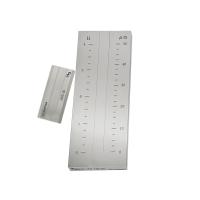
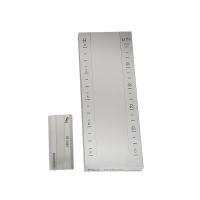
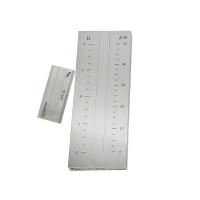
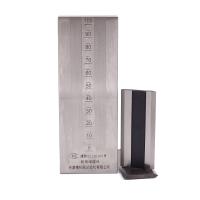
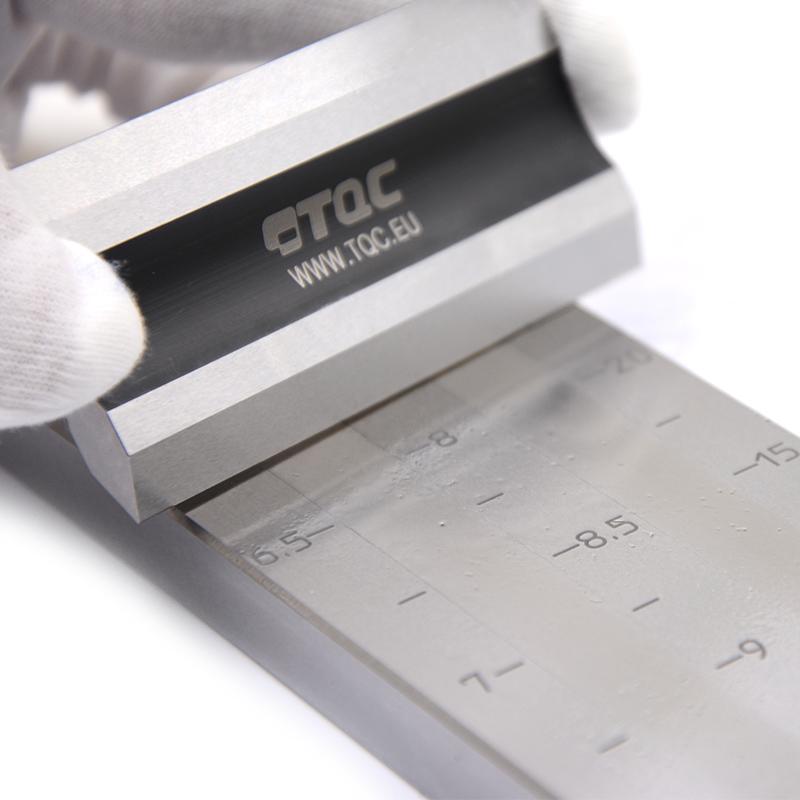
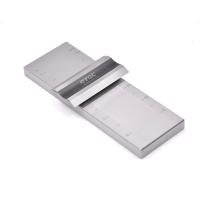
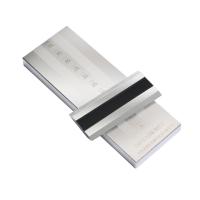
The principle of this method is to place the slurry on the Fineness Meter and then scrape it from top to bottom with a scraper. The size of the particles was determined by visual inspection based on the position in the trough where the longitudinal stripes appeared.
Equipment and Instruments
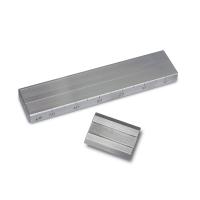
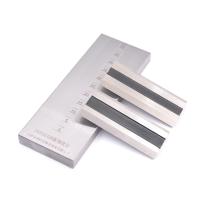
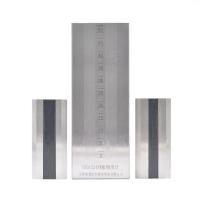
Scraper Fineness Meter: The measurement range is 0 μm~25 μm, the accuracy is 1 μm, and the calibration period is half a year.
Sizing Knife: Stainless steel knife with a thickness of 1 mm and a wooden handle.
Scraper: Used to scrape the slurry from the Fineness Meter.
Sample preparation
Stir the precious metal slurry submitted for inspection evenly to ensure that the sample is well representative.
Determination steps
Preparation environment: Test in an environment with temperature 15°C~35°C, relative humidity 45%75%, and atmospheric pressure 86 kPa106 kPa.
Cleaning preparation: Clean the scraper fineness gauge with the corresponding chemical pure grade cleaning agent.
Place the sample: Place the sample evenly in the deepest groove of the Fineness Meter.
Scrape the slurry: Hold the scraper with both hands at the deepest groove of the Fineness Meter, make the scraper perpendicular to the surface of the Fineness Meter, and scrape the sample across the surface of the Fineness Meter from the deepest groove at a uniform speed. The material fills the groove, leaving no excess sample on the flat plate. The entire operation process is completed within 3 seconds.
Observation record: Within 3 seconds, hold the scraped Fineness Meter horizontally and tilt it so that the line of sight is at an angle of 20°~30° with the groove plane. Observe against the light to find out whether two longitudinal lines begin to appear in the groove. The location of the fringe display and the particle reading are recorded.
Repeated measurement: Use the same operating method to measure no less than 5 samples.
Expression of measurement results
Take the average reading of no less than 5 measurement samples as the measurement result.
If the difference between one reading of no less than 5 test specimens and its average value is greater than 3 times its standard deviation, double specimens should be taken for testing again, and the test steps should be carried out in accordance with the aforementioned regulations.
If the above conditions do not appear in the test readings of the double sample, the abnormal readings can be discarded and the arithmetic mean of all remaining readings can be taken as the test result.
Numerical rounding is performed in accordance with the provisions of GB/T8170, and the test results are taken to two significant figures.
Test Report
After completing the test, a test report should be formed, which includes the following main contents:
Slurry name, brand and specifications;
Sample No;
Slurry batch number;
Test results and seal of the testing department;
This standard number;
Tester and test date.
Through the scraper measurement method, the fineness of precious metal slurries used in microelectronics technology can be effectively tested to ensure that its quality meets relevant requirements, thereby ensuring the performance and reliability of microelectronic devices.
- 1Coating fineness of ground - Fineness gauge
- 2Coating fineness test method and influencing factors
- 3Inks Fineness gauge principle results and usage introduction
- 4Basic Principle and Application Analysis of Coating Fineness Scraper
- 5Coating Fineness Determination and Its Importance
- 6Detection Steps of Coating Fineness and Operation Method of Ground Gauge
- 7Fineness gauge detection principle
- 8How to use Fineness of Ground Gauge to measure colorants?
- 9Frequently Asked Questions about Fineness Plates in 2022