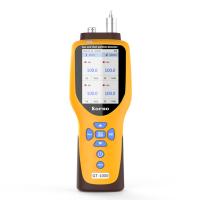
Principle and application of hydrogen sulfide concentration analyzer
Hydrogen sulfide (H2S) is a common toxic gas with a pungent odor and high toxicity. It is mainly produced by the combustion of fossil fuels, chemical reactions during industrial production, and the decomposition of organic matter. Because hydrogen sulfide has a rotten egg smell, it can be perceived by humans even at low concentrations. High concentrations of hydrogen sulfide cause serious harm to human health and the environment, so real-time monitoring of hydrogen sulfide concentration in the air is crucial. The hydrogen sulfide concentration analyzer, as an instrument specially used to detect the concentration of hydrogen sulfide in the air, has important applications in all walks of life. This article will deeply explore the principles, applications, advantages and future development directions of hydrogen sulfide concentration analyzers.
working principle
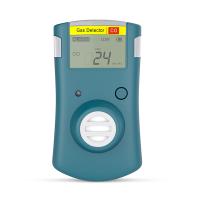
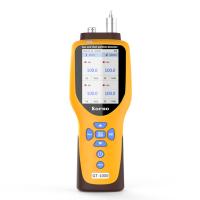
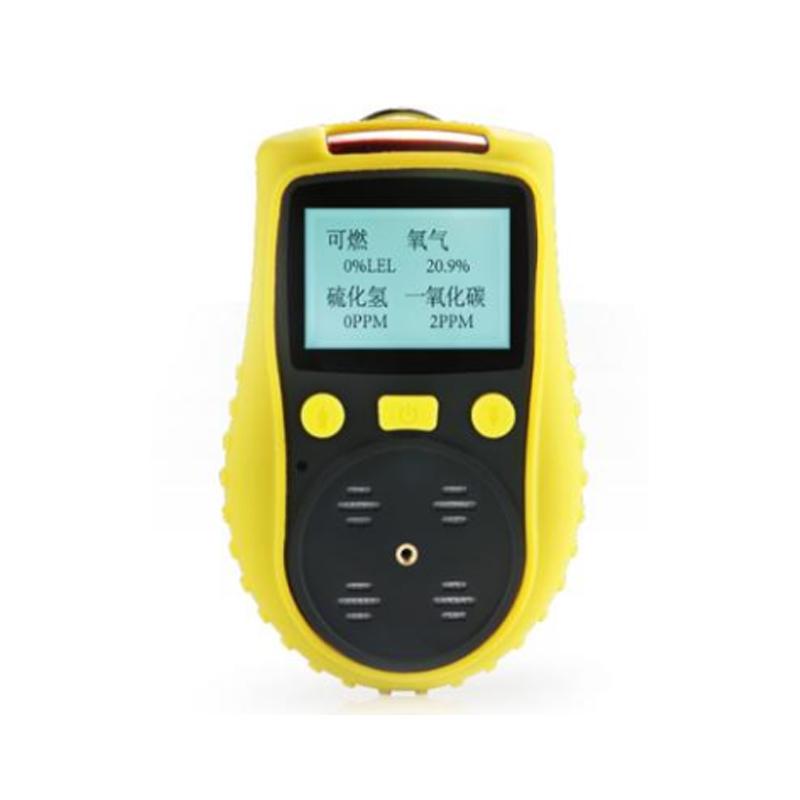
The hydrogen sulfide concentration analyzer mainly detects the concentration of hydrogen sulfide in the air through technologies such as chemical sensors, optical sensors or electrochemical sensors. Its working principle mainly includes the following steps: 1. Sample collection. Samples containing hydrogen sulfide in the air are collected into the sensor component of the analyzer. 2. Sensor detection: The sensor uses chemical, optical or electrochemical principles to detect hydrogen sulfide in the sample and generate corresponding signals. 3. Signal conversion, the signal generated by the sensor is converted into a digital signal or an analog signal for data processing and analysis. 4. Data processing. The processing unit inside the analyzer processes and analyzes the signals detected by the sensor to calculate the concentration of hydrogen sulfide in the sample. 5. The results show that the final measured hydrogen sulfide concentration value will be displayed on the screen of the instrument, or output to the computer through the data interface for further analysis and recording.
Application areas
Hydrogen sulfide concentration analyzers are widely used in various fields and are used in factories, chemical plants, mines and other industrial places to monitor the concentration of hydrogen sulfide in the air in real time to ensure worker safety. It is used by environmental protection departments to monitor and control hydrogen sulfide pollution in the air and protect the atmospheric environment. It is used to monitor air quality in hospitals, laboratories and other places to protect the health of medical staff and researchers. It is used in food processing, pharmaceutical and other industries to monitor the concentration of hydrogen sulfide in the air during the production process to ensure product quality.
With the continuous development of science and technology and the increasing demand for applications, hydrogen sulfide concentration analyzers will continue to be optimized and improved. In the future, hydrogen sulfide concentration analyzers will be more intelligent, equipped with more automation functions and human-computer interaction interfaces, improving user experience and operational convenience. With multi-functionality, the instrument will have more testing functions. It can not only measure the concentration of hydrogen sulfide, but also the concentration of other toxic gases, improving the diversity and applicability of the instrument. With portability, the instrument will be lighter and more compact, easy to carry and use, and suitable for various occasions and environments. Precision, the instrument will further improve measurement accuracy and stability, and use more advanced sensors and algorithms to ensure the accuracy and reliability of test results.
Conclusion
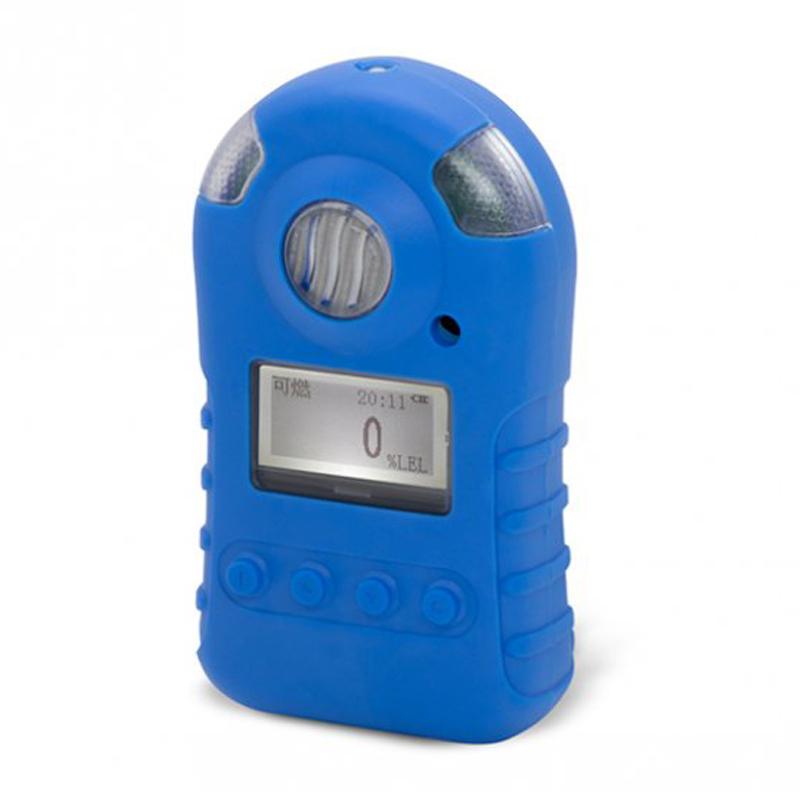
As an important safety monitoring instrument, hydrogen sulfide concentration analyzer is used in all walks of life.
It has broad application prospects. It provides reliable technical support for industrial safety, environmental monitoring, health care and other fields by quickly and accurately measuring hydrogen sulfide concentration in the air. With the continuous development of science and technology and the increasing market demand, hydrogen sulfide concentration analyzers will continue to be optimized and improved, making greater contributions to the progress and development of human society.