Application and classification of lame plating technology
A sprayer is a device that uses atomization technology for coating, converting the coating liquid into mist and spraying it evenly onto the target surface. Due to their complex and diverse designs, spray coating machines are widely used in various fields, covering multiple application scenarios from thin film coating to flat panels, such as transparent conductive films for touch panels, solar cell components, and semiconductor photoresists.
Spraying machines can be divided into three categories: gas spraying systems, ultrasonic spraying systems and electrostatic spraying systems according to different spraying methods. Gas spray systems use compressed air to atomize the coating liquid and spray it onto the target surface. Although this method may result in more material loss, through complex and diverse designs, such as nozzle optimization and high-speed spray technology, uniform coating of different surfaces can be achieved. The ultrasonic spraying system uses ultrasonic vibration to make the coating liquid cover the chip at the end of the nozzle and generate a uniform fine mist, which is suitable for coating in limited areas. The electrostatic spraying system charges the coating liquid by applying static electricity and converts it into a fine mist, which is then deposited on the target surface through electrostatic attraction, effectively improving paint utilization.
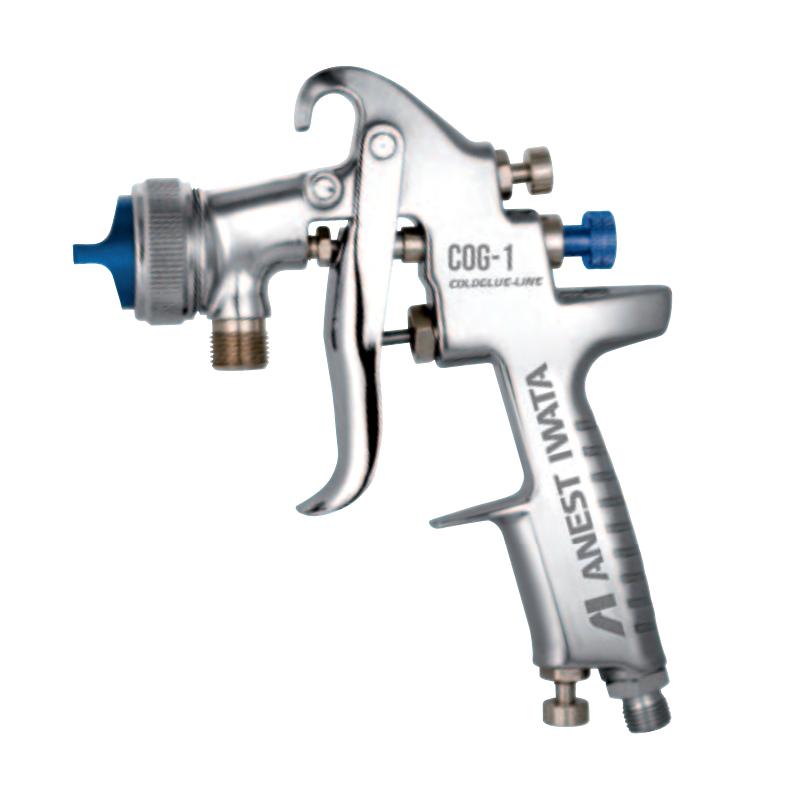
These spray coating systems are widely used in areas such as insulating and conductive films for electronic components, semiconductor photoresists, hard coatings, and anti-glare, hydrophobic and oleophobic coatings. Their different characteristics and advantages allow users to choose the appropriate spraying solution according to their needs, thereby improving coating efficiency and reducing material costs.
- 1Three Methods of Preparative Unsupported Adhesive Film on Plastic Plate
- 2Selection and use skills of thermosetting material coater
- 3Types of Spray Guns commonly used
- 4How to properly operate and maintain the Spray Gun?
- 5Why does the coating have orange peel defects? How to solve sagging and leakage?
- 6What are the tips to prevent sand inclusion and dry spray of paint film?
- 7The relationship between Spray Gun caliber, paint viscosity and coating type of electric airless sprayer
- 8Spraying of power tools - Spray Guns
- 9Several solutions for double coating