Principle and Application Analysis of Silver Plating Thickness Gauge
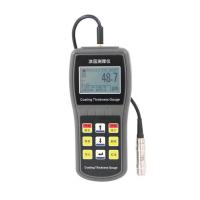
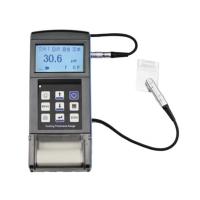
In the fields of electronics, electrical appliances, optics and other fields, silver coating is widely used to improve the conductivity, reflectivity and appearance texture of products. Ensuring that the thickness of the silver coating meets the requirements has an important impact on the performance and quality of the product. As a device specially used to measure the thickness of silver plating, the silver plating Thickness Gauge plays a vital role. This article will deeply explore the principles, applications and future development trends of silver plating Thickness Gauges.
Principle analysis
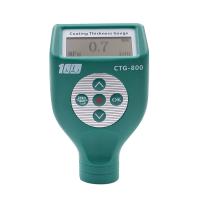
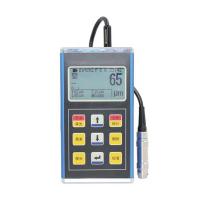
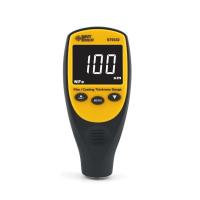
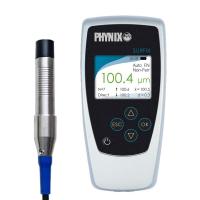
The silver coating Thickness Gauge is an instrument that uses a non-contact measurement principle. The main principle is to irradiate the sample surface with rays or X-rays, and then measure the energy of the scattered rays or X-rays to calculate the thickness of the silver coating. Its basic components include ray emission source, Detector, signal processing system and display screen. By controlling the energy of the ray and the signal received by the Detector, the thickness of the silver coating can be accurately measured.
Application areas
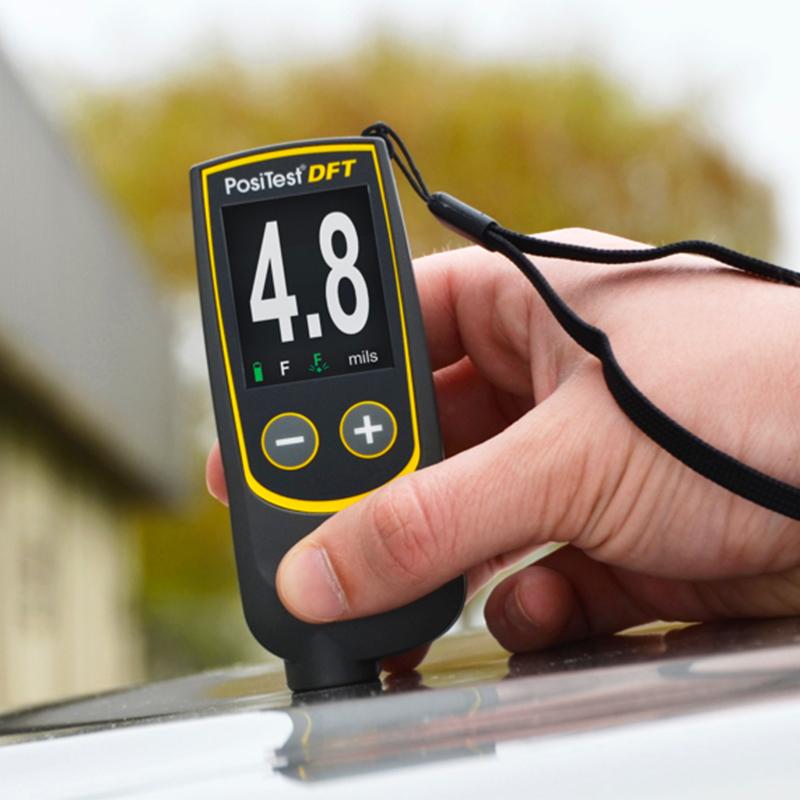
Silver plating Thickness Gauges are widely used in electronics, electrical appliances, optics and other fields. First of all, in the electronics industry, silver plating Thickness Gauges are often used in the production of semiconductor devices, circuit boards, connectors and other electronic components to measure the thickness of silver plating to ensure product performance and quality. Secondly, in the field of electrical appliance manufacturing, silver plating Thickness Gauges are often used in the production of wires, cables, electrical connectors and other products to measure the thickness of silver plating to ensure the conductive performance and appearance quality of the product. In addition, in the field of optics, silver coating Thickness Gauges are also widely used in the production of lenses, reflectors, optical films and other products to measure the thickness of silver coatings and ensure the reflective and optical properties of the products.
With the continuous advancement of science and technology, silver-plated Thickness Gauges are also constantly undergoing technological innovation and improvement. In the future, with the development of X-ray technology, Detector technology and other fields, silver-plated Thickness Gauges will become more and more sophisticated and intelligent. By using advanced Detector technology and data processing algorithms, rapid and accurate measurement of silver coating thickness can be achieved, improving measurement accuracy and stability. In addition, with the development of intelligent manufacturing technology, silver-plated Thickness Gauges will also achieve a higher level of automation and intelligence. By using advanced control systems and remote monitoring technology, remote control and data management of the measurement process can be achieved, improving production efficiency and quality control levels.
Conclusion
As an important equipment for measuring the thickness of silver coating, the silver plating Thickness Gauge plays an irreplaceable role in the fields of electronics, electrical appliances, optics and other fields. By in-depth understanding of its principles, strengthening technological innovation, and continuously improving measurement accuracy and intelligence level, we can better meet the needs of industrial production for silver coating thickness measurement and promote the development and progress of related industries. It is believed that in the near future, with the continuous advancement of science and technology, silver-plated Thickness Gauges will play a more important role in the fields of industrial production and quality control, contributing to the promotion of industrial development and technological innovation.