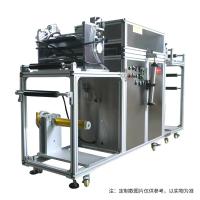
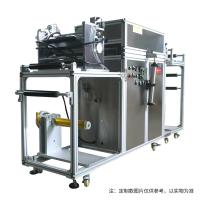
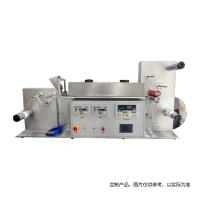
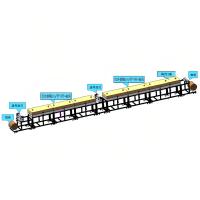
Application of coater in preparation of polyvinyl alcohol interlayer film
Summary
The coating machine is a key production equipment and is widely used in coating processes in various industries. This article will delve into the technical application of coaters in the preparation of polyvinyl alcohol interlayer films. By introducing in detail the characteristics of the polyvinyl alcohol interlayer film, the working principle of the coating machine, and the technical parameters, this article aims to provide in-depth technical guidance for related industries to optimize the production process and improve product quality.
introduction
Polyvinyl Alcohol (PVA) laminated film is a functional film material widely used in various industries. Its excellent water resistance, degradability, transparency and other properties have found wide applications in packaging, medical, construction and other fields. In order to meet the needs of different industries, it is crucial to produce high-quality PVA laminated films. As a key equipment in the coating process, the coating machine plays a vital role in the preparation of PVA interlayer films.
Characteristics of PVA laminated film
1. Water resistance
PVA laminated film has excellent water resistance, making it an excellent material in the packaging industry. During the preparation process, it is necessary to ensure that the interlayer film is evenly coated and firmly attached to enhance its water resistance.
2. Degradability
PVA is a degradable material and environmentally friendly. The coating machine should ensure that the degradation performance of the interlayer film is not damaged during the coating process to meet the requirements of sustainable development.
3. Transparency
PVA laminated film has good transparency, which makes it widely used in the packaging and printing industries. During the coating process, it is necessary to ensure that the surface of the interlayer film is smooth and clear to ensure excellent transparency.
Working principle of coating machine
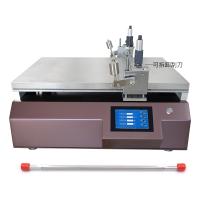
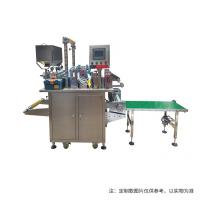
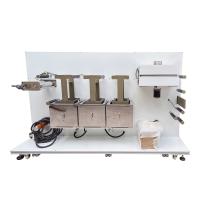
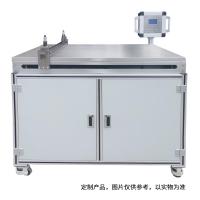
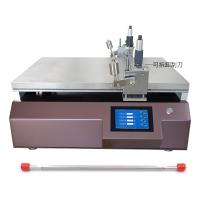
A coater is a device that evenly coats liquid, slurry or powder materials on the surface of a substrate through coating technology. The working principle of the coating machine mainly includes the following steps:
1. Supply of coating materials
The coating machine supplies coating material to the coating head through a supply system. In the preparation of PVA interlayer films, the coating material is usually specially treated PVA liquid.
2. Coating head adjustment
Adjustment of the coating head is a key step to ensure coating uniformity. Adjust the coating width and thickness of the coating head to meet specific production requirements.
3. Substrate transfer
The substrate is fed into the coating area via a conveyor system, ready to receive the coating material.
4. Coating process
During the coating process, the coating machine spreads the coating material evenly on the surface of the substrate. For PVA interlayer film, this ensures the uniformity, adhesion and transparency of the interlayer film.
5. Drying and solidification
After the coating is completed, the substrate passes through the drying system to quickly solidify the coating material to ensure the quality and performance of the interlayer film.
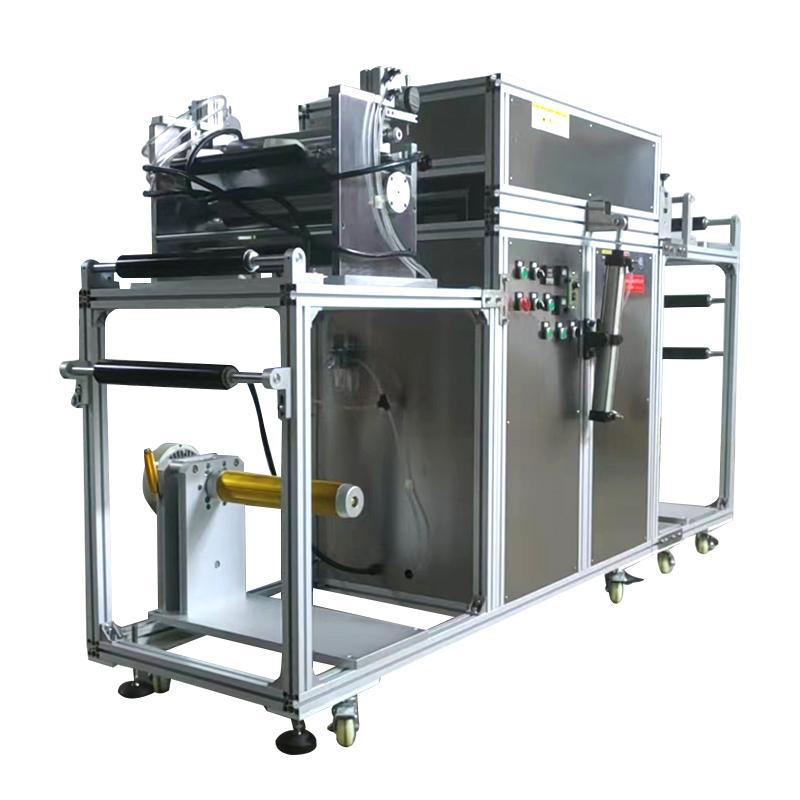
Technical application of coating machine in the preparation of PVA interlayer film
1. Coating uniformity control
The coating machine ensures the uniformity of PVA interlayer film coating by adjusting parameters such as the width, pressure and speed of the coating head. Uniform coating can improve the transparency and adhesion of the interlayer film and enhance its application performance in the packaging and printing industries.
2. Temperature control
The temperature control system of the coating machine is crucial to the preparation of PVA interlayer films. By precisely controlling the temperature of the coating material, its fluidity and curing effect during the coating process can be ensured, thereby improving the quality of the interlayer film.
3. Automation control system
Modern coating machines are often equipped with advanced automated control systems that monitor parameters during the coating process in real time through sensors and feedback mechanisms. This helps to adjust the working status of the coating machine in time to ensure the consistency and stability of the interlayer film.
4. Adjustable coating thickness
Coating machines usually have an adjustable coating thickness function, which makes the production process more flexible. In the preparation of PVA interlayer film, the coating thickness can be adjusted according to different application requirements to meet the performance requirements of interlayer films in different industries.
in conclusion
Coating machines play a vital role in the preparation of PVA laminated films. Through precise coating control and advanced technology application, the coating machine can ensure that the PVA interlayer film has excellent water resistance, degradability and transparency. With the continuous development of science and technology, the technical application of coating machines in the preparation of interlayer films will continue to innovate, providing more efficient and reliable production solutions for related industries. In the future, the development of coating technology and coating machines will provide more possibilities for the wide application of PVA interlayer films.

- 1Application and selection of laboratory coater in PDMS thin film prepative
- 2Application of doctor blade coater in electrode and solid electrolysis preparation
- 3Application case of Bar Coater coating slurry on small workpiece ceramic substrate [Experimental video demonstration]
- 4Laboratory Technology and Application of Polyvinyl Alcohol Film Coating on Ultrafiltration Membrane
- 5Several Common Experimental Spreader Methods and Their Applications
- 6Application of laboratory coater coating aluminum oxide paste on PET film
- 7Experimental test of performance of epoxy resin film coated on metal iron plate by small coater
- 8Method and application of experimental coater coating water-based slurry on aluminum foil
- 9Application of wire rod coater in hydrogen battery separator prepative