Two Methods of Preparative Anti-oxidation polymer Encasement Film
Maintaining food quality is critical to consumer satisfaction, and the taste, appearance and aroma of food are often key factors influencing consumer acceptability. However, ingredients in food are susceptible to oxidation reactions, including proteins and lipids, which may lead to a decrease in food quality. Oxidation of protein will reduce the taste of meat products, while oxidation of lipids is one of the main causes of food spoilage, especially for foods with high lipid content. Therefore, developing packaging materials with antioxidant properties is crucial to maintain the freshness and quality of food.
Strategies for incorporating antioxidants into polymer films
The incorporation of antioxidants into polymer packaging films can be achieved through physical or chemical means. Each of these methods has advantages and disadvantages, but has been successfully used to prepare antioxidant active food packaging films.
1. Physical means
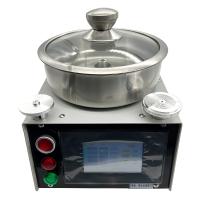
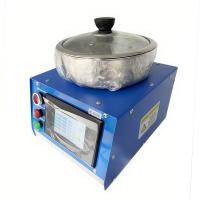
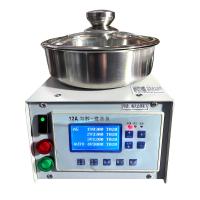
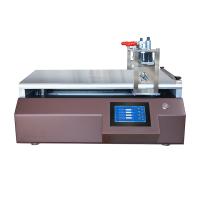
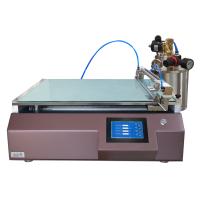
Most studies reported that mixing antioxidants with the film-forming solution before polymer film generation is a common approach. This method is compatible with a variety of film production technologies, from solution casting to melt extrusion, making it extremely flexible. Loading antioxidants into the film-forming solution simplifies the preparation process and can be accomplished in a single step. However, since antioxidants are present inside the film, they may not be able to effectively combat lipid free radicals when foods are under oxidative stress, thus affecting their antioxidant activity. In order to solve this problem, some researchers have proposed the method of coating an active layer on the surface of the film. This method has proven effective in biomedical applications and could also be adapted for the preparation of food packaging films. Some scholars use automatic Film Applicators to coat cellulose acetate (CA) or acrylic component/hydrophobic modified starch (AC/S) on corona-treated oriented polypropylene film (OPP). Use clove essential oil (CL) or eugenol (EU) as antioxidants. The coating film has been shown to be effective in slowing down the rate of lipid oxidation and enhancing the red color stability of steak during storage. Antioxidants in films prepared by physical means are mainly present on the surface and may therefore be more easily released into food.

2. Chemical means
Chemical methods involve the covalent attachment of compounds with antioxidant properties into polymer films. First, an enzymatic transesterification reaction is carried out, so that the primary hydroxyl group of tyrosol or hydroxytyrosol is regioselectively acylated by methyl acrylate under the action of Candida antarctic lipase B, and then the polymerized product (i.e., tyrosine acrylate and hydroxyl group Tyrosine)acrylate) produces poly(tyrosine acrylate) (PTA) and poly(hydroxytyrosine acrylate) (PHTA). Finally, spin coating technology was used to generate thin films using acetone solutions of PTA and PHTA.
An advantage of this approach is that it effectively reduces the migration of antioxidants from the packaging film into the food. Fixing antioxidants by chemical means can improve the storage stability of the film and has less impact on the physical and chemical properties of the film. However, chemical methods may require more labor and time, and may require the use of organic solvents whose chemical residues may pose safety concerns.
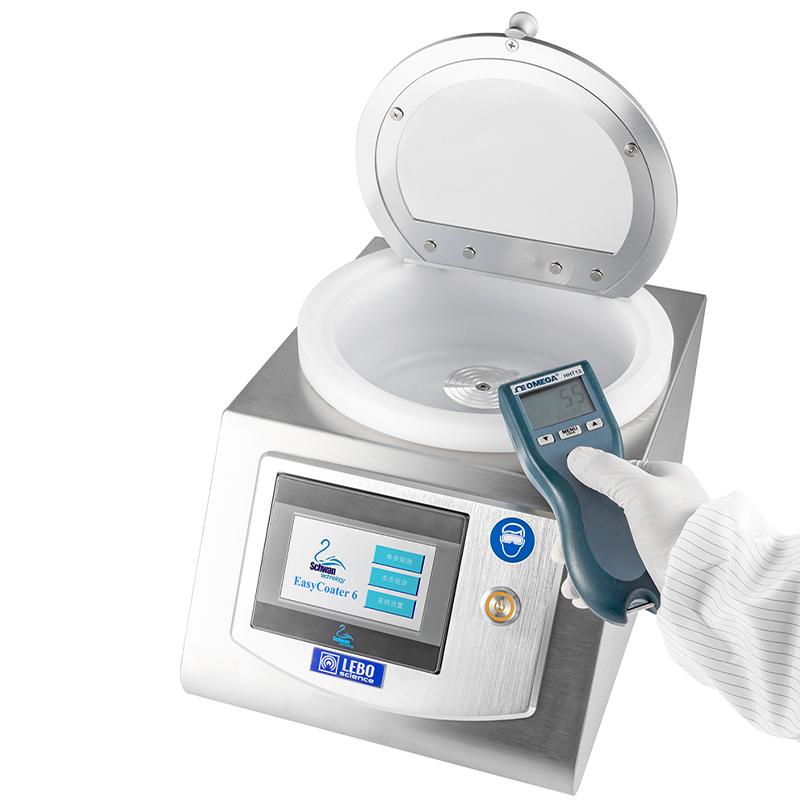
Implementation of physical means
To achieve loading of antioxidants into polymer films, some studies have adopted the supercritical solvent impregnation (SSI) method. Through the SSI process, using supercritical carbon dioxide as a solvent, the active agent can be easily impregnated into the polymer matrix of the packaging film under mild conditions. SSI eliminates some of the disadvantages associated with traditional solution casting, such as uneven distribution of active ingredients in the prepared films and evaporation of active ingredients during film production. This approach has proven successful in making antioxidant packaging films.
Implementation of chemical means
Implementation of chemical methods involves pretreating the film surface to introduce reactive groups and then covalently attaching functional compounds with antioxidant properties to these groups. An advantage of this approach is that the release of antioxidants can be better controlled, thereby improving the antioxidant properties of the film. While this method may require more steps and resources, it can provide longer-lasting and stable antioxidant effects.
in conclusion
The design and preparation of polymer packaging films with antioxidant properties is one of the important strategies to maintain food quality and extend shelf life. Both physical and chemical methods have proven effective, but each has its own pros and cons. Future research should focus on how to further improve these methods to achieve more efficient and stable antioxidant properties and successfully translate them into commercial applications.




- 1Application of Spin Coater in preparation of Bi1.5MgNb1.5O7 film
- 2Automatic Film Applicator and spin coating spin coater: Key technologies and applications in industrial production
- 3Comparison of advantages and disadvantages of preparing large area perovskite films by doctor blade Spreader method and spin coating method
- 4Three Methods of Preparative Unsupported Adhesive Film on Plastic Plate
- 5Five different methods of prepative inks
- 6Working principle and application of spin coater
- 7Common Problems and Maintenance Measures of Spin Coater of Gluer
- 8Three small suggestions for improving the effect of spin coating
- 9Detailed operation steps schematic diagram of the glue leveler