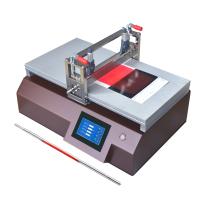
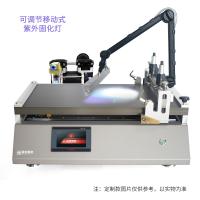
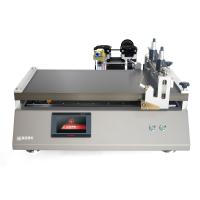
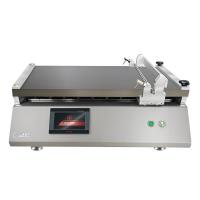
Analysis and Application of Small Vacuum Silicone Oil Film Applicator
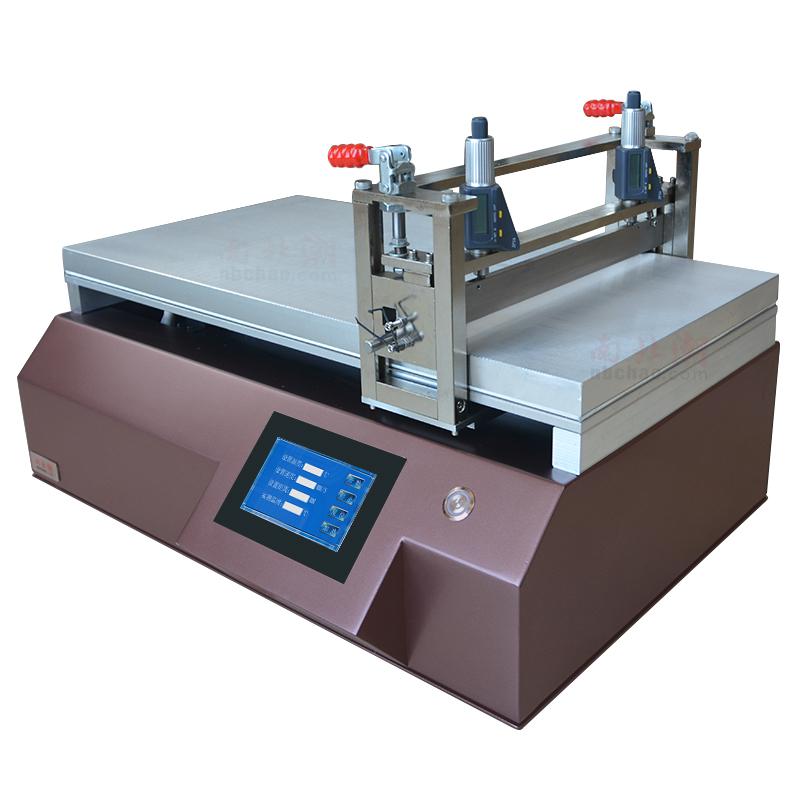
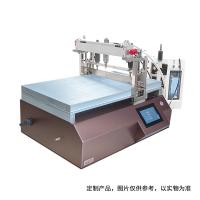
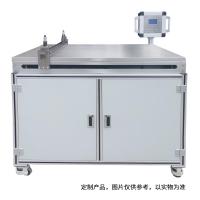
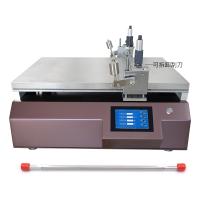
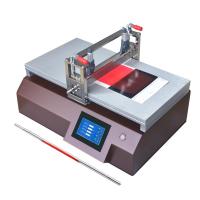
With the rapid development of science and technology, the demand for surface coating technology in all walks of life is also increasing. Surface coatings can not only provide aesthetics, but more importantly, can improve the performance of the material and enhance its wear resistance, corrosion resistance, high temperature resistance and other characteristics. In practical applications, coating technology not only requires the coating to be uniform and dense, but also needs to consider the adhesion and durability of the coating. The small vacuum silicone oil coating machine is one of the important equipment that can meet these needs.
This article will conduct an in-depth analysis and discussion of small vacuum silicone oil coating machines from the aspects of technical principles, application scenarios, and selection suggestions, aiming to provide a comprehensive reference for researchers and engineers in related industries.
1. Technical principles
The working principle of the small vacuum silicone oil coating machine mainly involves two key steps: vacuum evaporation and coating formation. This will be elaborated on below:
1.1 Vacuum evaporation
During the vacuum evaporation process, silicone oil is placed in a vacuum chamber and heated to convert the silicone oil into a vapor state. The key to this step is to heat the silicone oil above its boiling point so that it evaporates into a gas. Usually, a certain degree of vacuum is maintained in the vacuum chamber so that the vapor of silicone oil can evaporate in an environment without air interference.
1.2 Coating formation
The evaporated silicone oil vapor will condense on the surface of the object to be treated, forming liquid silicone oil, which will eventually solidify into a uniform coating. In this process, by adjusting the temperature, air pressure and other parameters of the vacuum chamber, the concentration of silicone oil vapor and the thickness of the coating can be controlled to achieve the required coating effect.
2. Application scenarios
Small vacuum silicone oil coating machines are widely used in various fields, mainly including but not limited to the following aspects:
2.1 Microelectronic devices
In the manufacturing process of microelectronic devices, protective coating treatment is usually required on the chip surface to prevent erosion and damage from the external environment. The small vacuum silicone oil coating machine can provide a highly uniform silicone oil coating to protect the chip surface from external influences.
2.2 Optical components
Coatings on the surface of optical components have a significant impact on optical performance. Through a small vacuum silicone oil coating machine, functional coatings such as anti-reflection and anti-scratch can be formed on the surface of optical components, thereby improving their optical performance and service life.
2.3 Medical devices
During the manufacturing process of medical devices, it is often necessary to coat the surface of the device to improve its corrosion resistance and biocompatibility. The small vacuum silicone oil coating machine can provide a uniform and dense silicone oil coating on the surface of medical devices, thereby protecting the surface of the device from the influence of the external environment.
3. Selection suggestions
When choosing a small vacuum silicone oil coating machine, you need to consider the following key factors:
3.1 Coating requirements
Determine the thickness, uniformity and other requirements of the coating according to actual application needs, and select the appropriate model and specifications of the coating machine.
3.2 Work efficiency
Consider factors such as the coating speed and stability of the film coating machine to improve production efficiency and reduce costs.
3.3 Equipment reliability
Choose brands and models with good stability and reliability to reduce failure rates and maintenance costs and ensure the continuity and stability of the production process.
3.4 Cost considerations
Comprehensive consideration of equipment price, operating costs and other factors, select a cost-effective coating machine model to maximize economic benefits.
4 Conclusion
As an efficient and accurate coating equipment, the small vacuum silicone oil coating machine has broad application prospects in the fields of microelectronic devices, optical components, medical devices and other fields. Through an in-depth understanding of its working principles and application scenarios, and selection based on actual needs, we can provide effective support for the research and production of related industries and promote the progress and application of related technologies. It is hoped that this article can provide some reference and guidance for researchers and engineers in related fields and promote the development and application of coating technology.


- 1How Flat Film Applicators Can Build a New Generation of Functional Materials on Fabrics
- 2NVP anode film FAQ and solution
- 3Application Technology of Laboratory Film Applicator in Dielectric Thin Film
- 4Comparison of Advantages and Disadvantages of Three Heating modes for Laboratory Film Applicators
- 5Application and selection of laboratory coater in PDMS thin film prepative
- 6Scraping machine selection case: film substrate large size high accuracy scraping solution
- 7Application of Film Applicator in PEM Research and Preparation
- 8Application of Film Applicator in PVDF-HFP Material Research
- 9Application of Film Applicator in Cosmetic Base Body