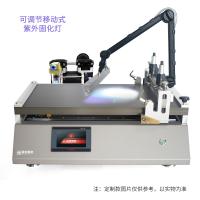
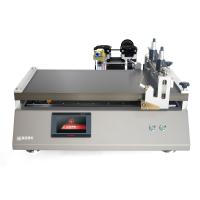
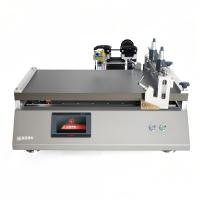
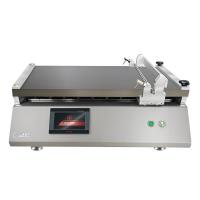
Technical Principle and Operation of Anode Film Applicator
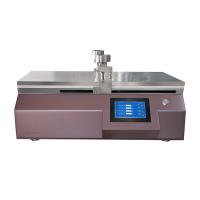
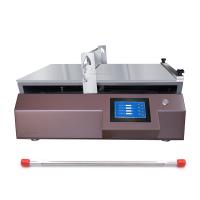
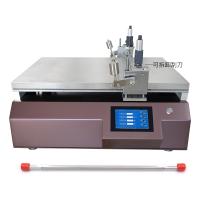
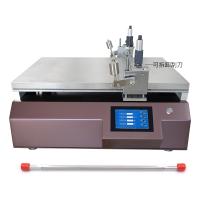
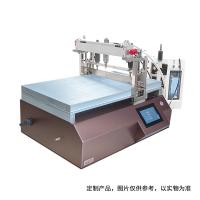
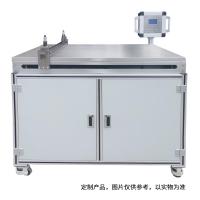
The coating of cathode materials is one of the key links in the manufacturing process of lithium-ion batteries. As a key equipment to realize the coating of cathode materials, the cathode material coating machine plays an important role in the lithium battery industry. This article will delve into the working principle, key parameters, operation process and maintenance of the cathode material coating machine to help readers better understand and apply the technology.
Keywords: cathode material, coating machine, working principle, key parameters, operation, maintenance
introduction
As an efficient and environmentally friendly energy storage technology, lithium-ion batteries are widely used in electric vehicles, portable electronics and other fields. The coating film of cathode material is one of the important factors affecting the performance and quality of lithium batteries. The cathode material coating machine is the key equipment to realize the coating of cathode materials, and its performance and stability directly affect the performance and production efficiency of the battery.
How it works
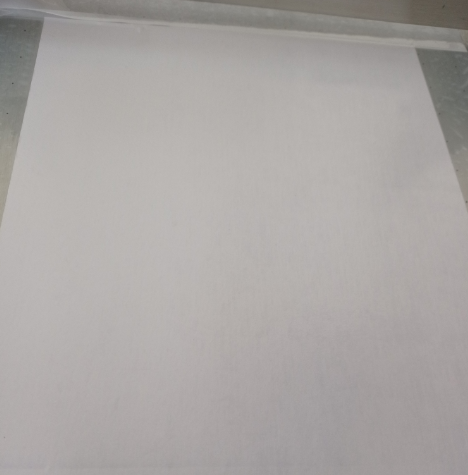
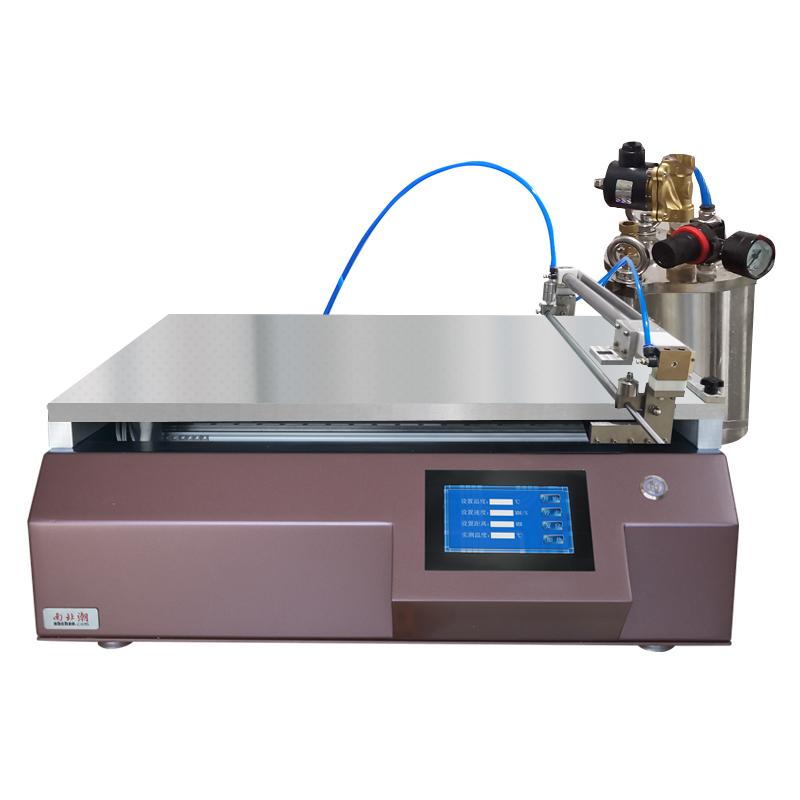
The cathode material coater is one of the most important equipment in the manufacture of lithium-ion batteries, which works by means of coating and curing the cathode material through a series of precise operation steps. First, the cathode material is fed inside the coater in the form of a slurry, which is equipped with a coating head, which usually includes a coating tank or coating roller, which is designed to evenly coat the paste on a conductive substrate. The conductive substrate is usually copper or aluminum foil, which provides a current conduction path and is also a support for the cathode material. The coating head controls parameters such as coating speed, pressure and temperature to ensure that the slurry is evenly distributed across the substrate and that the coating thickness is consistent.
Once coated, the slurry applied to the substrate needs to be dried and cured, usually by sending the coated substrate into an oven or drying chamber. In the process of drying and curing, the heat energy causes the solvent in the slurry to volatilize, so that the cathode material forms a strong electrode layer on the surface of the substrate. At the same time, the quality and stability of the electrode layer are ensured by controlling the temperature and time of drying and curing.
Finally, the prepared cathode material needs to be inspected for quality, including inspection of coating thickness, uniformity, surface flatness and other indicators. These tests can ensure that the electrochemical and physical properties of the cathode material meet the design requirements, and provide high-quality cathode materials for the final assembly of lithium-ion batteries.
Key parameters
The key parameters of the cathode material coating machine include but are not limited to the following aspects:
3.1 Coating speed: an important parameter that affects the coating thickness and coating uniformity.
3.2 Temperature control: affect the fluidity and curing speed of the cathode material slurry.
3.3 Pressure control: affect the adhesion between the cathode material and the substrate and the compaction of the electrode layer.
3.4 Coating thickness control: directly affect the final thickness and performance of the cathode electrode layer.
Procedure
The operation process of the cathode material coating machine usually includes the following steps:
4.1 Preparation: cleaning the equipment, calibrating the parameters, loading the cathode material slurry, etc.
4.2 Set parameters: Set parameters such as coating speed, temperature, and pressure according to experimental requirements.
4.3 Coating operation: Start the coating machine to evenly coat the cathode material slurry on the conductive substrate.
4.4 Drying and curing: The coated substrate is sent to the oven or drying chamber for drying and curing to form a uniform positive electrode layer.
4.5 Quality inspection: quality inspection and evaluation of the prepared cathode electrode layer.
Maintenance
In order to ensure the stability and long-term use of the cathode material coating machine, regular maintenance work is required, including but not limited to:
5.1 Clean the coating head and coating area to prevent impurities and dirt from affecting the coating quality.
5.2 Calibrate the coating thickness and other parameters to maintain the accuracy and stability of the equipment.
5.3 Regularly inspect the mechanical and electrical parts of the equipment to ensure its normal operation and safety.
5.4 Replace the parts and consumables with serious wear and tear in time to prolong the service life and performance of the equipment.
conclusion
The cathode material coating machine is an important equipment in the manufacturing process of lithium battery, which has a direct impact on the performance and quality of the battery. This paper discusses the working principle, key parameters, operation process and maintenance of the cathode material coating machine, aiming to help readers better understand and apply the technology and improve the efficiency and quality of lithium battery preparation.

- 1How Flat Film Applicators Can Build a New Generation of Functional Materials on Fabrics
- 2NVP anode film FAQ and solution
- 3Application Technology of Laboratory Film Applicator in Dielectric Thin Film
- 4Comparison of Advantages and Disadvantages of Three Heating modes for Laboratory Film Applicators
- 5Application and selection of laboratory coater in PDMS thin film prepative
- 6Scraping machine selection case: film substrate large size high accuracy scraping solution
- 7Application of Film Applicator in PEM Research and Preparation
- 8Application of Film Applicator in PVDF-HFP Material Research
- 9Application of Film Applicator in Cosmetic Base Body