Application of Mayer Rods in Water-based ink Moulding
introduction
As an important part of environmental protection and sustainable development, water-based ink film technology plays an important role in printing, packaging and other fields. As a common coating tool, the wire rod coater plays an important role in the process of making water-based ink films. This article will discuss the application of wire rod coater in water-based ink film making technology, as well as its advantages and operation skills in the film making process.
Overview of water-based ink film making technology
Water-based ink film making technology is an environmentally friendly and low-volatile coating technology, which has been widely used in printing, packaging and other industries. Compared with traditional organic solvent-based inks, water-based inks have the advantages of environmental protection, safety and easy cleaning, so they have received more and more attention and promotion.
Application of mayer-rod in water-based ink filmmaking
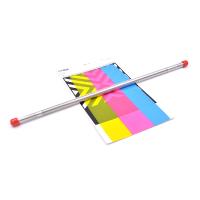
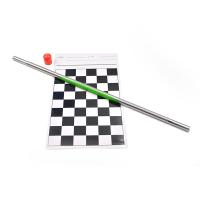
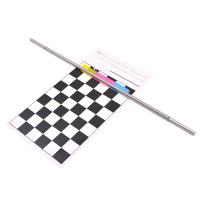
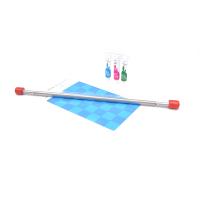
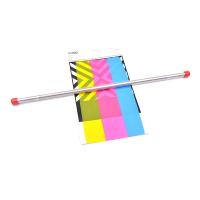
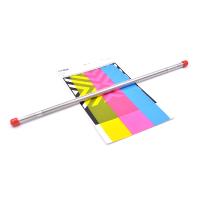
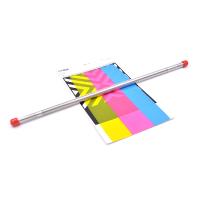
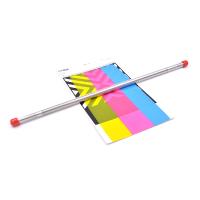
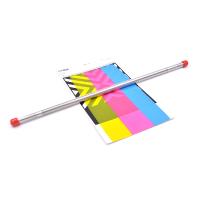
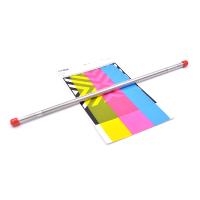
As a common manual coating equipment, the wire rod coater is widely used in the process of water-based ink filmmaking. It is simple and cost-effective to operate, making it suitable for both laboratory and small-scale production environments. Through the mayer-rod, the precise coating of water-based inks can be realized, and the film thickness can be controlled to ensure the coating effect.
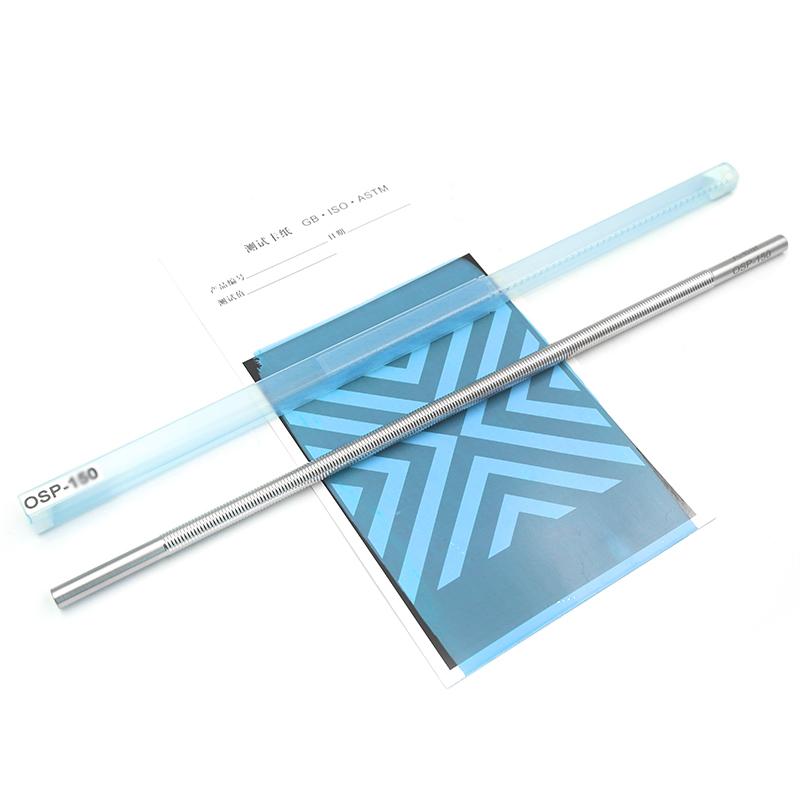
Detailed explanation of the operation steps of water-based ink film making
In the process of making film with water-based inks, the correct operation steps are essential to achieve the desired film making results. Here are the detailed steps:
Step 1: Prepare the substrate
Choose the appropriate size of the substrate: Select the appropriate size of the substrate according to the experimental needs, usually choose glass sheets, plastic sheets or other flat substrates as proofing preparations.
Step 2: Fix the proofing substrate
Fix the substrate: Fix the prepared substrate on the coating table or other flat bench to ensure that the substrate is fixed and will not move.
Step 3: Select a wire bar applicator with the right wet film thickness
Choosing the right wire bar applicator: Choose the right wire bar applicator based on your experimental needs and desired wet film thickness.
Step 4: Apply the ink sample for proofing to 1cm below the squeegee
Coated ink sample: The water-based ink sample to be tested is coated about 1cm below the scraper of the wire rod coater, and the coating amount is controlled according to the experimental requirements.
Step 5: Hold both ends of the scraper with both hands and scrape the application from the outside to the operator at a balanced speed and pressure
Hold the spatula with both hands: Hold each end of the spatula with both hands and maintain a stable hand position.
Uniform scraping: Evenly scrape the ink sample along the surface of the substrate at a uniform speed and at the right pressure, starting at one end of the substrate. The direction of scraping is generally from the outside of the substrate to the direction of the operator.
advantage
Precise control of film thickness: The mayer-rod can achieve precise control of the film thickness of water-based inks by adjusting the wiper pressure and speed of the coating rod.
Versatile: Suitable for a wide range of substrates and coating requirements, with high flexibility.
Cost-effective: Low cost, easy to operate, suitable for laboratory and small-scale production environments.
conclusion
Wire rod applicators play an important role in water-based ink film making technology, and their ease of use and low cost make them ideal for the film making process. Through reasonable operation skills, the efficient and accurate coating of water-based inks can be realized, which provides strong support for the development of the printing and packaging industry.
- 1Application of Mayer Rods in protective coating prepative
- 2Application of Mayer Rods in 2D Single Crystal Copper Nanosheet Films
- 3Application of Mayer Rods in composite coating prepative
- 4Several Common Experimental Spreader Methods and Their Applications
- 5Technical method and application of preparing nanometer silver wire thin films with Mayer Rods
- 6The experimental case of OSP Mayer Rods at inks Moulding [with video]
- 7Why Do Film Applicators Need to Change Their Wires Regularly?
- 8Mayer-Rod (Mayer Rods) Preparative 2D Copper Nanosheets
- 9The overlooked role of Mayer Rods in laboratory wet-film preparation