Application and Optimization of PDMS Solution Coated on Glass by Small Film Applicator
Summary:
This article describes the application of a small Film Applicator to coat glass surfaces with a polydimethylsiloxane (PDMS) solution. Firstly, the characteristics of PDMS and its wide application in microfluidic chips and biomedical fields are introduced. Then, the working principle and structure of the small Film Applicator are described in detail. Then, the optimization of operating parameters for coating PDMS solution was discussed, including solution concentration, coating speed and temperature. Finally, the application effect of a small Film Applicator on glass with PDMS solution and its potential application in the preparation of microfluidic chips are demonstrated through experimental cases.
introduction
Polydimethylsiloxane (PDMS) is a commonly used organosilicon polymer material with excellent mechanical properties, chemical stability and biocompatibility, and is widely used in microfluidic chips, biomedical devices, microfluidic experiments and other fields. In these applications, coating the PDMS solution on the substrate surface is one of the key steps in the preparation process. The small Film Applicator can effectively control the coating process and ensure the uniformity and quality of the film, so it has important value in the application of coating PDMS solution.
Application of PDMS in microfluidic chip fabrication
PDMS materials are one of the preferred materials for microfluidic chips due to their excellent flexibility, transparency, and biocompatibility. A microfluidic chip is a miniaturized experimental platform that enables precise control and manipulation of tiny droplets, cells, and biomolecules. The microchannels and microstructures of microfluidic chips are prepared by coating PDMS solution on glass or silicon substrates, and passing through process steps such as lithography and hot pressing.
The working principle and structure of the small Film Applicator
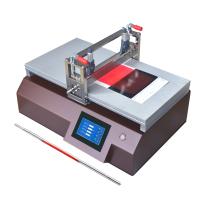
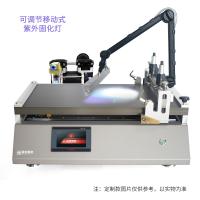
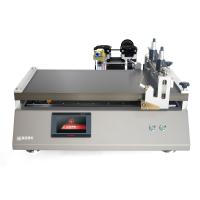
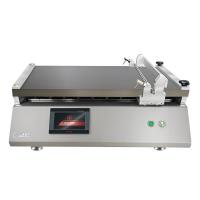
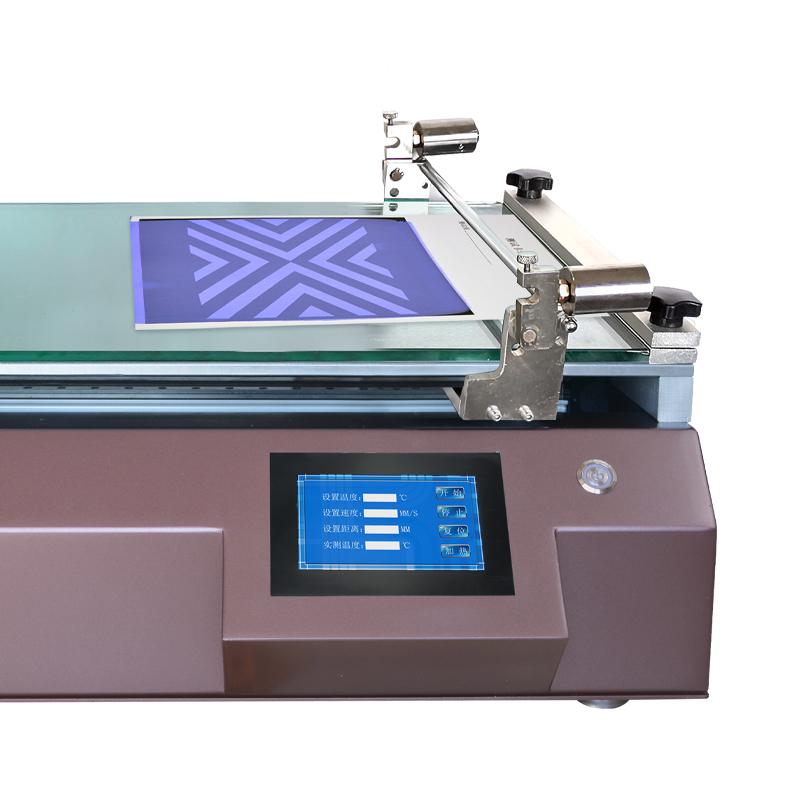
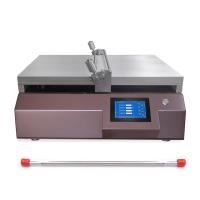
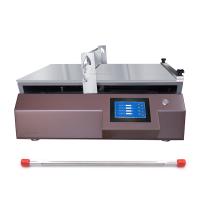
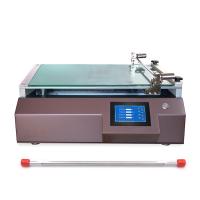
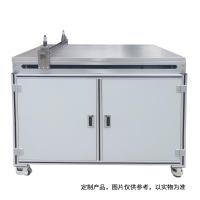
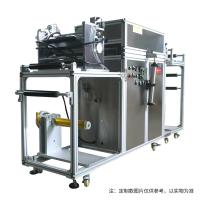
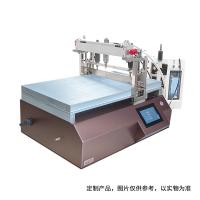
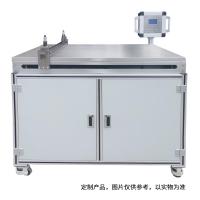
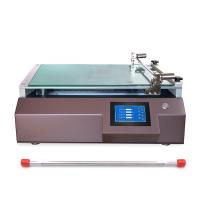
A small Film Applicator usually consists of a coating system, a drying system, and a control system. The coating system consists of components such as a solution reservoir, applicator head (wire rod or adjustable squeegee), and coating table to evenly coat the PDMS solution on the substrate surface. The drying system is used to accelerate the evaporation of the solvent to form a uniform and dense PDMS film.
Optimization of operating parameters for coating PDMS solution
4.1 Solution concentration
The concentration of the PDMS solution directly affects the thickness and quality of the PDMS film after coating, and the concentration is usually adjusted by diluting or concentrating the solution to meet the needs of different applications.
4.2 Coating speed
Coating speed refers to the speed at which the coating head moves in the coating system, which affects the thickness and uniformity of the PDMS film. It is often necessary to adjust the application speed according to the actual situation to obtain the best application results.
4.3 Temperature control
When coating PDMS solutions, temperature has an important influence on the solvent evaporation rate and film formation. Proper temperature control can improve the speed and quality of the coating film, thereby increasing the preparation efficiency.
Case study: Application of small Film Applicator to coat glass with PDMS solution
In the experiment, we used a small coater to evenly coat different concentrations of PDMS solutions on the glass substrate, and optimized the coating process by adjusting parameters such as coating speed and temperature. The results show that the optimized PDMS film has good uniformity and transparency, which is suitable for the fabrication of microfluidic chips.
conclusion
The application of small film coating machine in coating PDMS solution on glass is of great significance, which can effectively control the coating process and improve the quality and preparation efficiency of the coating film. By optimizing the coating parameters, PDMS films with good performance can be obtained, which can promote the development and application of microfluidic chips and other fields.

- 1How Flat Film Applicators Can Build a New Generation of Functional Materials on Fabrics
- 2NVP anode film FAQ and solution
- 3Application Technology of Laboratory Film Applicator in Dielectric Thin Film
- 4Comparison of Advantages and Disadvantages of Three Heating modes for Laboratory Film Applicators
- 5Application and selection of laboratory coater in PDMS thin film prepative
- 6Scraping machine selection case: film substrate large size high accuracy scraping solution
- 7Application of Film Applicator in PEM Research and Preparation
- 8Application of Film Applicator in PVDF-HFP Material Research
- 9Application of Film Applicator in Cosmetic Base Body