Application Experiment of Automatic Film Applicator for Spreader Chitosan Film
introduction
Chitosan is a natural polysaccharide polymer prepared by deacetylation of chitin, which has good biocompatibility, biodegradability and antibacterial properties. Therefore, chitosan has a wide range of application prospects in the fields of medicine, food packaging and water treatment. This article will introduce in detail the technology of coating chitosan membrane using a film coater, including material selection, process flow, performance testing and its application prospects.
Materials & Equipment
Material:
Chitosan: The main ingredient used in the preparation of coated films. The degree of deacetylation and molecular weight of chitosan affect its solubility and coating properties.
Solvents: Commonly used solvents are acetic acid, lactic acid, etc., which are used to dissolve chitosan and adjust its solution viscosity.
Crosslinker: Glutaraldehyde, calcium chloride, etc. can be used to increase the mechanical strength and stability of chitosan membrane.
Base material: Depending on the application, polyethylene (PE), polypropylene (PP), glass or metal can be selected.
Equipment:
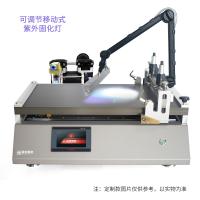
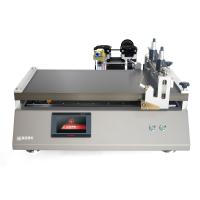
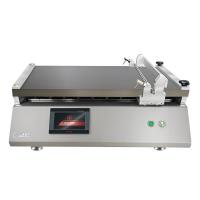
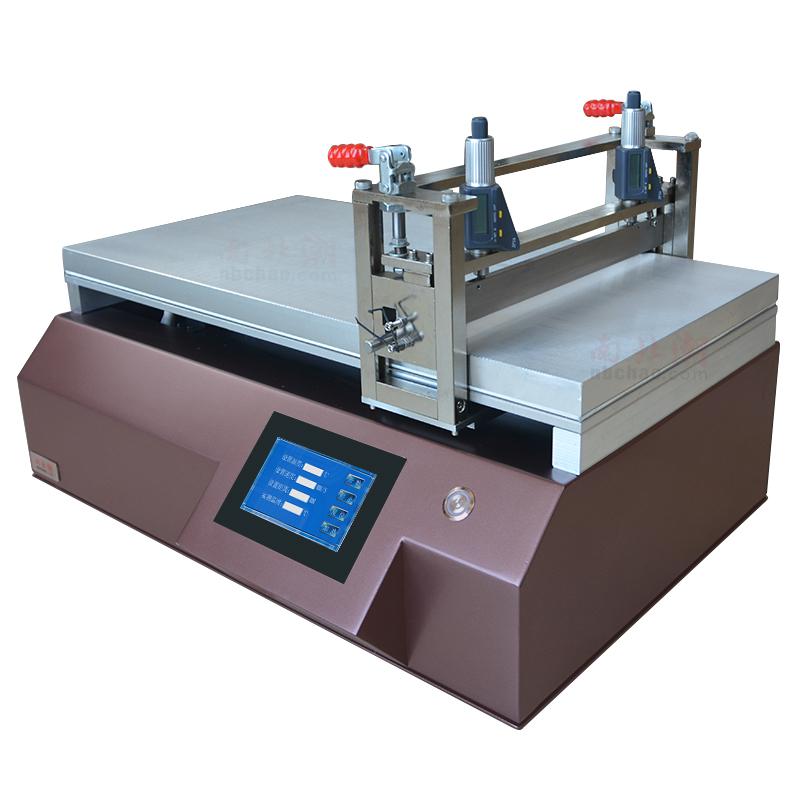
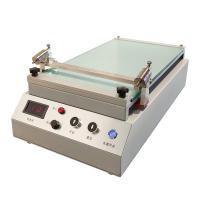
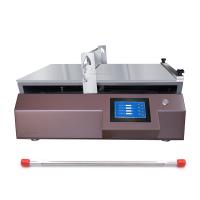
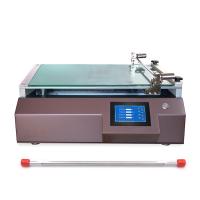
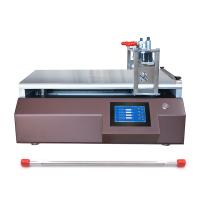
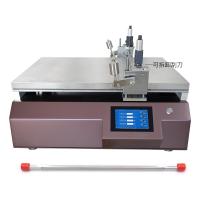
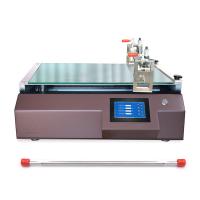
Film applicator: A critical piece of equipment used to evenly coat chitosan solutions on substrate materials.
Heating table or oven: Used to dry and cure chitosan films.
Stirrer: Used to prepare chitosan solutions to ensure homogeneous mixing.
Thickness Gauge: Used to measure the thickness of the coating to ensure the uniformity and expected thickness of the coating.
Microscope: Used to observe the topography and uniformity of the coating surface.
Experimental Methods
1. Preparation of chitosan solution:
First, chitosan is dissolved in a solution of acetic acid in a certain proportion, usually at a concentration of 1-3%. Stir the solution until the chitosan is completely dissolved, forming a homogeneous solution. If you need to improve the mechanical properties of the membrane, you can add an appropriate amount of crosslinker and continue to stir well.
2. Base Preparation:
The selected substrate material is cleaned to remove dirt and grease from the surface and ensure that the coating adheres well. For some substrates with high surface energy, surface treatments, such as plasma treatment or UV ozone treatment, can be applied to improve the adhesion of the coating.
3. Coating process:
The chitosan solution is poured into the coating tank of the coater, and the thickness and uniformity of the coating are controlled by adjusting the coating speed and knife edge gap. During the coating process, the temperature and humidity of the coating environment should be kept stable to prevent bubbles or unevenness in the coating. In general, the coating speed is set at 5-20 mm/s and the coating thickness is controlled between 10-50 microns.
4. Drying & Curing:
After coating, the substrate material is dried and cured. The coated sample is placed on a heating stage and initially dried at 40-60 °C for 10-20 minutes. Subsequently, the sample is transferred to an oven for final curing at 80-100°C for 1-2 hours. This process helps to remove solvents and improve the mechanical properties of the film.
5. Performance Testing:
The performance tests of coatings include thickness measurement, adhesion test, mechanical property test and antibacterial performance test, etc. Thickness measurements are carried out using a Thickness Gauge to ensure the uniformity and expected thickness of the coating. Adhesion testing is performed using the stripe or peel method to evaluate the adhesion between the coating and the substrate. Mechanical properties are tested for tensile strength and elongation at break, while antimicrobial properties can be tested using bacterial culture.
Experimental results and discussion
1. Coating thickness and uniformity:
Through the precise control of the coater, the uniform coating of chitosan film can be achieved. In this experiment, the coating thickness was controlled between 20-30 microns, and the thickness uniformity was good. Observed by light microscope, the coating surface is smooth and there are no obvious defects.
2. Coating Adhesion:
The coating adhesion of the surface treated substrate material is significantly improved. The scratch test results showed that the coating had no obvious peeling and good adhesion. The plasma-treated substrate exhibited better adhesion, indicating that the surface treatment method had a significant effect on the coating properties.
3. Mechanical Properties:
Chitosan membranes have high tensile strength and elongation at break, which can meet the mechanical property requirements of most applications. By adding the right amount of crosslinker, the mechanical strength and durability of the membrane can be further improved.
4. Antimicrobial properties:
The chitosan membrane has good antibacterial properties and has a significant inhibitory effect on common pathogenic bacteria such as Escherichia coli and Staphylococcus aureus. The results of antimicrobial performance test showed that chitosan membrane could effectively inhibit bacterial growth and had a good application prospect.
Application prospects
1. Medical Applications:
Chitosan membranes have a wide range of applications in the medical field, such as wound dressings, drug carriers, and tissue engineering stents. Its good biocompatibility and antimicrobial properties make it an ideal medical material. Chitosan films with uniform thickness and excellent performance can be prepared with the coating machine to meet the needs of different medical applications.
2. Food Packaging:
As an environmentally friendly food packaging material, chitosan film has good barrier properties and antibacterial properties, which can prolong the shelf life of food. By optimizing the coating process, the mechanical properties and transparency of chitosan film can be improved, and its application competitiveness in the field of food packaging can be enhanced.
3. Water Treatment:
Chitosan membranes can be used as membrane separation materials in the field of water treatment to remove heavy metal ions, organic pollutants and microorganisms in water. The chitosan membrane prepared by the coating machine has high mechanical strength and chemical stability, and can maintain good separation performance in complex aqueous environments.
4. Other Industrial Applications:
Chitosan membranes also have a wide range of application prospects in sensors, biodegradable materials and other fields. By continuously optimizing the coating process and material formulation, the performance of chitosan membranes can be further improved to meet the needs of different industrial applications.
conclusion
In this paper, the technical methods, experimental results and application prospects of chitosan membrane coating by film coater are introduced in detail. With precise control of the coating process and solution formulation, chitosan membranes with excellent performance can be prepared. In practical applications, further optimization of process and material selection can achieve higher performance indicators and promote the development of chitosan membranes in various fields.
Chitosan film has important application value in the fields of medical treatment, food packaging and water treatment, and can effectively improve the quality and performance of the coating through the coating machine, and provide reliable technical support for practical applications. With the continuous progress of technology, chitosan membrane will have a wider range of applications and development space in the future.
- 1How Flat Film Applicators Can Build a New Generation of Functional Materials on Fabrics
- 2NVP anode film FAQ and solution
- 3Application Technology of Laboratory Film Applicator in Dielectric Thin Film
- 4Comparison of Advantages and Disadvantages of Three Heating modes for Laboratory Film Applicators
- 5Application and selection of laboratory coater in PDMS thin film prepative
- 6Scraping machine selection case: film substrate large size high accuracy scraping solution
- 7Application of Film Applicator in PEM Research and Preparation
- 8Application of Film Applicator in PVDF-HFP Material Research
- 9Application of Film Applicator in Cosmetic Base Body