Application of color difference meter in construction industry
introduction
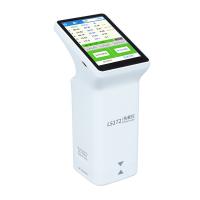
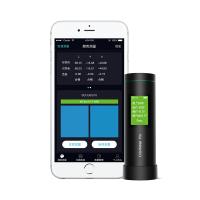
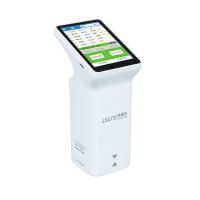
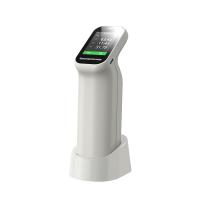
A Colorimeter is an instrument used to measure color differences, helping users achieve color consistency and accuracy by accurately analyzing color parameters. In the construction industry, Colorimeters are becoming more and more widely used, playing an important role in everything from material selection to the construction process to final acceptance. This article will delve into the various applications of Colorimeters in the construction industry and analyze their key role in improving building quality and aesthetics.
The basic principles of a Colorimeter
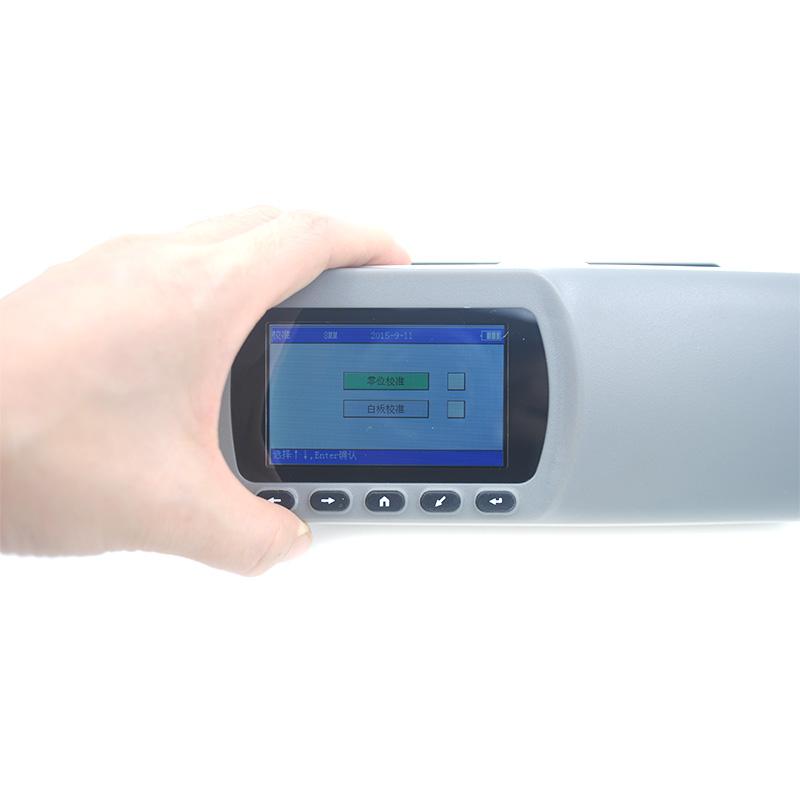
Colorimeters use optical sensors and digital analysis technology to capture and analyze the color of the surface of an object. It typically uses CIE1976 (L, a, b) color space, which describes color by three parameters: L for brightness and a and b for color direction. By calculating the difference between two color samples, the Colorimeter can provide an accurate color difference value to help the user judge the consistency of the color.
Application of Colorimeter in the selection of building materials
In building design and construction, the choice of materials is crucial, especially when it comes to color consistency. Whether it's exterior paints, floor tiles, or decorative materials, color inconsistencies can affect the overall aesthetics of a building. The application of Colorimeter in the material selection stage is mainly reflected in the following aspects:
Exterior paints are color-matched
The color of building exterior paints directly affects the appearance of the building. When choosing a paint, designers and applicators need to make sure that the paint color is exactly the same as the design. By using a Colorimeter, you can find the color that is closest to the design requirements in the samples provided by the paint supplier, avoiding the problem of visual identification errors.
Chromatic aberration control of floor and wall tiles
Floor tiles and wall tiles are important materials for building interior decoration, and their color consistency has an important impact on the overall decoration effect. During the production process, due to the influence of raw materials, firing temperature and other factors, there may be color differences in different batches of bricks. Use a Colorimeter to detect each batch of bricks to ensure that its color difference is within the allowable range, which can effectively avoid the problem of obvious color difference after construction.
Chromatic aberration detection of decorative materials
In modern architecture, there are many types of decorative materials, such as wood, metal, glass, etc., and the color of these materials is also a factor that needs to be strictly controlled in the design. Through the detection of the Colorimeter, the consistency of the color of various decorative materials can be ensured, so as to achieve the aesthetic effect expected by the designer.
The application of Colorimeter in the construction process
The application of Colorimeters is also crucial in the construction process. The color control during the construction process not only affects the final visual effect, but also relates to the control of the construction quality.
Color control in paint application
In paint application, there may be color differences between different batches of paint, and changes in the construction environment will also affect the final effect of the paint. With a Colorimeter, coatings at different stages of the construction process can be inspected to ensure color consistency and avoid rework and quality problems caused by color differences.
On-site color grading and color matching
Some architectural projects require on-site color grading and color matching to meet special design needs. In this case, the Colorimeter can help the construction personnel accurately match the color, ensure that the modulated color is completely consistent with the design requirements, and improve the construction efficiency and quality.
Chromatic aberration detection under lighting conditions
The lighting conditions on the construction site have a significant impact on the color recognition. The Colorimeter can detect colors under different light sources to ensure the consistency of color under natural light and artificial light sources, and avoid color aberration caused by changes in light sources.
Application of Colorimeter in building acceptance
The building acceptance stage is a key part of quality control, and the application of Colorimeter in this stage is mainly reflected in the following aspects:
Exterior and interior color acceptance
When inspecting exterior and interior walls, the Colorimeter can sample and inspect large areas of paint to ensure that the color consistency meets the design requirements. Especially in large-scale construction projects, the application of Colorimeter can greatly improve the efficiency of acceptance and reduce the error caused by human subjective judgment.
Acceptance of the color of the floor and wall tiles
The color acceptance of floor and wall tiles also requires precise color control. The Colorimeter can help the acceptance personnel quickly detect the color of the tile, ensure that it is consistent with the design plan, and avoid affecting the overall decoration effect due to color difference.
Decorative material color acceptance
For all kinds of decorative materials, such as wood products, metal parts, etc., the Colorimeter can carry out rapid color detection to ensure the color consistency of all decorative materials and improve the overall appearance of the building.
Application of Colorimeter in building maintenance
The color of a building may change over time and under the influence of environmental factors during its use. The application of Colorimeter in building maintenance can help to find and solve the problem of color change in time, and maintain the beauty and quality of the building.
Color monitoring of exterior paints
Exterior paints may fade or discolor when exposed to sunlight, rain, and other environments for a long time. By regularly using a Colorimeter for inspection, color changes can be detected in time, necessary maintenance and renovation can be carried out, and the service life of the building can be extended.
Color monitoring of upholstery materials
Interior decoration materials, such as wallpaper and carpets, may also change color due to light and wear and tear. The Colorimeter can help owners or property managers to carry out color monitoring, replace or repair discolored decorative materials in time, and maintain the beauty of the indoor environment.
epilogue
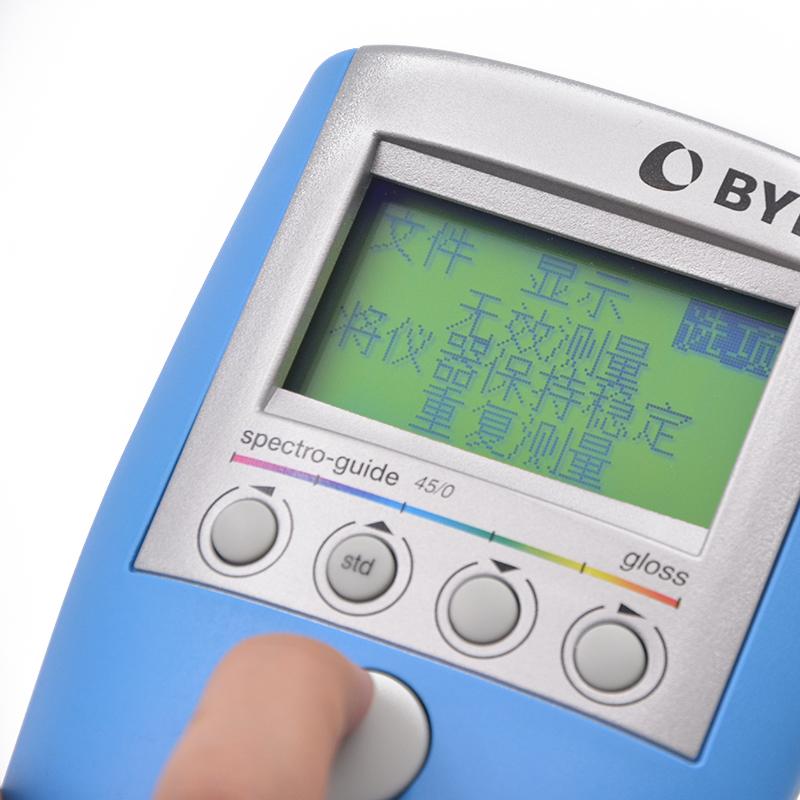
The application of Colorimeter in the construction industry provides a powerful tool for improving the accuracy and efficiency of architectural color management. From material selection and construction to final acceptance and maintenance, Colorimeters are used throughout the building lifecycle to ensure color consistency and aesthetics. Despite challenges such as equipment cost and operational complexity, Colorimeters will play an increasingly important role in the construction industry as technology continues to evolve, contributing to the creation of high-quality and aesthetically pleasing buildings.