Balance Weighing Methods and Precautions for use
Balances are an indispensable tool in chemical laboratories for accurately measuring the quality of substances. Correct weighing methods and strict rules of use are key to ensuring the accuracy and long-term reliability of your balance. Balances in chemistry laboratories should be properly managed and maintained to guarantee the reliability and accuracy of experimental data.
1. Weighing method
Direct weighing
It is suitable for specimens that do not absorb moisture in air, such as metals or alloys. Cover the specimen with a clean plastic film or strip of paper, place it in the center of the balance pan, and weigh it as you would with the balance.
Fixed mass weighing method
It is used to accurately weigh specimens of specified mass. The specimen is placed in a weighing container of known quality, such as a surface dish or a small beaker, after weighing the mass of the vessel, the corresponding weight is added to the balance balance, and then the specimen is gently vibrated into the container until the specified mass is reached.
Subtractive (differential) weighing
It is suitable for substances that are easily absorbed, oxidized or reactive. The mass of the weighing flask containing the sample is weighed first, and then the mass of the weighing flask after the sample is poured out, and the difference between the two is the mass of the sample.
2. Weighingsteps
In chemistry laboratories, the use of balances is a critical step in accurate weighing, and it has a direct impact on the accuracy and reproducibility of experimental results.
1. Balance selection and preparation
Choose a balance according to the mass range and accuracy requirements of the object to be weighed. Make sure that the maximum weighing range of the balance is not lower than what is actually needed, and do not choose to be too high for more precision than required to avoid wasting resources and costs.When weighing, the specimen should generally not be placed directly on the balance weighing pan, but should be placed in a clean weighing container, such as a surface dish, beaker, crucible, etc. The container should be chosen to avoid chemical reactions with the substance being weighed or materials that absorb moisture.
2. Requirements for the balance room
The balance should be set in an environment that is dustproof, shockproof, moisture-proof, and temperature-stable. The balance room should be kept away from vibration sources, high temperature or humidity fluctuations to ensure the stability of the weighing environment.The room should be bright, evenly lit, but not directly onto the scale. The balance chamber should avoid the presence of obvious air currents, so as not to affect the weighing accuracy.
3. The use and operation of the balance
The switch balance should be done gently, not slammed on and off, so as not to damage the mechanical parts of the balance or affect the accuracy of the weighing results.Confirm the maximum weighing range of the balance before weighing and do not exceed its rated load to avoid damage to the balance. Especially when using mechanical balances, overloading can lead to damage or increased deviation of the balance edge.When weighing items, weights should be selected in order from largest to smallest. Increasing or decreasing weights should be done gradually until the balance is balanced. The balance should not be switched on and off completely until it is in equilibrium.Weighing items should generally not be placed directly on the balance weighing pan, and clean utensils should be used to avoid contact between the weighed substance and the balance, especially for volatile substances or moisture-absorbing substances.
3. Precautions
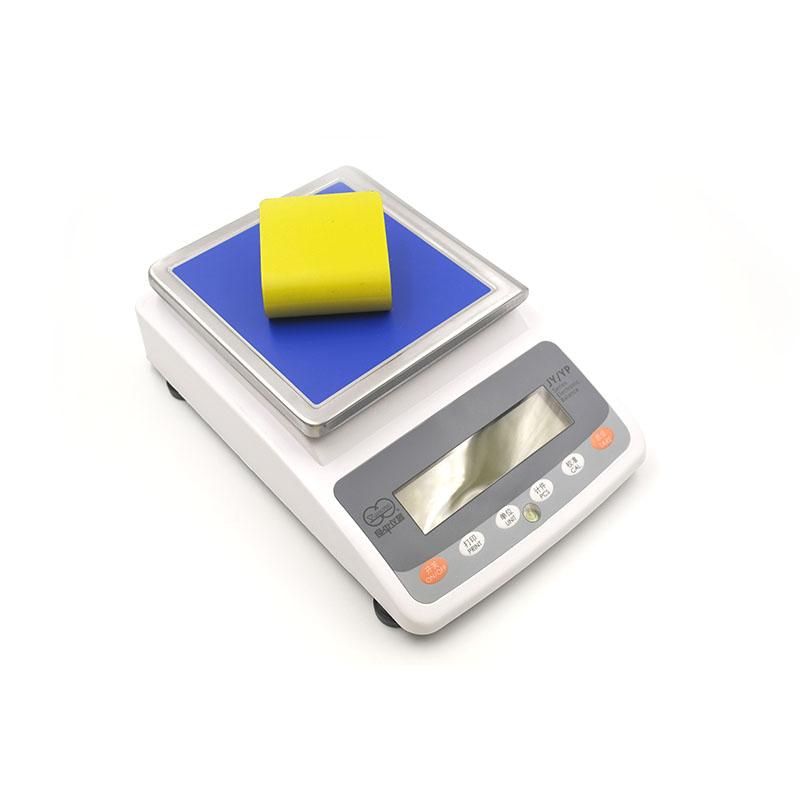
Before using an electronic balance, it should be warmed up and calibrated. The warm-up time usually takes 30 minutes to 1 hour to ensure that the electronic components reach a stable working state. Calibrations are performed regularly with standard weights, and it is generally recommended to do so once a week.Electronic Balances have complex structures and high precision, which require careful maintenance and upkeep. Clean the weighing pan, housing and frame cover regularly, using a cleaning cloth dampened with a small amount of absolute ethanol and rubbing. Once the balance is cleaned, the inner frame can be placed with non-corrosive desiccant such as discolored silicone.Each balance should have a dedicated person responsible for regular inspection, adjustment and maintenance. Establish a balance technical file to record maintenance and usage records so that problems can be identified and dealt with in a timely manner.Caution should be exercised when using and moving the balance to avoid damage to the balance or injury to personnel due to unexpected situations. If any abnormalities are found during use, stop using it immediately and seek professional help.