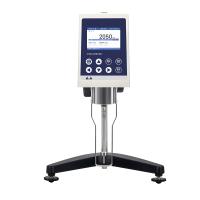
Application technology and quality control of Rotational Viscometer in pulp and paper manufacturing
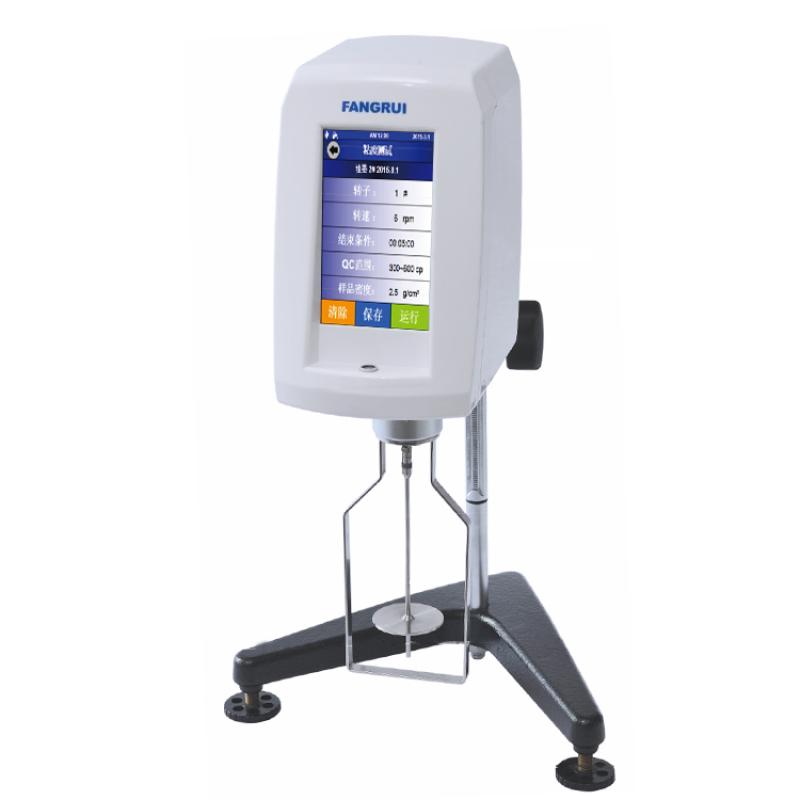
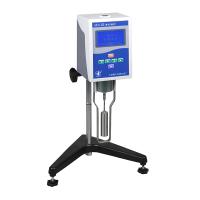
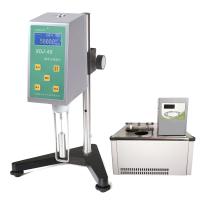
The Rotational Viscometer is a key test equipment in pulp and paper manufacturing, mainly used to measure the viscosity of pulp and coatings, and is essential for the control of the production process and the assurance of product quality. The following is a detailed description of the application technology and quality control aspects of Rotational Viscometers in these two areas:
applytechnology
Measure pulp viscosity
In the pulp manufacturing process, viscosity is an important indicator that affects the flow of the pulp, the pumping efficiency and the final quality of the paper. By measuring the viscosity of the pulp, the Rotational Viscometer helps the producer adjust the pulp concentration and the dosage of chemical additives to ensure the stability and controllability of the pulp throughout the manufacturing process. Accurate control of viscosity can avoid problems such as poor slurry flow and uneven fiber dispersion, and improve the uniformity and strength of the paper.
Measure the viscosity of the paint
In the paper coating process, the viscosity of the coating directly affects its uniformity and coating effect on the surface of the paper. Rotational viscometers are used to measure the viscosity of coatings to ensure their fluidity and coating properties during the application process, avoiding problems such as uneven coatings, wrinkles, or insufficient coating thickness due to improper viscosity. Accurate control of viscosity helps to improve print quality and ensure consistency of printing results.
Adjust and optimize process parameters
By measuring the viscosity of pulp and coatings on a regular basis with a Rotational Viscometer, producers can stay informed of changes in process parameters and adjustment needs. For example, in pulp manufacturing, changes in viscosity can be caused by changes in slurry composition, temperature, or pH, and timely adjustment of process parameters can avoid production interruptions and product quality issues. During the coating process, viscosity measurement can be used to optimize the coating speed and thickness, improving production efficiency and product quality.
quality control
Ensure consistency and stability of production
Rotational viscometers help maintain consistent operating conditions and product quality during the production process by continuously and accurately measuring the viscosity of pulp and coatings. This precise quality control avoids production problems caused by fluctuating process parameters, ensuring the stability of paper uniformity, strength, and other key performance indicators.
Detect and prevent problems
Viscosity monitoring not only helps to understand the situation in the production process in real time, but also enables the early detection of potential problems. For example, a sudden change in viscosity may indicate an unstable raw material quality or a process abnormality, and with timely adjustments and reactions, a decrease in product quality and an increase in scrap rates can be prevented.
Comply with industry standards and specifications
The pulp and paper manufacturing industry has strict quality standards and specifications, and the use of Rotational Viscometers can help businesses ensure that their products meet the requirements of international and national standards. The recording and analysis of viscosity data not only contributes to internal quality control, but also demonstrates the stability and reliability of product quality to customers and regulatory agencies.
epilogue
Rotational viscometers play an integral role in pulp and paper manufacturing, helping producers optimize process parameters, ensure product quality consistency, and improve production efficiency and product competitiveness by accurately measuring the viscosity of pulp and coatings. Its application in quality control not only helps to improve production efficiency and product quality, but also ensures the reputation and competitive advantage of enterprises in the market.




- 1Rotational viscometer - principle, classification, application and calibrating
- 2Application of NDJ-8S digital Rotational Viscometer in viscosity measurement of cosmetic raw materials
- 3NDJ-5S digital Rotational Viscometer accurate measurement of natural oil viscosity
- 4Application of HBDV-1H swirl/spin High Temperature Viscometer in Viscosity Determination of Plastic Particles
- 5Rotational viscometer selection guide: How to choose the right viscosity equipment for you?
- 6Principle, type and accuracy control of Rotational Viscometer
- 7Which Viscometer to Choose for Licorice Extract Viscosity Testing? How to Test?
- 8Application of Rotational viscometer in Waterborne Polyurethane Adhesive
- 9Application of Rotational Viscometer in cellulose material