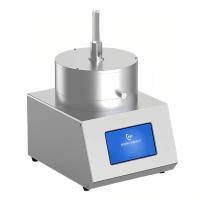
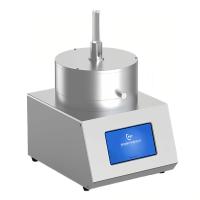
Spin Coater selection and classification: a one-stop guide
As a key equipment in semiconductor manufacturing and microelectronic processing, the selection and classification of homogenizer directly affect the efficiency of the production process and product quality. In the ever-evolving world of technology, it is important for manufacturers and technicians to know how to choose the right blender and understand its sub-categories. This article will discuss the selection guide of the blender in detail and comprehensively analyze its various classifications to help readers make an informed choice in practical applications.
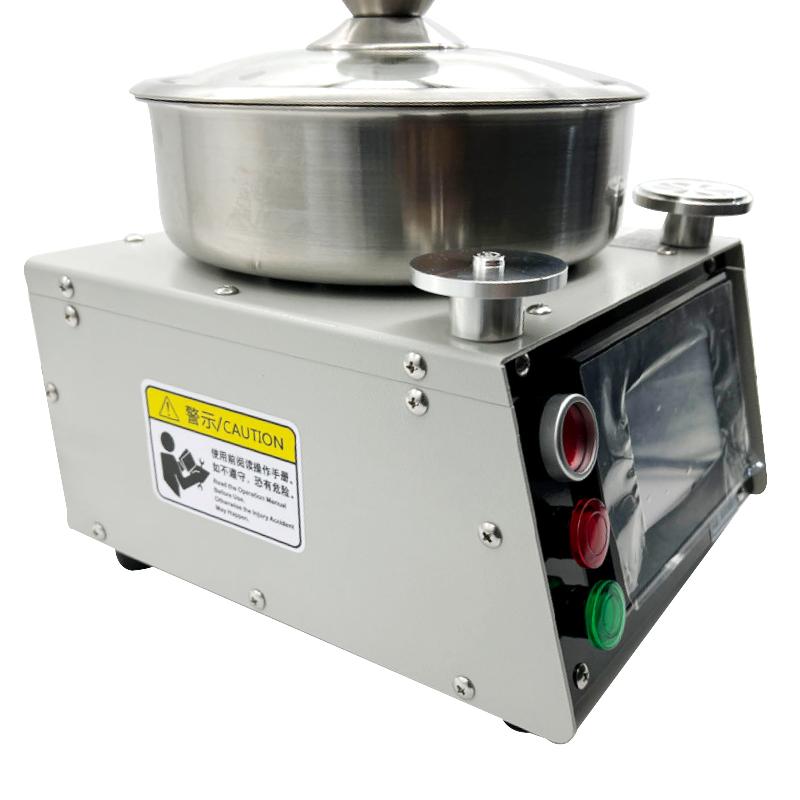
A guide to the selection of a blender
Choosing a blender is a complex process that requires a comprehensive consideration of many factors. In order to ensure that the selected equipment meets the specific application needs and production requirements, we need to conduct a comprehensive evaluation from the following aspects:
1. Application requirements
a. Substrate size and type
First, determine the size of the substrate that needs to be processed. Different blenders are suitable for different sizes of substrates, generally from 2 inches to 12 inches or even larger. After determining the size of the substrate, it is also necessary to consider the material type of the substrate, such as silicon wafer, glass, plastic, etc., because the substrate of different materials may have different requirements for the coating process.
b. Coating type and thickness
Second, it is important to specify the type of photoresist that needs to be applied and the desired coating thickness. Different types of photoresists, such as positive or negative adhesives, have different performance requirements for the homogenizer. In addition, the coating thickness range and uniformity requirements need to be determined to ensure that the blender can achieve the desired coating results.
2. Technical Specifications
a. Speed range
When choosing a blender, consider the range of speeds it can provide. Different coating processes require different rotation speeds. In general, the speed range of the homogenizer is between 500 and 8000 RPM. Choose the appropriate speed range according to the actual needs to ensure the uniformity and thickness of the coating.
b. Coating uniformity
Coating uniformity is one of the important indicators to evaluate the performance of the homogenizer. Generally, the coating uniformity error is required to be within ±5%. When purchasing, you should know the uniformity of the equipment under different process parameters to ensure that it can meet the high standards of the production process.
c. Control systems
The accuracy of the control system directly affects the operational performance of the homogenizer. Preference is given to equipment with precise control systems that are able to adjust parameters such as rotation speed, acceleration, rotation time, etc. The homogenizer with programmable functions and a user-friendly interface is more convenient and flexible in operation.
3. Equipment quality and reliability
a. Brands and Manufacturers
Choosing a well-known brand and a manufacturer with a good reputation is an important way to ensure the quality of your equipment. Understanding a manufacturer's history, market performance, and customer feedback can help assess the reliability and durability of their products. In addition, it is also necessary to pay attention to the manufacturer's after-sales service and technical support to ensure that the equipment can be maintained and supported in a timely manner during use.
b. Equipment material and durability
The quality of the material of the equipment directly affects its service life and performance. The slur and dispensing system of the homogenizer should use high-quality materials that are resistant to corrosion and abrasion to cope with the chemistry and high-frequency use of photoresists.
4. Safety and environmental friendliness
a. Security
Choosing a homogenizer with a well-protected design can prevent photoresist splashing and leakage during operation, thus protecting the safety of the operator. The equipment should also be equipped with emergency stop and fault alarm functions to deal with emergencies.
b. Environmental requirements
Ensure that the equipment complies with local environmental regulations, especially for the treatment and discharge of photoresist waste. Choosing a homogenizer with a waste liquid recovery and treatment system can effectively reduce the pollution to the environment.
5. Costs and Budgets
a. Initial Procurement Costs
Choose the right blender for your budget, taking into account the performance and quality of your equipment. High-quality equipment, while having a higher initial cost, can be more cost-effective in the long term.
b. Operating Costs
In addition to the initial purchase cost, there are also ongoing maintenance and operating costs for the equipment, including consumables, energy consumption, etc. Choosing equipment with lower operating costs can reduce the financial burden of long-term operation.
6. Other factors
a. Compatibility
Ensure the compatibility of the blender with existing production lines or processes to avoid additional equipment adjustments and retrofit costs.
b. Flexibility
Choose equipment with scalability and flexibility to adapt to future process needs. The homogenizer with modular design can be adjusted and upgraded according to different production needs.
Classification of homogenizers
According to different application needs and technical characteristics, the homogenizer can be divided into a variety of sub-categories. The following are the common classifications of homogenizers and their characteristics:
1. Classification by substrate size
a. Small size homogenizer
The small size homogenizer is suitable for handling small substrates (e.g. 2" to 6" silicon wafers or glass substrates). Typically used in R&D labs or small-scale production, these devices offer flexibility and a small footprint.
b. Large-size homogenizer
Large-format homogenizers are suitable for handling large substrates such as 8" to 12" or even larger. This type of equipment is widely used in large-scale semiconductor production and display panel manufacturing, with efficient and stable performance and large processing power.
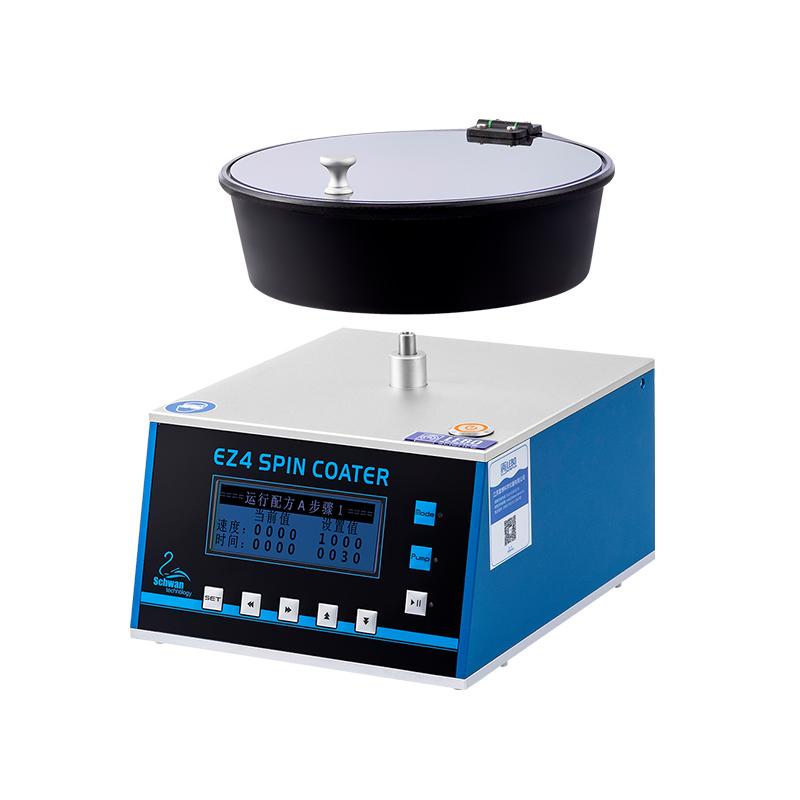
2. Classified by rotation speed
a. Low-speed homogenizer
The low-speed homogenizer is suitable for coating processes that require lower rotation speeds, typically below 1000 RPM. This type of equipment is mostly used for thick film coating or viscous photoresist applications to ensure thick coating uniformity.
b. High-speed homogenizer
The high-speed homogenizer is suitable for coating processes with high rotational speeds, usually up to several thousand RPM. The high-speed rotation allows the photoresist to diffuse quickly and evenly across the substrate and is commonly used for thin film coating and applications that require high uniformity, such as optical device manufacturing and fine patterning.
3. Categorized by degree of automation
a. Manual blender
The manual homogenizer has the rotation speed and time manually controlled by the operator, which is suitable for small-scale laboratory use and has a low cost. Although it is simple to operate, it is not suitable for production environments where high accuracy and consistency are required.
b. Semi-automatic blending machine
The semi-automatic homogenizer has certain automatic control functions, such as automatic dispensing of photoresist and automatic rotation control, which is suitable for small and medium-scale production or R&D. This type of equipment strikes a balance between automation and operational flexibility, improving operational efficiency and application consistency.
c. Automatic glue leveling machine
The fully automatic blender is capable of fully automated operations, including substrate loading, photoresist dispensing, rotary coating, and unloading. It is suitable for large-scale production, with high efficiency and reduced manual intervention. Fully automated equipment is usually equipped with advanced control systems and monitoring systems to ensure accurate execution and high-quality output at every step of the process.
4. Classification according to coating method
a. Single-coat blender
The single-coating homogenizer only coats a single photoresist at a time, which is commonly found in ordinary semiconductor and microelectronics processing processes. It is easy to operate and is suitable for common lithography process needs.
b. Multi-layer coating leveler
The multi-layer coating homogenizer is capable of coating multiple layers of different types of photoresist on the same substrate and is suitable for complex processes such as MEMS (microelectromechanical systems) and multi-layer lithography. This type of equipment requires more sophisticated control systems to ensure precision and uniformity of multi-layer coating.
5. Classification by photoresist type
a. Conventional photoresist homogenizer
Conventional photoresist homogenizers are suitable for coating ordinary photoresists and are widely used in standard semiconductor manufacturing processes. Its simple design and easy operation make it suitable for most conventional coating needs.
b. Special photoresist leveling machine
The special photoresist homogenizer is specially designed to handle special types of photoresists, such as thick photoresists, dry film photoresists, etc. Different types of photoresists require specific rotation speeds and coating techniques to ensure coating uniformity and performance.
6. Classification by use
a. R&D type blending machine
The R&D Homogenizer is designed for R&D and laboratory use, with high flexibility and a variety of experimental functions. These devices typically have a wide range of parameters to accommodate a wide range of experimental needs and process development.
b. Production type blending machine
The production homogenizer is suitable for large-scale production, with a focus on efficiency and consistency. It is designed for high capacity and high automation, suitable for 24/7 continuous operation, ensuring the efficient operation of the production line and the quality of the product.
conclusion
Homogenizers play a vital role in semiconductor manufacturing and microelectronics processing. The correct purchase of a homogenizer requires comprehensive consideration of substrate size, coating type, technical specifications, equipment quality, safety, cost and other factors. Knowing the sub-categories of blenders can help you choose the right equipment for your specific application needs, thereby improving production efficiency and product quality.


- 1Application of Spin Coater in preparation of Bi1.5MgNb1.5O7 film
- 2Automatic Film Applicator and spin coating spin coater: Key technologies and applications in industrial production
- 3Spin coatings spin coaters: principles, applications, functions and maintenance
- 4What is spin coating?
- 5Common defects in spin coating of homogenizer
- 6Four key stages of spin coating
- 7What are the common problems of spin coating experiment?
- 8Spin-on cleaning and specific cleaning steps
- 9What are the special requirements for spin-coated nanoparticles?