Measurement accuracy and efficiency of viscosity cup
Improving the accuracy and efficiency of Viscosity Cup measurements is a critical step in ensuring the accuracy of liquid viscosity. Here are some tips and precautions that can help improve the accuracy and efficiency of Viscosity Cup measurements.
Choose the right Viscosity Cup
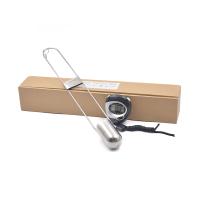
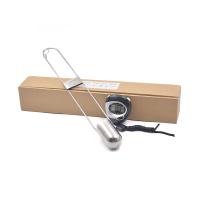
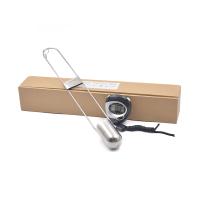
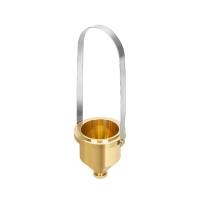
Cup type and specification selection, according to the viscosity range of the liquid to be measured, the appropriate Viscosity Cup is selected, the common ones are Fringer Viscosity Cup, Düsseldorf Viscosity Cup, etc., different cup types are suitable for different ranges of viscosity measurement.
Material and cleanliness to ensure that the Viscosity Cup material meets the chemical compatibility requirements of the measurement liquid, and to keep the cup wall clean to avoid the adhesion of impurities affecting the measurement results.
Preparation
Measure in a stable laboratory environment that avoids the effects of temperature and humidity changes on measurement results.
Make sure that the liquid to be measured is well stirred to ensure its consistency during the measurement.
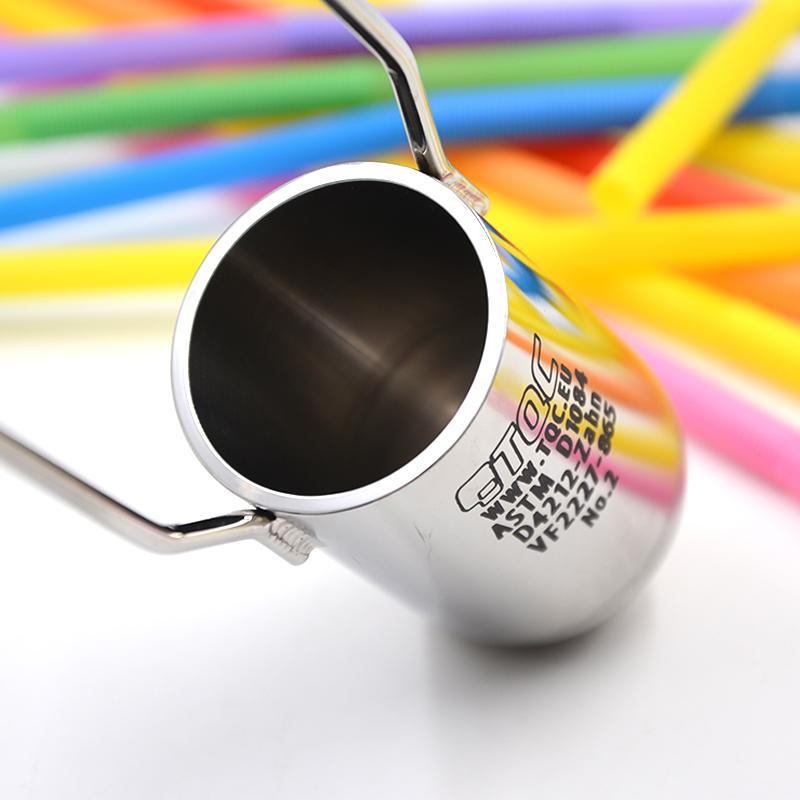
Measurement operations
fill and start time,Fill the Viscosity Cup completely with the liquid to be measured, and use a glass rod or rubber scraper to remove the excess liquid so that the liquid level is level with the mouth of the cup.
Record the time point at which the timing begins, and start the measurement.
flow control,Viscosity cup measurement relies on the velocity at which the liquid flows out of the cup, so the stability of the liquid flow needs to be controlled.
Ensure that the liquid level remains stable during the measurement process and avoid changes in the height of the liquid near the rim, which may affect the flow rate and the accuracy of the measurement results.
Data logging and analysis
Repeat the measurement multiple times
In order to improve accuracy, it is recommended to repeat the measurement multiple times, and the average value is calculated to reduce the experimental error.
Record time and temperature
Viscosity measurement results can be affected by time and temperature, so it is necessary to record the measurement start time and ambient temperature.
Precautions
Avoid bubbles and oscillations, be careful to avoid the formation of air bubbles when filling Viscosity Cups, and avoid vibrating the cups, which may affect the uniformity of fluid flow.
Pay attention to the morphology of the liquid surface and ensure that the liquid surface is smooth and flat to avoid the effect of surface tension on the flow rate.
Different types of Viscosity Cups have their specific limits and adaptation ranges, and they should be operated and selected according to the specific instructions for use.
Through the above operation points and precautions, the accuracy and efficiency of Viscosity Cup measurement can be effectively improved, and reliable and accurate liquid viscosity data can be obtained to support the needs of industrial manufacturing, scientific research and other applications.