On the relationship between ink viscosity and printing
Viscosity has always been an unavoidable performance indicator in the field of coatings and inks. The viscosity of the ink has a profound impact on the printing process and printing quality, which directly affects the transfer, transfer and final printing effect of the ink on the printing machine.
Ink viscosity and printing relationship
The excessive viscosity of the ink makes it difficult to transfer the ink on the surface of the printing plate, ink roller and printed matter, which may lead to insufficient ink volume and cause the graphic foundation of the printed matter to be bare or uneven.If the viscosity is too small, it is easy to cause the floating dirt of the ink, and even lead to the emulsification of the ink body, which affects the quality and clarity of the printed matter.When the printing speed is fast, the ink viscosity is generally required to be low to ensure that the ink can be smoothly transferred and transferred on the high-speed printing machine.When the printing speed is slow, the viscosity can be appropriately increased to ensure the stability and uniformity of the ink in the printing process.
furthermoreSlightly higher viscosity inks can usually be used for tightly structured paper to ensure that the ink can adhere to the surface of the paper well and is not prone to smudge or peeling. And forLoose paper requires a less viscous ink so that the ink can penetrate quickly and fix on the surface of the paper. And there isOverprinting inks usually require a slightly higher viscosity than base inks to ensure that overprinting inks bond well with base inks and do not fall off.Multi-color printing inks often require a high viscosity to ensure stable adhesion and color clarity during continuous printing.
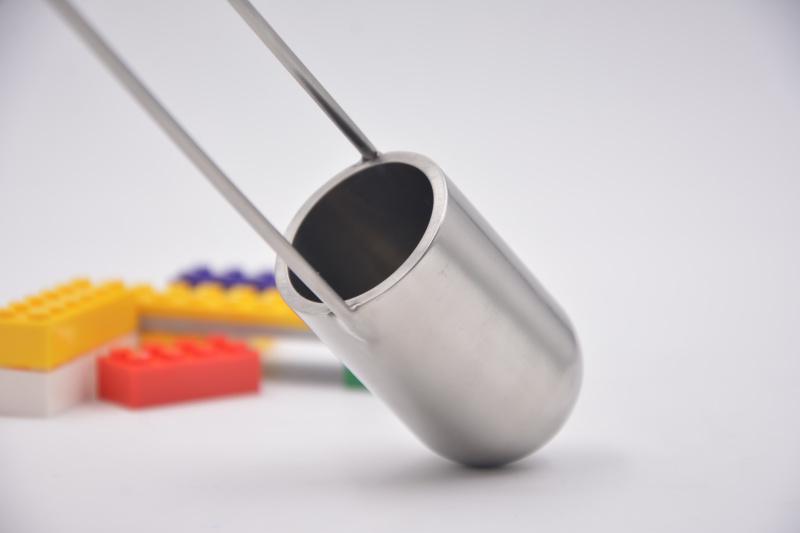
Factors that affect the viscosity of inks
The properties of the binder have a significant impact on the viscosity of the ink. Generally speaking, when the viscosity of the binder is large, the viscosity of the overall ink will increase. Different types of binders will affect the fluidity and consistency of the ink with their unique chemical properties, which will directly affect the performance and output quality of the ink during the printing process.
The influence of pigments and fillers on the viscosity of inks is mainly reflected by their particle size and dispersion. Larger particles of pigments and fillers usually result in a decrease in the viscosity of the ink, as they do not effectively increase the viscosity of the ink. Conversely, smaller particles and more evenly dispersed pigments and fillers help to increase the viscosity of the ink, as they are better distributed evenly in the binder and increase the internal friction of the fluid.
Temperature changes also have a significant effect on ink viscosity. As the temperature increases, the kinematic activity of the molecules inside the ink increases, resulting in a general decrease in the viscosity of the ink. This makes it easier for the ink to flow and transfer during the printing process. Conversely, a decrease in temperature increases the cohesion of the ink molecules, which leads to an increase in the viscosity of the ink, making it more difficult for it to flow and pass smoothly on the printing equipment.
All in all, the viscosity of the ink is an important parameter that needs to be precisely controlled according to the specific printing conditions and requirements. Different printing methods and printing varieties have different requirements for ink viscosity, and the correct selection and adjustment of ink viscosity is a science!