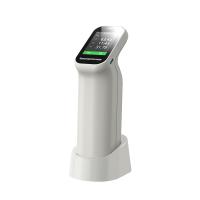
What is color difference and what is color reader
Chromatic aberration refers to the color difference between an object or sample and a standard color, and can also be understood as a color change under a specific light source. This change can be caused by a variety of factors, such as the color of the sample itself, the type and intensity of the light source, reflected light in the environment, etc.
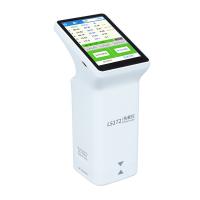
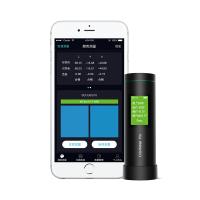
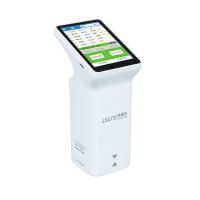
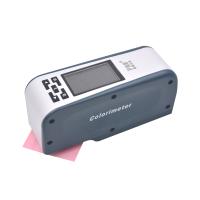
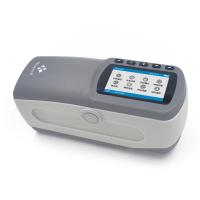
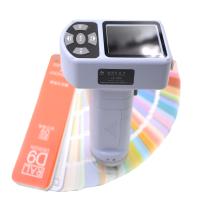
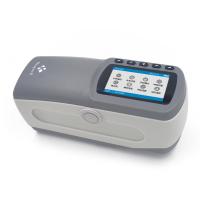
To quantitatively measure color differences, a Colorimeter can be used. A Colorimeter is an instrument used to measure the color difference of an object or sample. It is capable of quickly and accurately measuring the color of an object or sample and comparing it to a standard color to determine the value of color difference between them.
A Colorimeter usually consists of a light source, a dispersion system, and a Detector. When used, the instrument is placed on the object or sample to be measured, and an optical system is used to obtain the color information of the object or sample. The color information is then transmitted to the Detector for analysis to determine the difference between it and the standard color.
Colorimeters are widely used in many industries, such as printing, coatings, textiles, plastics and food. The use of Colorimeters can effectively control the color quality of products and ensure color consistency between different batches.


- 1Color difference meter and its application in Coating production
- 2Application of color reader in paper color difference control
- 3Principle, characteristics and application of Spinning & weaving precision color difference instrument
- 4Detection of film color retention with color reader
- 5Optical inspection structure for color readers: D/8 D/0 45 °/0
- 6Application of color reader in inks industry
- 7What is the difference between tristimulus Colorimeter and Colorimeter?
- 8FAQ of computer color reader and its solution
- 9Tristimulus Colorimeter:principle, application, operation and selection