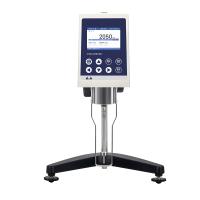
Spinning & weaving dyeing and finishing auxiliary viscosity determination technology
In the textile dyeing and finishing industry, viscosity is one of the important physical indicators to evaluate the flow characteristics of dyes and additives. Accurate determination of viscosity is essential for the control of the production process and the assurance of product quality. This article will introduce in detail the method of determining the viscosity of textile dyeing and finishing auxiliaries using a Rotational Viscometer and its related technical points.
1. Definition of viscosity
Viscosity is a measure of the resistance that arises when a fluid moves relative to each other within it. In textile dyeing and finishing, the viscosity of various liquid additives such as dyes, dispersants and additives directly affects their fluidity and uniformity in production. Therefore, accurate determination of viscosity is a critical step in ensuring dye formulation stability and process consistency.
2. Determination method
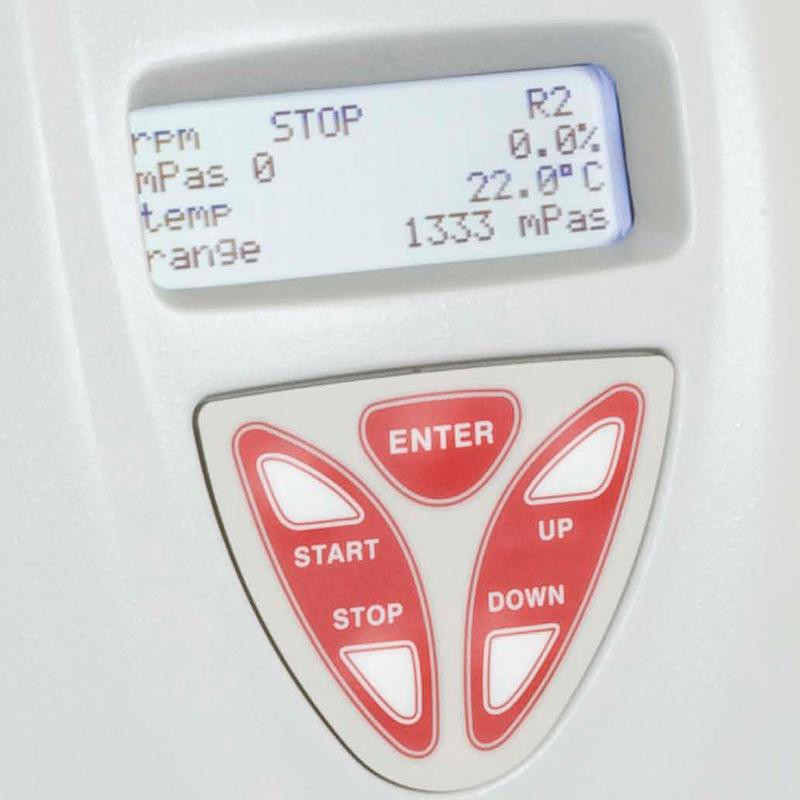
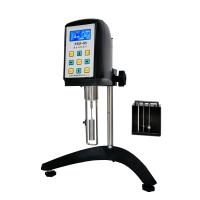
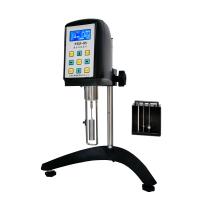
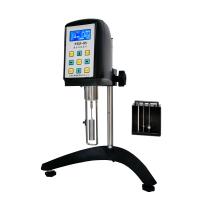
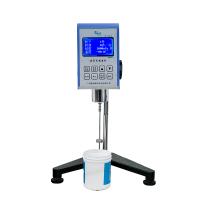
A Rotational Viscometer is a commonly used viscosity measuring instrument that works on the principle of frictional resistance within a fluid. When the liquid is placed in a Rotational Viscometer, the rotating rotor experiences a resistance in the liquid, which is displayed as a numerical value by a dial on the rotor that reflects the dynamic viscosity of the liquid.
3. Preparation before measurement
Before performing viscosity determination, preparation is requiredSpecimen Handling,The solution is prepared and controlledConstant temperature conditions.
(1) The liquid additives sample should be fully shaken before the determination to ensure that the composition is uniform.
(2) For solid additives, it is necessary to prepare a certain concentration of aqueous solution according to actual needs. This step is typically based on standard operating procedures to ensure accurate and consistent concentrations.
(3) The temperature during the determination should be controlled between 20°C and 80°C, and it can be accurately maintained within the range of ±0.1°C to ensure the accuracy and repeatability of the measurement results.
4. Detailed explanation of the measurement steps
(1) According to the estimated viscosity range, select the appropriate rotor type and rotation speed so that the measurement range falls between 20% and 80% of the dial to obtain accurate readings.
(2)Carefully pour the thermostat sample into the assay vessel, avoiding air bubbles, until the liquid level reaches the edge of the vessel's conical face.Insert the selected rotor into the sample, make sure the rotor is completely submerged in the liquid, and start the Rotational Viscometer.Wait for the rotor to reach a steady state and record the reading of the pointer on the dial. In general, the duration of a stable reading should be in accordance with the recommendations in the equipment operating manual.Each sample is assayed at least three times to obtain a stable and reliable average.
5. Result processing and analysis
Based on the scale readings and rotor factors obtained, the dynamic viscosity η is calculated according to the following formula:
η=F×A
where F is the rotor factor and A is the scale reading. The final measurement results should be processed in accordance with the revision rules in GB/T 8170-2008 to ensure the accuracy and comparability of the results.
Through the above steps, the viscosity of textile dyeing and finishing auxiliaries can be accurately determined, providing important technical support and quality assurance for the production process. Viscosity determination not only helps to optimize the process, but also ensures the stability and consistency of the product during the production process.



- 1Rotational viscometer - principle, classification, application and calibrating
- 2Application of NDJ-8S digital Rotational Viscometer in viscosity measurement of cosmetic raw materials
- 3NDJ-5S digital Rotational Viscometer accurate measurement of natural oil viscosity
- 4Application of HBDV-1H swirl/spin High Temperature Viscometer in Viscosity Determination of Plastic Particles
- 5Rotational viscometer selection guide: How to choose the right viscosity equipment for you?
- 6Principle, type and accuracy control of Rotational Viscometer
- 7Which Viscometer to Choose for Licorice Extract Viscosity Testing? How to Test?
- 8Application of Rotational viscometer in Waterborne Polyurethane Adhesive
- 9Application of Rotational Viscometer in cellulose material