Coating surface roughness testing
In modern industrial production, the application of coating technology is becoming more and more extensive, whether it is an aesthetic decorative coating or a functional wear-resistant coating, there are strict requirements for the quality of the coating surface. The appearance quality and surface roughness of a coating have a direct impact on its performance and durability. Therefore, accurately evaluating and controlling the roughness of the coating surface has become one of the key links to ensure the quality of the coating. This article will discuss the definition of coating surface roughness, inspection methods, and its relationship with surface defects, and the visual inspection of coatings is one of the important steps to ensure the quality and performance of coatings. The roughness of the coating surface directly affects its finish and functional properties, so accurate roughness measurement is particularly necessary.
1. Definition and significance of coating surface roughness
Coating surface roughness refers to the microgeometric properties of the coating surface, including the spacing and height difference between the peaks (high points) and troughs (low points). The roughness of a surface is usually characterized by a Ra value (arithmetic average of the profile), with a smaller Ra value indicating a smoother surface。 These tiny undulations form the profile of the surface, and the flatness of the surface can be quantified by measuring the average of the distances from each point on the profile to the midline (Ra value). A smaller Ra value indicates less fluctuation in the surface, which generally means a smoother, smoother surface for coating applications that require high aesthetic and functional properties.
Roughness has a profound impact on coatings, not only determining their appearance quality, but also directly affecting their functional performance. In industrial applications, precise control of the roughness of the coating can improve its functional properties such as wear resistance and corrosion resistance, and ensure the stability and durability of the coating under various environments and conditions of use. Therefore, the definition and accurate measurement of roughness is essential for coating manufacturing and quality control.
2. Roughness detection method
(1) Comparative method (model control method)
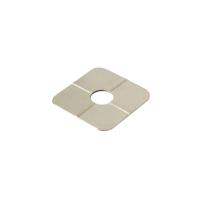
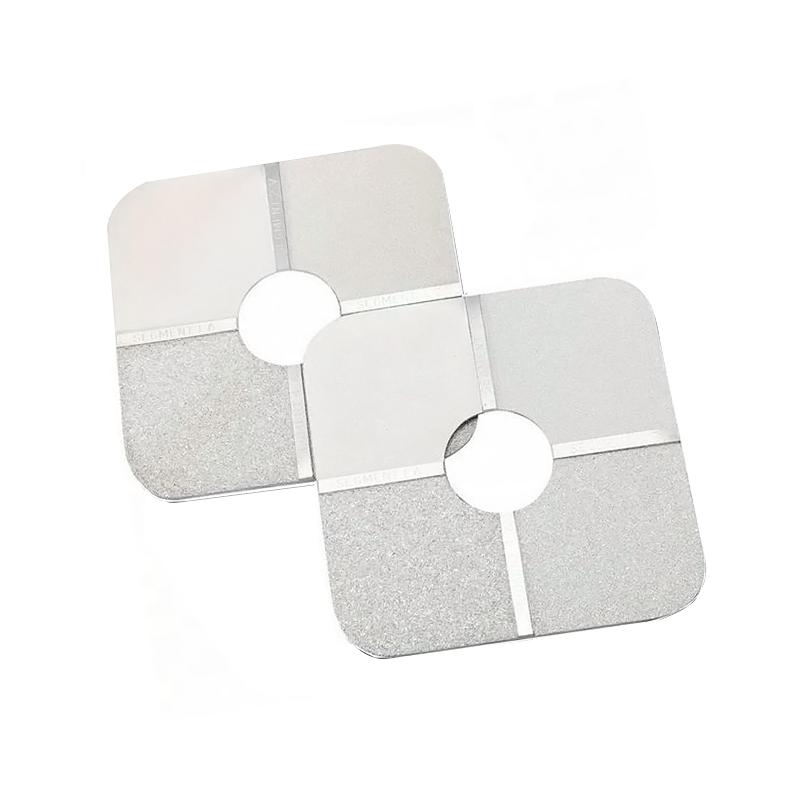
The comparative method (sample control method) is a qualitative inspection method that evaluates the roughness level of the surface of the coating to be tested by direct comparison with a standard sample. It is easy to use and suitable for preliminary roughness assessment and quality control, but the results are relatively subjective and do not provide accurate numerical data. This method relies on the experience and visual judgment of the operator and is suitable for some simple quality control needs and rapid inspections in a real-time production environment.
(2) Profilometer measurement method
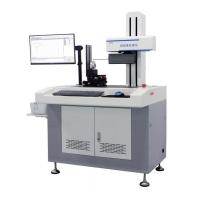
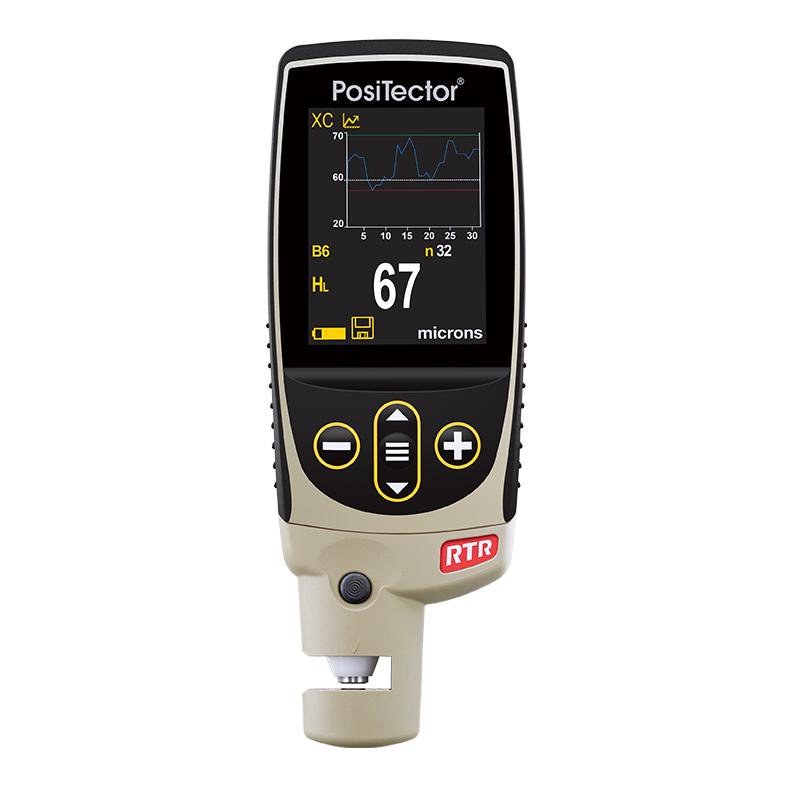
The profilometer measurement method is a quantitative contact measurement method for accurately measuring the roughness of a coating surface. Mechanical or electric profilers are usually used. In this method, the geometric information of the peaks and troughs is obtained by measuring the small displacement of the sensor as it moves on the coating surface, and then the Ra value is calculated. This highly accurate measurement method is suitable for high-precision measurements with high roughness requirements, such as in research laboratories, quality control centers, and quality control and process optimization in coating production.
Surface defects in coatings, such as pinholes, peeling, and pitting, not only negatively affect the appearance quality, but can also lead to an increase in surface roughness. Therefore, it is important to exclude the effects of these surface defects when performing roughness inspections to ensure the accuracy and reliability of the measurement results.The control of coating roughness is not only applicable to decorative coatings, but is also essential for functional coatings such as wear-resistant coatings and anti-corrosion coatings. Through accurate roughness inspection, the durability and performance of coatings can be significantly improved to meet the stringent requirements of various industrial applications.This shows that the inspection of coating surface roughness is not only a critical step in ensuring product quality, but also that different inspection methods are suitable for different needs and accuracy requirements.
-
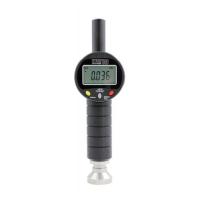
![IPRE SR600 anchor pattern instrument shot peening sand blasting Roughness Gauge 0~2000a large range]()
-
![IPRE RA150 asperity Profile Gauge resolution 0.02μm]()
-
![TQC LD2050 surface roughness comparator]()
-
![PRSR200 Roughness Gauge supports 16 measurement parameters]()
-
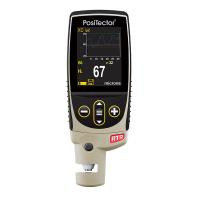
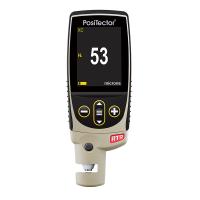
![Defelsko PosiTctor RTR H3 Advanced Surface Profile Roughness Gauge]()
-
![Defelsko PosiTctor RTR H1 Roughometer Standard]()
-
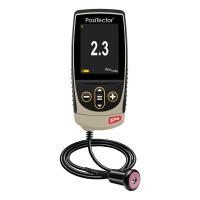
![Defelsko SPGCS3 Advanced Surface Profile Roughness Gauge Texture Coating]()
-
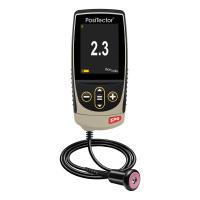
![Defelsko SPG CS1 surface roughness meter for Coating asperity measurement]()
-
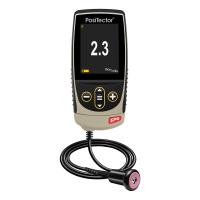
![Defelsko SPG S1 split Roughness Gauge]() Defelsko SPG S1 split Roughness Gauge$ 1039.00
Defelsko SPG S1 split Roughness Gauge$ 1039.00