Coating transparency testing method
The transparency of a paint refers to the ability of a paint or related product to transmit light. Specifically, transparency reflects the degree to which light is weakened as it travels across the surface of the paint, i.e., the penetrating and scattering properties of the paint to light. Paints with high transparency can let more light pass through and maintain its original brightness and clarity, forming a transparent and clear effect; Paints with low transparency may cause light to be absorbed or scattered more during propagation, resulting in visual cloudiness and opacity.In practical applications, transparency not only affects the aesthetics and visual effect of the coating, but also directly relates to the functionality and protective performance of the coating. For example, in wood coating, highly transparent varnishes can effectively protect the surface of the wood and show its natural grain and color; In automotive paints or home décor, coatings with high transparency can enhance the gloss and texture of the product, and enhance the overall appearance of the sense of quality.
Transparency is usually measured using both visual and instrumental methods. Visual inspection is used to assess transparency by directly observing the degree to which a paint is transmitting light, and is often used for simple quality control and initial evaluation. The instrument rule is to use precision instruments such as photoelectric Turbidity Meters to accurately calculate transparency by measuring the scattering of light in the coating, which is suitable for precision applications and scientific research with high transparency requirements.
Transparency detection methods
1. Visual inspection
Visual inspection is one of the most common methods of transparency detection. According to the GB/T 1721-2008 standard, "Determination of the appearance and transparency of varnishes, clear oils and diluents", the specimens were packed in a 25mL colorimetric tube, adjusted to a temperature of (23±2) °C, and compared with a series of standard solutions with different turbidity levels under transmitted light in the dark box. According to the transparency, the results are divided into three grades: transparent, slightly cloudy, and cloudy, corresponding to grade 1, 2, and 3 in the standard, respectively.
2. Instrument method
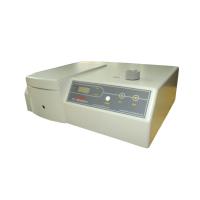
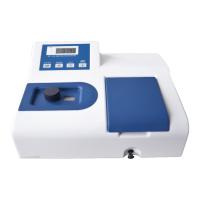
The instrumental method uses a photoelectric Turbidity Meter to eliminate the error of subjective judgment of the human eye and improve the accuracy and repeatability of the measurement. The photoelectric Turbidity Meter measures the light scattering caused by impurities or suspended solids in the sample, using a frosted plexiglass rod with a refractive index of approximately 1.5 as the standard turbidity of 100, and zero calibration with distilled water. The measurement results are expressed in numerical form, which directly reflects the degree of transparency of the specimen.
Transparency testing of coatings is not limited to product quality control, but also plays a key role in the selection of raw materials and the optimization of production processes during the R&D phase. The highly transparent product can maintain the clarity and brightness after film formation, and improve the visual effect and market competitiveness of the product. Transparency measurement is also an important tool for evaluating coating formulation optimization and production process control, helping manufacturers improve product quality and meet customer needs.Transparency is an important parameter of coating performance, and the selection and implementation of its detection method are directly related to the quality and market competitiveness of the product. Accurate and reliable transparency testing methods can effectively guide the optimization and control of the production process to ensure that the coating product performs better in the market.
-
![PUSHEN PU-3300 transparency Tester]() PUSHEN PU-3300 transparency Tester$ 729.00
PUSHEN PU-3300 transparency Tester$ 729.00 -
![Shanghai PUSHEN PU-3300 transparency Tester Wavelength range 340~1000nm]()
-
![Transparency Tester RJD-412 RONGJIDA Test accuracy +/- 1% varnish/oil, etc]()