Laboratory Technology and Application of Polyvinyl Alcohol Film Coating on Ultrafiltration Membrane
In the laboratory, coating a polyvinyl alcohol (PVA) film onto an ultrafiltration membrane is a common technical method to improve the performance of the membrane. Ultrafiltration membranes have a wide range of uses in a variety of applications, such as water treatment, pharmaceutical, food, and industrial applications. By coating PVA, the anti-fouling performance and selectivity of ultrafiltration membranes can be significantly improved, thereby extending their service life and enhancing their filtration efficiency.
The thickness of the coating layer needs to be considered before performing experiments with ultrafiltration membranes coated with PVA films. In general, the dry film thickness of the coating layer usually varies between a few nanometers to a few microns, depending on the application and the structure of the membrane. For example, in water treatment applications, coating thicknesses between 50 nm and 200 nm are generally recommended to ensure that the membrane effectively filters organics and microorganisms from the water.
In order to evaluate the performance of ultrafiltration membranes after PVA coating, a variety of performance tests are required. These tests include, but are not limited to, pore size and pore size distribution tests of membranes, water permeability tests, anti-fouling performance tests, mechanical strength tests, chemical stability tests, thermal stability tests, selectivity tests, and surface property tests. Each test is designed to evaluate the specific effect of the coating on the film's performance, ensuring its stability and effectiveness in real-world applications.
In the laboratory, choosing the right coating equipment is crucial. Commonly used coating equipment includes rotary coaters, squeegee coaters, dip coaters, sprayers, and solvent evaporation coaters. These devices can precisely control the thickness and uniformity of the coating layer according to the experimental requirements, thus ensuring the accuracy and reproducibility of the experimental results.
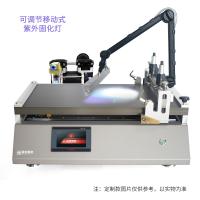
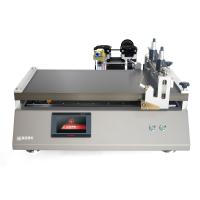
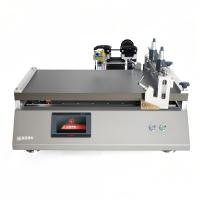
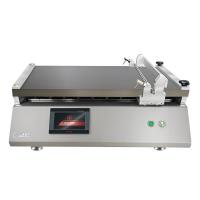
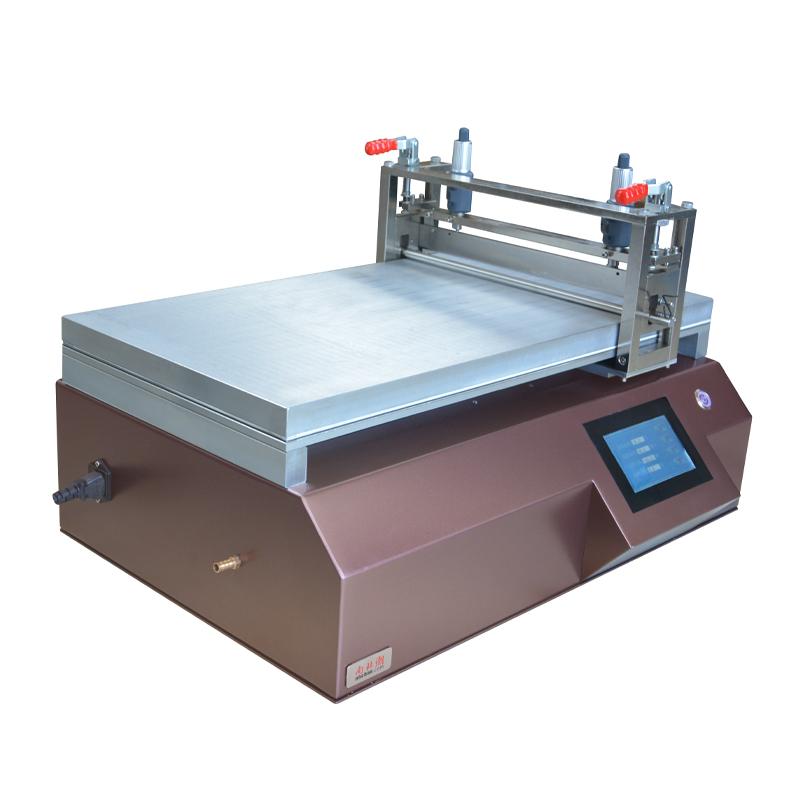
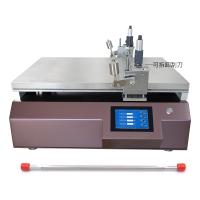
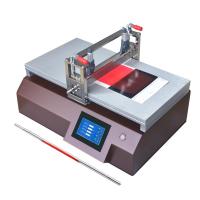
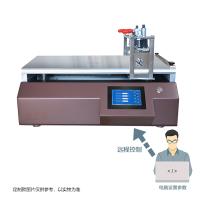
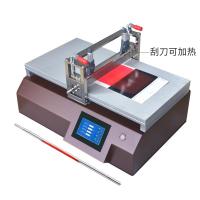
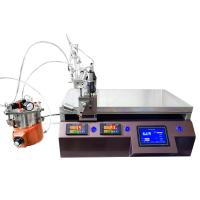
In the user case of the North and South Tides, the customer chose the wire rod scraper film coating machine for scraping, and the film coating machine with vacuum adsorption function was used, which could fix the substrate more smoothly and firmly to ensure the flatness of the film substrate.
In conclusion, the coating of PVA membranes with ultrafiltration membranes is a key laboratory technology that can improve the functional properties of ultrafiltration membranes and adapt them to different application needs. Through scientific experimental design and rigorous performance testing, it can provide a solid foundation for the optimization and application of ultrafiltration membranes. This method not only has an important application in laboratory research, but also provides strong support and application prospects for the development of practical industry and science and technology.

- 1How Flat Film Applicators Can Build a New Generation of Functional Materials on Fabrics
- 2NVP anode film FAQ and solution
- 3Application Technology of Laboratory Film Applicator in Dielectric Thin Film
- 4Comparison of Advantages and Disadvantages of Three Heating modes for Laboratory Film Applicators
- 5Application and selection of laboratory coater in PDMS thin film prepative
- 6Scraping machine selection case: film substrate large size high accuracy scraping solution
- 7Application of Laboratory Automatic Film Applicator in Coating Battery Slurry on Copper Foil and Aluminum Foil
- 8Application of Film Applicator in PEM Research and Preparation
- 9Application of Film Applicator in PVDF-HFP Material Research