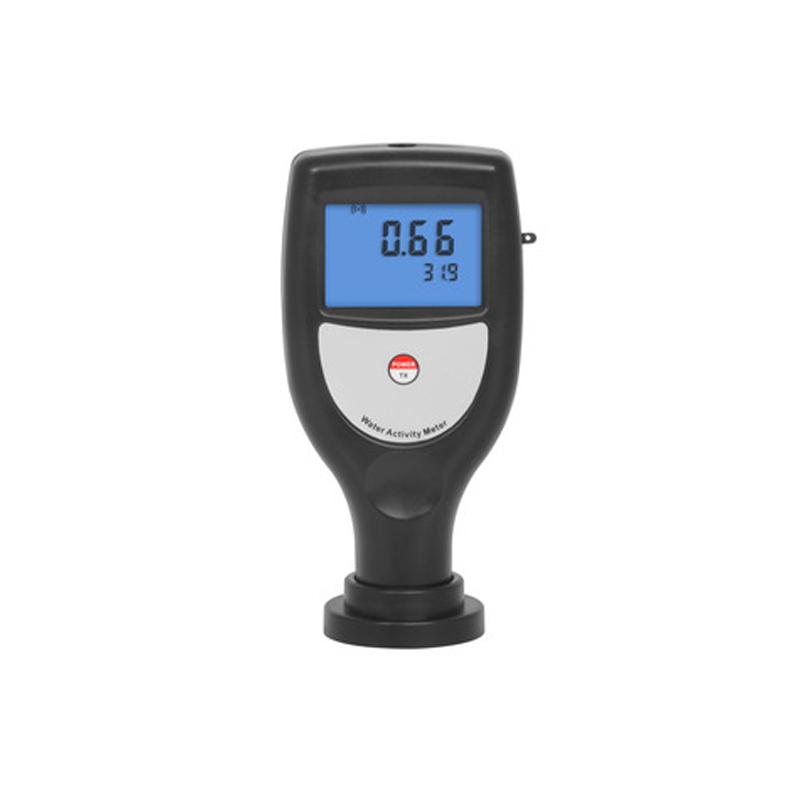
The specific application of water activity detection in the food industry
Water activity refers to the availability of water in food, i.e. how active water is, and unlike water content, it focuses on whether water can be used by microorganisms in food.Water activity testing plays a key role in the food industry, mainly to assess the quality, safety and storage stability of food. It not only helps producers control the growth of microorganisms and maintain the quality and safety of food, but also optimizes production processes, extends shelf life, and complies with regulatory requirements. Through effective water activity management, food producers are able to improve product quality, reduce waste, and ensure a safe and quality food experience for consumers. In general, the main significance of water activity testing for the food industry is as follows.
Prevents microbial growth
Water activity directly affects the growth and reproduction of microorganisms in food. Most bacteria, molds, and yeasts require a certain level of water activity to grow. By testing water activity, food producers can determine if the moisture content of a food is low enough to inhibit the growth of microorganisms, thereby improving the safety and shelf life of the food.
Control food quality
Water activity not only affects the growth of microorganisms, but also has an important impact on the texture, taste and stability of food. For example, a low water activity can keep a food product brittle, while a high water activity can cause the food to become moist and sticky. By controlling water activity, producers can maintain the consistency and desired quality characteristics of their food.
Extend the shelf life of food
Reducing water activity is an effective way to extend the shelf life of food. By regulating water activity, producers can reduce the risk of spoilage and spoilage of food, thereby extending the storage time of food. This is especially important for many dry goods, snacks and preserved foods.
Optimize recipes and production processes
Water activity testing helps to optimize food formulations and production processes. By testing water activity under different raw materials and process conditions, producers can adjust formulations and processes to achieve optimal food quality and performance.
Comply with regulatory and standard requirements
Food regulations and standards in many countries and regions require water activity control to ensure the safety and stability of food. With water activity testing, food manufacturers can ensure that their products comply with relevant regulations and standards, thereby avoiding legal risks.
Reduce food waste
Water activity testing helps reduce waste due to spoilage or premature failure of food. By precisely controlling and monitoring the water activity of food, producers can ensure that food remains in optimal condition during its shelf life, thereby reducing waste due to food quality issues.
Improve packaging and storage
Knowing the water activity of a food can help select appropriate packaging materials and storage conditions to protect the food from moisture and environmental changes. For example, for foods with high water activity, it may be necessary to use moisture-resistant packaging materials and control the humidity of the storage environment.