Coating thickness Measuring method (Dry-Film + wet-film)
During the production, inspection and application of coatings, measuring the thickness of coatings is essential to ensure compliance with specifications and achieve desired performance characteristics. Various physical properties and durability tests of coatings require precise control of their thickness. Deviations in thickness can significantly affect the performance of coatings, so accurate measurement methods are essential.
Coating thickness measurement method
Coating thickness can be measured using different instruments and methods, depending on factors such as the test environment (lab or field), the substrate material (metal, wood, glass), surface condition (flat, rough, flat, curved), and coating state (wet or dry).
1. Measurement of wet film thickness
The measurement of wet film thickness is essential to verify the coating rate at the time of application and to ensure the total dry film thickness after application. This measurement must be taken immediately after the coating is applied to avoid shrinkage due to evaporation of volatile solvents.
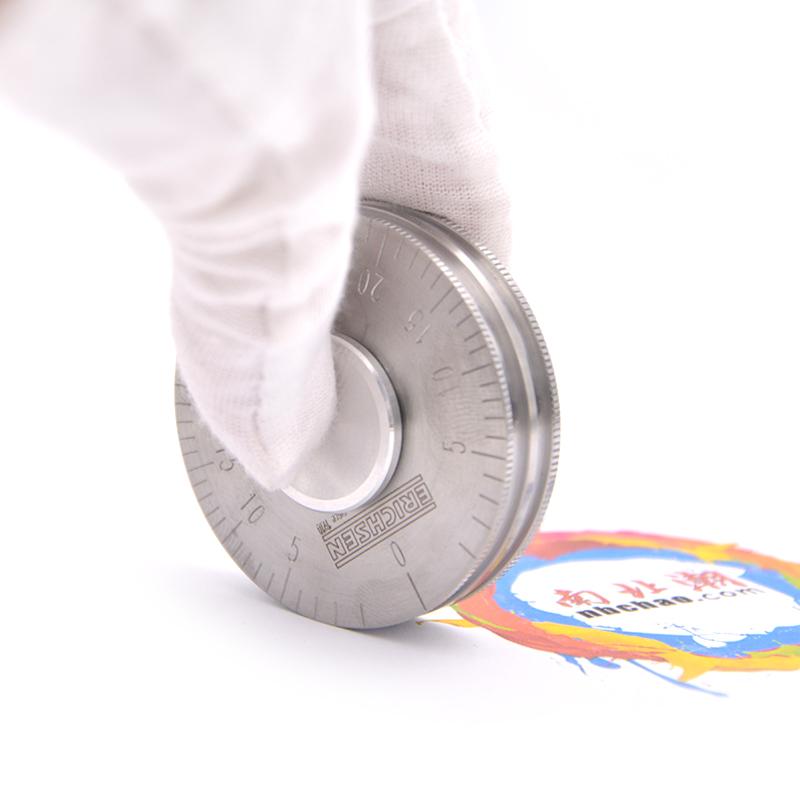
(1) Wheel gauge law
Using a concentric wheel with a scale, the maximum depth at which the coating can be wetted is measured by rolling it over the surface and reading the scale. The wet film thickness is derived by calculating the arithmetic mean of these readings.
(2) Comb regulation law
Using a comb-like tool with a series of scales, the wet film thickness is measured by dragging it through the wet coating and measuring the deepest part of it that is wet.

2. Measurement of dry film thickness
Dry film thickness is measured using a variety of non-destructive and mechanical methods, each suitable for different applications:
(1) Non-destructive methods
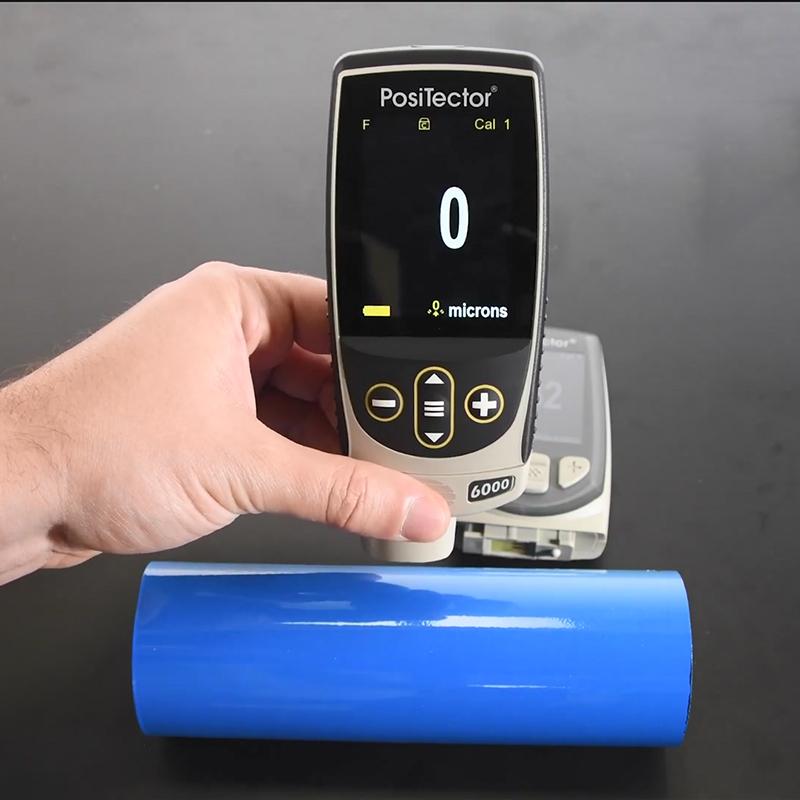
Magnetic Measurement:It is suitable for measuring the thickness of non-magnetic coatings on magnetic substrates.
When measuring the thickness of non-magnetic coatings on magnetic substrates, magnetic measurement is an effective option. This method uses the principle of magnetic induction to determine the thickness of the coating by measuring the change in the magnetic field in the substrate. By placing a magnetic sensing instrument on the surface to be measured, the coating thickness can be measured quickly and accurately, which is suitable for applications where the magnetism of the substrate needs to be maintained.
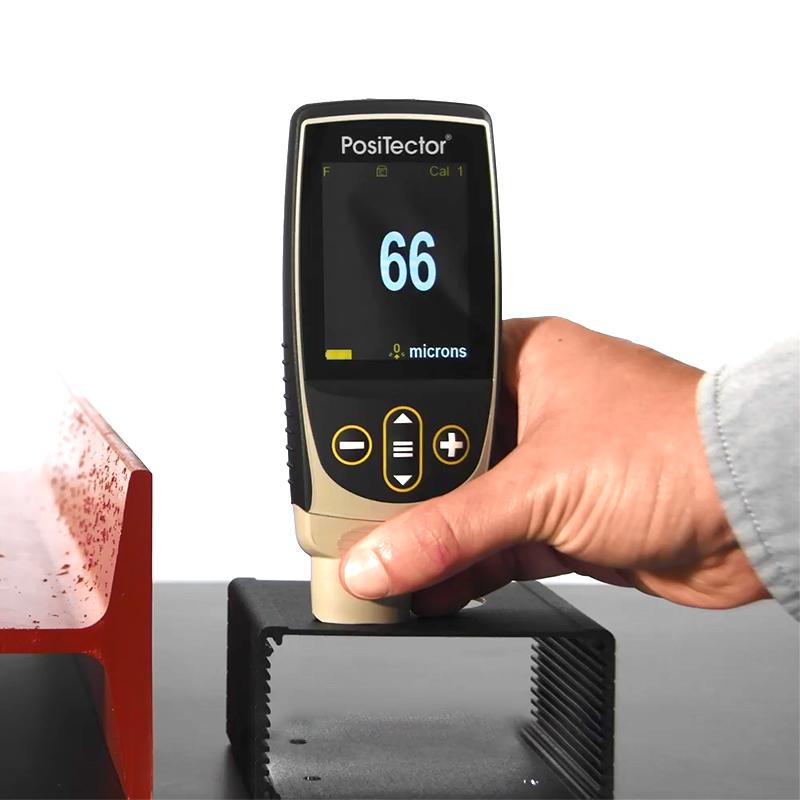
Eddy current measurement:Electromagnetic fields are used to measure coating thickness on non-ferrous substrates.
Eddy current measurement is a non-destructive method commonly used to measure coating thickness on non-ferrous substrates. This method uses eddy currents generated by alternating electromagnetic fields in conductive materials to measure the thickness of coatings. By analyzing the inductive changes in eddy currents, the thickness of the coating can be determined, which is suitable for situations where the properties of the substrate material need to be maintained, such as aluminum, copper, etc.
β-ray backscatter method:Coating thickness is measured by analyzing backscattered β particles.
The β-ray backscatter method measures the thickness of the coating on an opaque material by introducing β rays. In this method, β particles pass through the coating and backscatter on the substrate, and the pattern of backscattering can be used to calculate the thickness of the coating. This method is ideal for coatings that need to be measured with large thicknesses, rough surfaces, or complex shapes, providing high accuracy and accurate measurement results.
(2) Mechanical methods
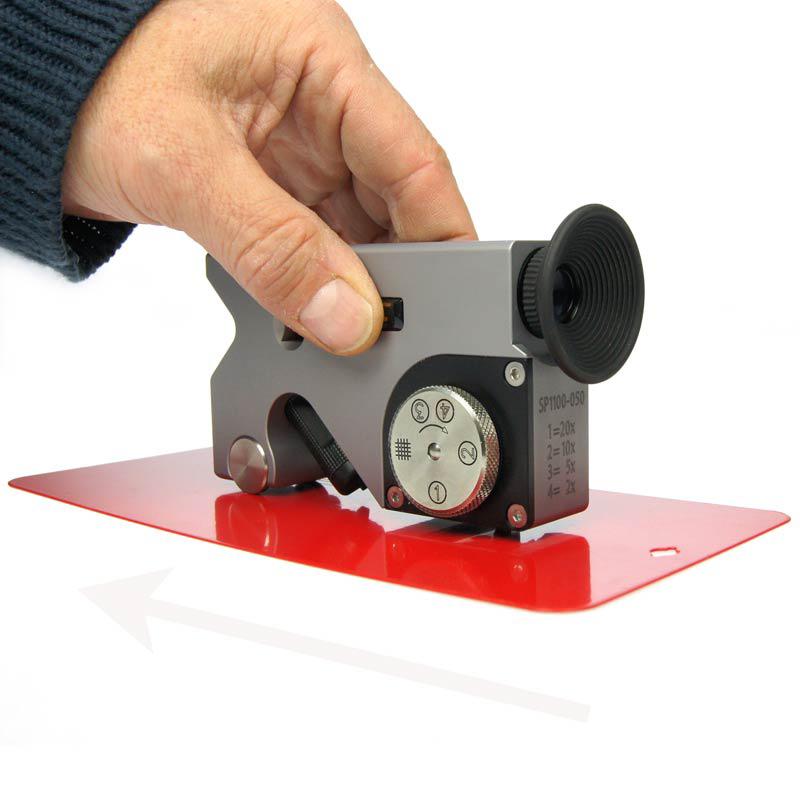
Microscopy:The coating thickness is measured by cutting the V-shaped notch and measuring its width.
Microscopy is a commonly used mechanical measurement method to measure the thickness of coatings. This method determines the thickness of the coating by cutting a V-shaped notch on the surface of the coating and then using a microscope to measure the width of the notch. This involves selecting the right angle of the tool, cutting the V-notch to the substrate, and then reading the coating thickness directly through a microscope. This method is suitable for applications that require high-precision measurements, especially for complex shapes and fine coatings.
Each method has its own specific advantages, and choosing the right one depends on the substrate material and the required measurement accuracy.Accurate coating thickness measurement is an integral part of the coatings industry. With the right measurement technology and instrumentation, the coating application process can be effectively optimized to ensure that every step of the process meets the specifications. This not only improves the quality and reliability of the product, but also reduces production costs and maintenance expenses
