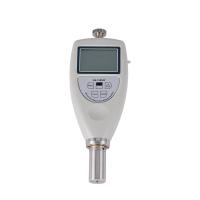
Significance and importance of wood surface hardness testing
Wood surface hardness testing is widely used in practical applications, involving furniture manufacturing, floor installation, construction engineering, wood processing and other fields. The following is a brief introduction to the specific application examples and importance of wood surface hardness testing in these fields.
Furniture manufacturing
When making high-end furniture such as cabinets, tables, and chairs, the hardness of the wood is tested to ensure that the surface of the furniture is sufficiently resistant to abrasion. This helps to avoid scratches or wear and tear on the furniture during daily use.During the production process, the wood is hardness tested to ensure that each batch of wood meets the design specifications. Wood with consistent hardness ensures the quality and consistency of the furniture.Choose the right wood according to the design requirements of the furniture. For example, high-hardness wood is suitable for furniture that is used frequently, while low-hardness wood may be used for more decorative furniture.
Floor installation
Test the hardness of wood flooring to evaluate its wear resistance. For high-traffic areas, such as commercial establishments or domestic activity areas, choosing a harder floor can extend its lifespan.Different timber hardness is suitable for different types of flooring installation projects. For example, hardwood flooring is suitable for areas with high usage frequency, while cork flooring is suitable for areas with low usage frequency.
Construction
The hardness of timber is tested in construction projects to ensure that its application in the structure meets the design requirements. For example, timber for beams and columns needs to be hard and strong enough to support the weight of the building.Hardness testing of decorative woods (e.g., boards, strips) to ensure their aesthetics and durability. For example, harder wood is suitable for flooring and wall panels, while softwood is suitable for decoration.
Wood processing
Hardness tests are carried out during wood processing processes such as sawing, sanding, finishing to ensure that the processed wood meets the expected hardness standards. For example, the hardness of wood affects how easy it is to cut and sand,Adaptation of the machining process based on hardness test results, e.g. optimization of cutting tool selection and adjustment of machining parameters.
Research and education
In wood science and materials engineering research, hardness testing is an important experiment to evaluate the properties of wood. Researchers use this data to develop new materials or improve existing ones.Hardness testing provides students with hands-on experience that helps them understand wood properties and testing techniques.

Wood surface hardness testing plays a vital role in practical applications. Through accurate hardness testing, producers, designers and engineers can ensure the quality, performance and suitability of wood products. This not only improves the durability and aesthetics of the product, but also optimizes the production process and material selection to meet the needs of different application areas.