Principle, classification, application and selection of temperature Recorder
I. Introduction
A temperature logger is a device used to monitor, record and store temperature data, which is widely used in industrial production, laboratory research, cold chain transportation and other fields. Its main role is to continuously monitor the temperature changes of the environment or equipment through automation, ensure the accuracy and traceability of temperature data, and provide key support for quality control, process management and safety assurance.
Temperature Recorders are becoming increasingly important in various industries. For cold chain transportation, the temperature logger ensures that the temperature of sensitive products such as food and medicine is always within a safe range during transportation; In industrial production, temperature monitoring is essential for the stability of the process; In the laboratory, temperature loggers ensure the accuracy of experimental data.
The purpose of this article is to explore the basic principles, classifications, key technical indicators and application scenarios of temperature loggers in different industries, and to provide readers with practical guides on how to choose the right temperature logger.
Second, the basic principle of the temperature Recorder
The working mechanism of the temperature logger is based on the sensitive response of sensors to temperature changes, which convert the temperature signal into an electrical signal, which is recorded and stored by a data processing unit. Common types of sensors include thermocouples, which measure temperature through potential differences between the contact points of different metals, and RTDs, which measure temperature through the resistance value as a function of temperature.
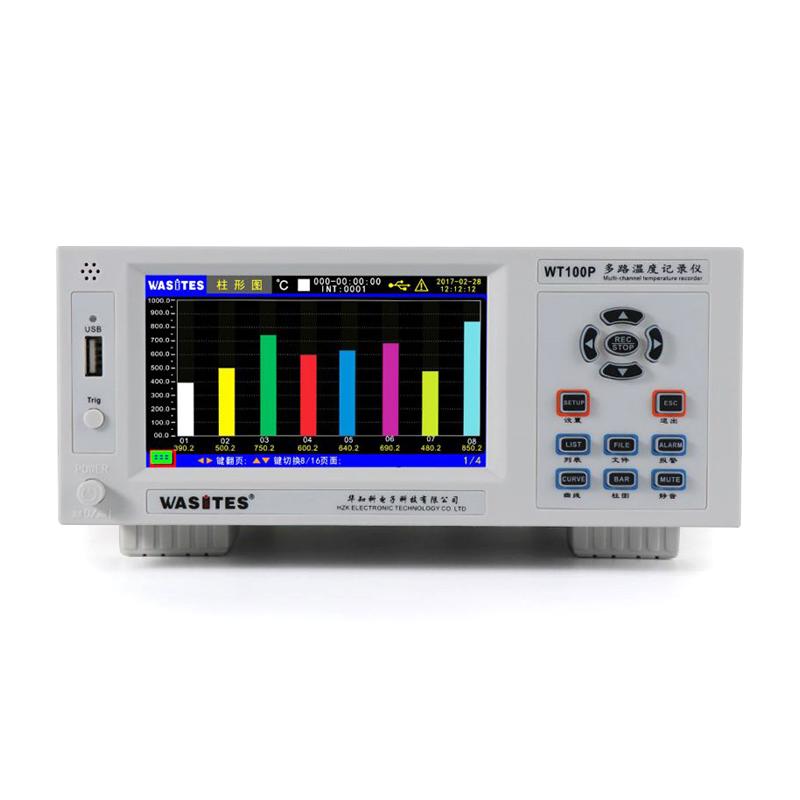
In the data acquisition and processing process, the electrical signal collected by the sensor is enhanced by a signal amplifier and then converted into a digital signal by an analog-to-digital converter (ADC). These digital signals are calculated and corrected by the processor, and the final temperature data is recorded and displayed on the device interface or exported via the data interface for further analysis. The entire process ensures the accuracy and continuity of the temperature data.
3. Types and classification of temperature loggers
The classification of temperature loggers can be divided from multiple dimensions, including the number of channels, application scenarios and functional characteristics. Each classification reflects the suitability and specific functional needs of the device in different use environments.
Classification by number of channels:
(1) Single-channel temperature logger
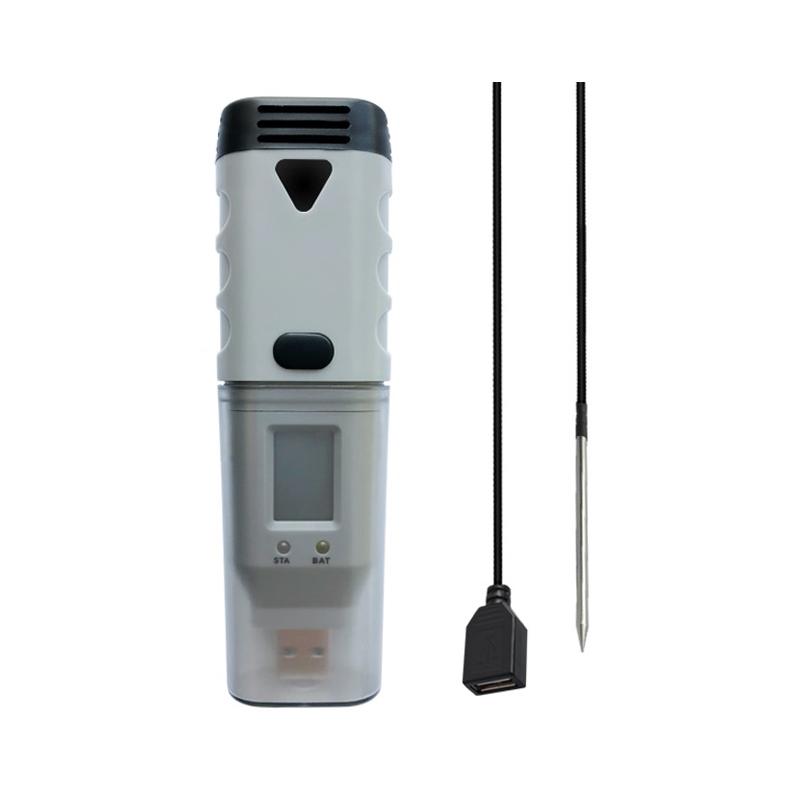
The single-channel temperature logger is equipped with a temperature sensor and is mainly used to monitor the temperature at a single location. They are typically small in size, easy to install and operate, and suitable for temperature monitoring over a small area or at a single measurement point, such as the temperature inside a refrigerated cabinet, experimental sample, or equipment.
(2) Multi-channel temperature logger
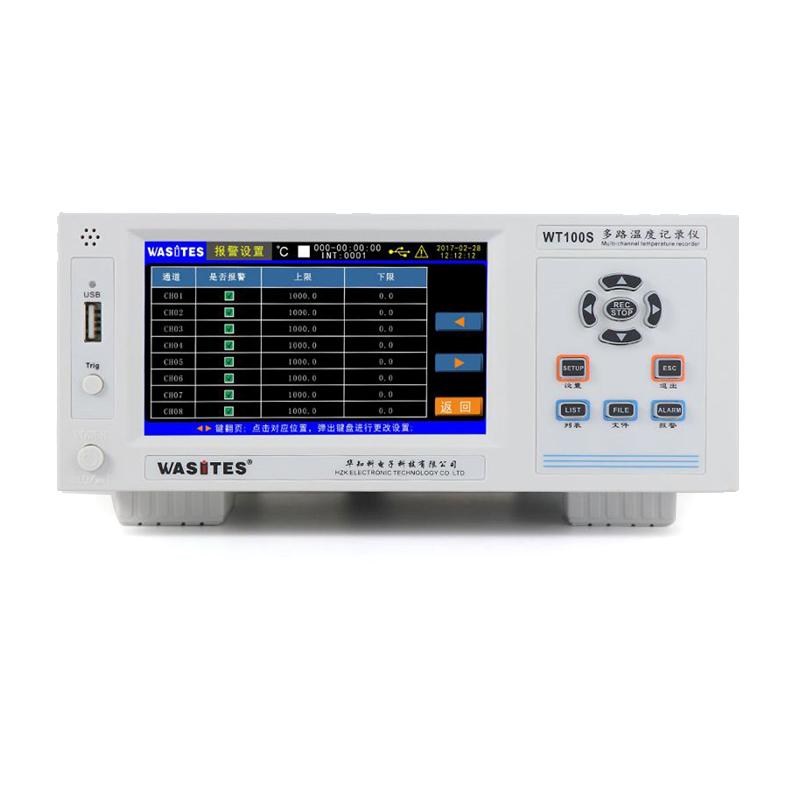
Multi-channel temperature loggers are capable of monitoring multiple temperature points at the same time, often with multiple sensor input channels, and support for different types of sensors. Multi-channel devices are suitable for scenarios that require simultaneous monitoring of multiple locations or complex systems, such as industrial production lines, laboratory experiments, and temperature distribution monitoring inside buildings. Multi-channel devices often have greater data processing power and storage capabilities, and are able to integrate multi-point temperature data for comprehensive analysis.
Classification by application scenario:
(1) Industrial use
Industrial temperature loggers are typically highly resistant to interference and rugged to operate in harsh environments. They are widely used in manufacturing, chemical, metallurgy, electric power and other industries to monitor production equipment, pipelines, storage tanks and ambient temperature to ensure the stability and safety of the process.
(2) Laboratory use
Laboratory temperature Recorders emphasize high accuracy and stability, which are suitable for the needs of scientific research and experimental analysis. These devices typically support fine tuning and compatibility with multiple sensor types, and are able to record and analyze temperature changes during experiments to provide reliable data support for scientific research.
(3) Cold chain transportation
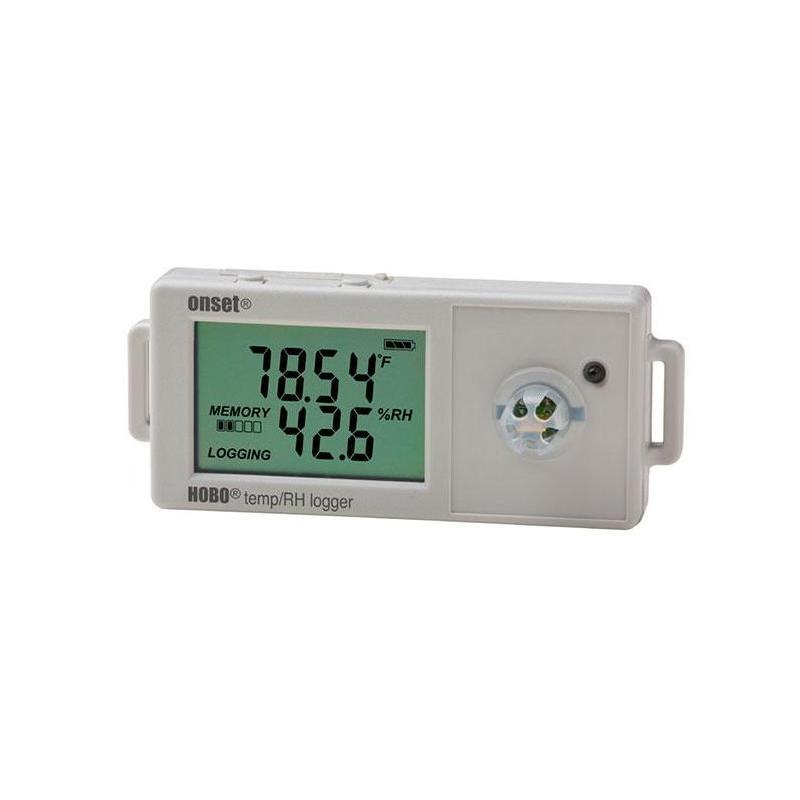
The cold chain transport temperature logger is designed for the transportation of food, pharmaceuticals and other products that require strict temperature control. These devices are typically small, portable, have long battery life, and are able to record temperature data throughout transportation to ensure the safety of the product during transportation.
Classified according to functional characteristics:
(1) Automatic Recorder
The automatic temperature logger does not require manual intervention, and automatically collects and stores temperature data after the recording interval and duration are pre-set. They are suitable for scenarios that require continuous recording of temperature changes, such as long-term experiments, equipment operation monitoring, etc.
(2) Intelligent Recorder
Smart temperature loggers integrate advanced data processing and analysis functions, often supporting wireless communication, remote monitoring, and data upload to the cloud. Smart devices can automatically alarm or adjust according to set parameters, which is suitable for scenarios that require a high level of automation and real-time monitoring, such as intelligent building management, remote environmental monitoring, etc.
(3) Temperature curve Recorder
The temperature curve Recorder can plot the temperature curve over time in real time, helping users to intuitively understand the temperature change trend. They typically feature high-resolution displays and powerful data storage and analysis capabilities for scenarios that require detailed temperature trend analysis, such as laboratory research, product testing, and process control.
Fourth, the key technical indicators of the temperature Recorder
| Technical Indicators | illustrate |
| Measurement range and accuracy | The temperature range that the temperature logger is able to measure accurately, as well as the accuracy of the measurement. The measurement range determines the temperature environment in which the device is suitable, and the accuracy reflects the accuracy of the measurement. Accuracy is usually expressed in ±°C, and the higher the accuracy, the more accurate the device measurement. |
| Data storage capacity vs. recording interval | Data storage capacity refers to the maximum amount of data that a device can record and store, and the recording interval is the time interval between temperature recordings, which can usually be adjusted. Large storage capacity and flexible recording intervals allow the device to run for long periods of time without having to export data frequently. |
| Anti-interference capability and reliability | Immunity refers to the ability of a device to accurately measure temperature in the presence of electromagnetic interference or other environmental noise. Reliability reflects the ability of equipment to operate stably for a long time in various environments, and is an important criterion for selecting equipment in industrial applications. |
| Data transmission and interface type | The data transfer method and interface type determine how the temperature data is exported to other devices or systems. Common interfaces include USB, Wi-Fi, Bluetooth, etc., which are convenient for users to choose the appropriate transmission method to achieve remote monitoring or convenient download of data. |
5. Analysis of the application scenario of the temperature Recorder
1. Temperature monitoring in industrial production
In industrial production, temperature monitoring is a key link to ensure the stability of the production process and the quality of the product. The temperature of equipment such as boilers, reactors, heat treatment furnaces, etc., must be maintained within a specific range to prevent product defects or equipment damage caused by overheating or improper cooling. The use of multi-channel temperature loggers can monitor the temperature at multiple critical points in real time, providing alarm functions to respond to abnormal conditions, thus ensuring the safety and efficiency of the production line.
2. Temperature recording in cold chain transportation
Temperature recording in cold chain transportation is essential to maintain the quality of perishable products such as food and pharmaceuticals. The temperature logger monitors temperature changes in real time throughout the transportation process to ensure that the product is always within the specified temperature range and prevent product deterioration or failure due to temperature fluctuations. Data can be exported and analyzed at destination, providing proof of compliance and ensuring temperature control throughout the supply chain.
3. Temperature analysis in laboratory and scientific research
In laboratories and scientific research, temperature is a key parameter among many experimental variables, which directly affects the accuracy and reproducibility of experimental results. With the temperature logger, researchers can monitor temperature changes during experiments in real time and record detailed temperature profiles for subsequent analysis. High-precision temperature control and recording functions ensure the consistency of experimental conditions, thereby improving the reliability of research and the scientific nature of data.
4. Temperature monitoring in medicine and food safety
In the field of medicine and food safety, temperature monitoring is an essential requirement to ensure product safety. Pharmaceuticals, especially vaccines, are extremely sensitive to storage temperatures, and food needs to be stored at specific temperatures to prevent bacterial growth. Temperature loggers are used to monitor temperature changes in storage and transportation, to ensure that the temperature is always within a safe range, and to provide data logging for review by regulatory agencies to prevent products from failing or deteriorating due to improper temperature.
6. Choose the right temperature Recorder
Choosing the right temperature logger starts with an analysis based on the needs of the application scenario. In industrial production, equipment with multi-channel, high anti-interference capability and durability is required, suitable for complex production lines and equipment monitoring; For cold chain transportation, it is necessary to choose a Recorder that is portable, long-lasting and vibration-resistant to ensure the integrity of temperature data during transportation. Laboratory and research environments require high-precision, multi-sensor-compatible equipment for sophisticated temperature control and analysis.
The selection of key technical parameters such as measurement range, accuracy, data storage capacity, recording interval, etc., is crucial. Choose devices that support the right interface type (e.g., USB, Wi-Fi) to ensure easy data transfer and management.
7. Maintenance and calibration of temperature Recorder
1. Daily maintenance and maintenance of equipment
Routine maintenance and maintenance of the temperature logger is the key to ensure its long-term stable operation and accurate measurement. The equipment should be cleaned regularly, especially in the sensor section, to avoid dust and contaminants affecting the measurement accuracy. Check the connecting cables and connectors before and after use to make sure there are no loose or damaged cables. At the same time, the equipment should be avoided from being exposed to extreme environments, such as high humidity, strong electromagnetic interference, or severe vibration, to prolong its service life. Back up your data and check the battery or power status regularly to make sure your device is always in good working order.
2. The importance and method of regular calibration
Regular calibration of the temperature logger is essential to guarantee data accuracy. Over time, the accuracy of a sensor can be affected by the environment and frequency of use, so it's especially important to calibrate at regular intervals. Calibration typically involves comparing the device to a standard temperature source of known accuracy and adjusting the device readings to match the standard values. The calibration interval depends on the frequency of use of the equipment and the requirements of the application, and it is generally recommended to perform a calibration every 6 to 12 months. Calibration should be performed by a professional or a certified laboratory to ensure the validity of the calibration and the accuracy of the device's measurements.
3. Troubleshooting and solutions
During use, the temperature logger may experience problems such as abnormal readings, inability to record data, or equipment malfunction. Common faults include damaged sensors, faulty data interfaces, or power supply issues. The first step in troubleshooting is to check the physical connections of the device to ensure that the sensors, interfaces, and power supply are working properly. Second, check if the settings and configurations of the device are correct, such as data logging intervals, channel settings, etc. If the problem persists, you may need to reset your device or update the firmware. For faults that cannot be solved by yourself, you should contact the manufacturer or professional maintenance personnel for maintenance to ensure that the equipment returns to normal work.

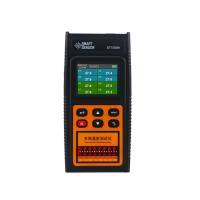


- 1UA-001-64 temperature Recorder for gender prediction of small returnees
- 2ONSETHOBO Wireless Monitoring - Wireless Temperature and Humidity KIT-ZW-TRH Application of Temperature and Humidity in Fumigation Room
- 3ONSETHOBO UX100-003 Temperature Logger for Building-Phase Change Material Temperature Monitoring
- 4Optical inspection laboratory for coral reefs in Bermuda
- 5Temperature monitoring of building automation system by temperature Recorder UX100-014
- 6Effects of temperature Recorder UTBI-001 on river ecological restoration in the Northwest Pacific
- 7Cheese warehouse temperature monitoring U12-012
- 8Energy performance monitoring UX90-002M


