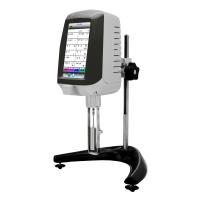
Understanding Rheometers in One Article - Principle, Application, Selection & Maintenance
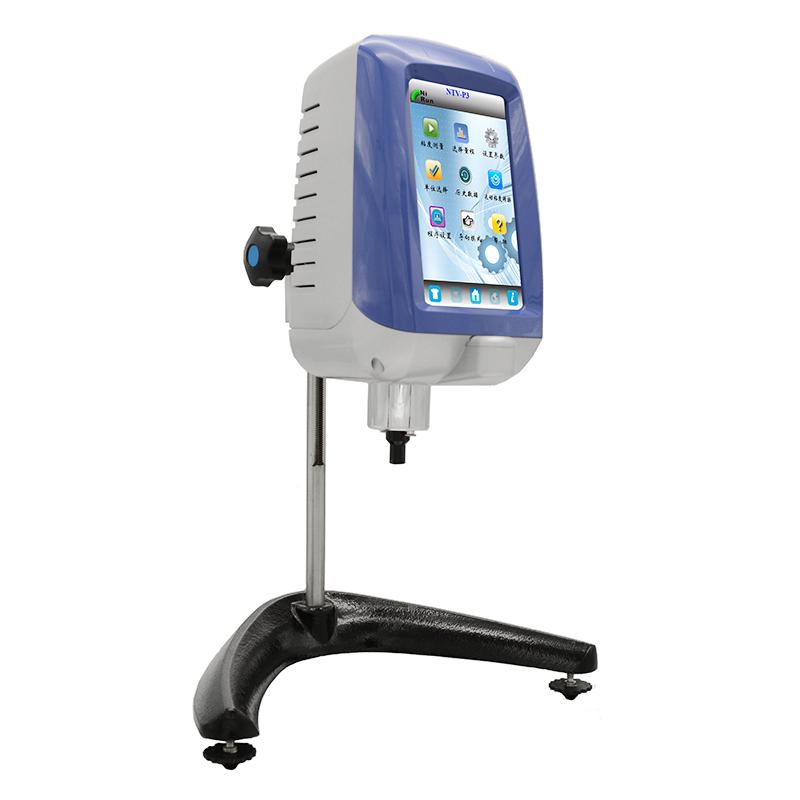
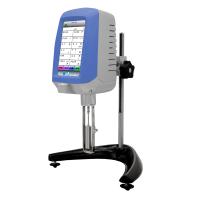
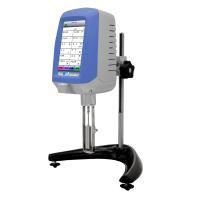
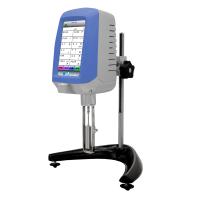
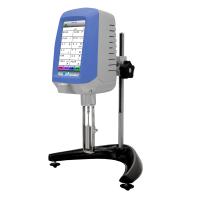
A rheometer is an instrument used to measure the rheological properties of substances, which is widely used in materials science, food industry, chemical industry and other fields. By analyzing the response of materials under different stress and strain conditions, the rheometer is able to provide detailed data on the viscosity, elasticity and plasticity of the material. This article will introduce in detail the working principle and classification of rheometers, technical parameters, applications, and selection and maintenance.

How a rheometer works
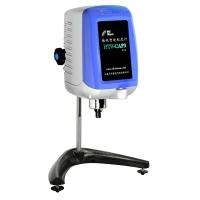
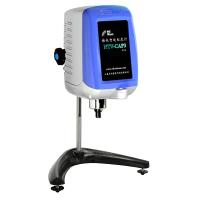
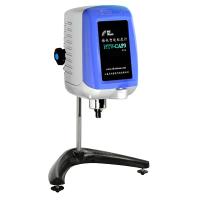
The working principle of a rheometer is based on measuring the deformation and flow behavior of a material under the action of an external force. Depending on the measurement method and the field of application, there are three main types of rheometers: rotational rheometers, oscillatory rheometers, and capillary rheometers.
1. Rotational rheometer
A rotational rheometer measures the viscosity and rheological properties of a material by applying shear stress through a rotational measurement system and recording the shear rate. Typical rotational rheometers include coaxial cylinder, cone, and parallel plate geometries. Rotational rheometers are widely used to measure the viscosity of liquids and semi-solids, such as polymer solutions, paints, and emulsions.
2. Oscillatory rheometer
An oscillating rheometer measures the storage modulus (elasticity) and loss modulus (viscosity) of a material by applying periodic oscillatory stresses. Oscillatory rheometers are suitable for analyzing the viscoelastic behavior of solid and semi-solid materials, and are widely used in the study of polymer materials, food, and biomaterials.
3. Capillary rheometer
A capillary rheometer determines the viscosity and rheological properties of a material by measuring its flow behavior in a capillary. This method is suitable for the measurement of polymer melts and solutions, such as polymer processing and melt flow studies.
Technical parameters of the rheometer
The performance of a rheometer is determined by several key technical parameters, including torque range, stress range, frequency range, and temperature control range.
1. Torque range
The torque range determines the minimum and maximum torque values that can be applied by the rheometer, which directly affects the accuracy and range of its measurements. The high torque range is suitable for the measurement of high-viscosity materials, and the low torque range is suitable for the measurement of low-viscosity fluids.
2. Stress range
The stress range refers to the minimum and maximum stress values that can be applied by the rheometer. A wide range of stresses can be used to meet the measurement needs of materials ranging from weak gels to strong solids.
3. Frequency range
The frequency range determines the measurement capabilities of an oscillating rheometer, including low-frequency (slow oscillation) and high-frequency (fast oscillation) measurements. A wide frequency range provides the rheological behavior of materials at different time scales.
4. Temperature control range
The temperature control range is one of the important parameters of a rheometer because the rheological properties of the material are very sensitive to temperature. The high-precision temperature control system ensures accurate rheological measurements over a wide range of temperature conditions.
Rheometer applications
Rheometers are widely used in a variety of fields, including materials analysis, quality control, and scientific research applications.
1. Material analysis
Rheometers are used to measure the rheological properties of various materials, such as polymers, foods, lubricants, and coatings. By analyzing the viscosity, elasticity, and plasticity of materials, rheometers can help optimize material formulations and production processes.
2. Quality control
During the production process, the rheometer can monitor the rheological properties of the material in real time to ensure consistent product quality. For example, rheometers are used in the food industry to monitor the viscosity of sugar syrups to ensure consistent quality of the final product.
3. Scientific research and application
Rheometers play an important role in the development of new materials and basic research. Researchers use rheometers to study the rheological behavior of materials and develop high-performance materials, such as new polymers, nanocomposites, etc.
Rheometer selection and maintenance
Choosing the right rheometer requires a combination of application needs, budget, and make and model.
1. Selection Guide
Application requirements analysis: Select the appropriate rheometer type and technical parameters according to the specific application requirements.
Budget considerations: Choose a rheometer with the right performance within your budget, high-end equipment has many features but high cost, and you need to balance budget and needs.
Comparison of brands and models: Different brands and models of rheometers have differences in performance and service, which requires a comprehensive comparison by users.
2. Maintenance and calibration
Regularly clean, lubricate and replace wear parts to prevent equipment aging and failure.
Calibrate according to the manufacturer's recommended frequency to ensure the accuracy of the measurement data.
Handle common faults, such as sensor failures and data anomalies, in a timely manner to ensure the proper operation of the rheometer.
conclusion
As an important instrument for studying the rheological properties of materials, the rheometer has a wide range of application value in industry and scientific research. By understanding its operating principles, technical parameters, applications, and selection and maintenance, users can make better use of the rheometer for material analysis and quality control. As technology advances and market demands change, rheometers will continue to evolve to provide more accurate and efficient measurement tools for materials science and industrial production.
- 1Application of Rheometer in Viscosity Test of Tomato Paste
- 2Rheometer polymer rheological performance
- 3Influencing factors of asphalt rheological performance
- 4How to calibrate the Rheometer? With calibrating steps
- 5Difference between Rheo-meter and Rotational Viscometer
- 6How to test rheological properties of colloidal materials
- 7Paint rheology phenomenon: What is the effect of viscosity change after coating?
- 8Influence of Leveling on Rheological Phenomena of Coatings
- 9Wetting, coalescing and hanging of paint rheological phenomena