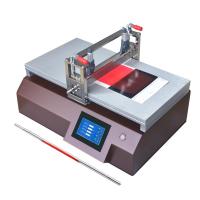
Experimental application of water-based paints on film laminating paper by laboratory coater
With the continuous progress of science and technology, laboratory coating machines play an increasingly important role in materials science, chemical engineering, electronic materials and other fields. Especially when it comes to applying water-based coatings, laboratory coaters provide an efficient and precise tool for research and development. This article will discuss in detail the application of laboratory coaters to apply water-based coatings on coated paper, including its working principle, experimental procedures, influencing factors, and precautions in practical applications.
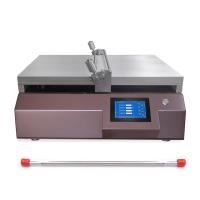
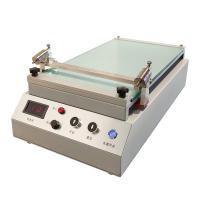
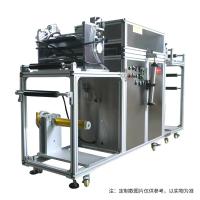
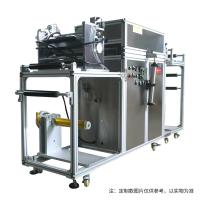
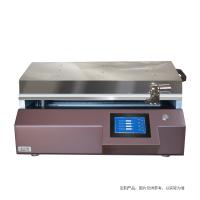
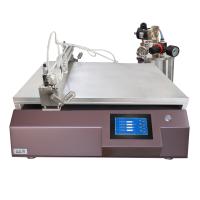
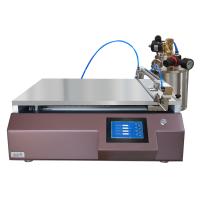
A laboratory coater is a type of equipment used to evenly apply paint to a substrate. It enables precise control of the coating process to meet different experimental needs. According to the different coating methods, laboratory coating machines can be divided into scraper type, roller coating type, spraying type, etc. Each type of coater has its own unique advantages and application scenarios.
![Experimental application of a laboratory coater to apply water-based paint on laminated paper [with video] Figure 1](https://img.nbchao.com/imgs/800/2024/01/30/1158290641618295.jpg)
Features of water-based coatings
Water-based paint is a kind of coating that uses water as the main solvent, which has the advantages of environmental protection, low toxicity and easy cleaning compared with traditional solvent-based coatings. Water-based coatings are mainly composed of water, emulsions, pigments, fillers and additives. Benefits include:
Environmental protection - the main solvent of water-based coatings is water, which reduces environmental pollution and reduces the health risk to users.
Easy to clean——Water-based coating tools and equipment can be cleaned with water, reducing cleaning costs and labor intensity.
security——Compared with solvent-based paints, water-based paints are less flammable and toxic, and are safer to use.
![Experimental application of a laboratory coater to apply water-based paint on laminated paper [with video] with Figure 2](http://img.nbchao.com/upload/editor/image/20240912/1726121410327004572.jpg)
The laboratory coater applies water-based coating to the laminated paperExperimental procedures for coatings
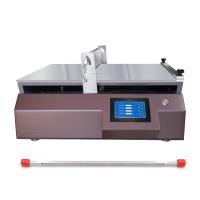
In the process of coating water-based coating paper with a laboratory wire rod coater, it is first necessary to make adequate experimental preparations. Wire rod coater is a commonly used coating equipment, which evenly applies paint to the surface of the substrate through the coating rod fixed on the equipment. The core strength of the machine is its ability to provide a very uniform coating thickness and the relative simplicity of operation.
First of all, you need to choose the right coating rod and adjust the diameter of the coating rod according to the experimental requirements. The diameter of the coating rod affects the thickness of the coating, with larger diameters typically used for thicker coatings, while smaller diameters are suitable for thinner coatings. Before the experiment begins, make sure that the surface of the coated paper is smooth and dust-free, so that the uniformity and adhesion of the coating can be ensured.
Next, prepare the water-based paint and stir well before use to ensure the uniformity of the paint. According to the viscosity of the coating, its dilution can be adjusted appropriately to achieve a good coating effect. Typically, the viscosity of water-based paints needs to be adjusted during the coating process so that the coating rod can smoothly apply the paint to the surface of the substrate.
During the experiment, the laminated paper is fixed on the table of the wire stick coater to ensure that it does not move during the coating process. Next, the prepared water-based paint is evenly applied to the laminated paper. The wire rod coater evenly spreads the coating on the paper through the rotating coating rod, and the uniformity and thickness of the coating can be controlled by adjusting the contact pressure and speed between the coating rod and the paper.
After the coating is completed, the coated paper coated with water-based paint is placed in a suitable environment to dry. Normally, water-based paints will dry naturally at room temperature, but if you need to speed up the drying process, you can use hot air drying equipment. During the drying process of the coating, pay attention to the quality of the coating to ensure that its uniformity and adhesion meet the experimental requirements.
Finally, the coating is inspected and tested for performance. This includes checking indicators such as coating uniformity, gloss and adhesion. Depending on the specific requirements of the experiment, additional performance tests may be required, such as abrasion resistance, water resistance, etc. With these tests, the overall quality of the coating can be evaluated and the coating parameters adjusted based on the experimental results to optimize the coating results.
The following is a practical video of the application of the North and South tide coating machine, and the wire rod coating machine is used for coating in this experiment.
Analysis of influencing factors in the experiment
1. Coating speed
The coating speed has a direct impact on the uniformity of the coating. Excessive application speed can lead to uneven paint distribution and inconsistent coating thickness. Applying at a speed that is too low can lead to sagging and thick coatings. By adjusting the coating speed, a good coating effect can be obtained.
2. Accuracy and pressure of the wire rod
The accuracy of the wire rod has a significant impact on the thickness and uniformity of the coating. The accuracy of the wire rod is the key factor affecting the accuracy of the coating film, and the north and south tides generally use imported high-precision wire rods, and the coating accuracy can reach ±0.001mm. The pressure also needs to be adjusted appropriately to ensure that the coating is evenly applied to the surface of the substrate.
3. Paint viscosity
The viscosity of water-based paints affects the flow and coverage during the coating process. Too high viscosity can make it difficult to apply the paint, and too low viscosity can lead to uneven coating. By adjusting the viscosity, the coating effect can be optimized.
4. Substrate surface treatment
The surface treatment of the substrate has an important influence on the adhesion and uniformity of the coating. The surface of the laminated paper should be flat and smooth to ensure that the coating can adhere evenly to the substrate. Any surface defects or contamination may affect the quality of the coating.
Considerations in practical applications
In practice, the operation and maintenance of laboratory coaters are also crucial. Here are some common considerations:
Equipment Maintenance: Regularly inspect and maintain the laboratory coater to ensure its proper operation. Clean the coating rod and the table top of the coating machine to avoid the influence of paint residue on the next experiment.
Paint storage: Water-based paints should be stored in a cool, dry place away from high temperatures and direct sunlight. The paint should be used as soon as possible after opening to avoid deterioration.
Safe Handling: During the coating process, the operator should wear appropriate protective equipment, such as gloves and goggles, to avoid the coating coming into contact with the skin and eyes.
conclusion
The application of laboratory coaters to apply water-based coatings to laminated paper provides an efficient and accurate experimental platform. Through strict control of the coating process and parameter adjustment, high-quality coatings can be obtained. Understanding the properties of waterborne coatings and how coaters work can help you optimize your experiments and ensure that the coating performance meets your requirements. In practical application, scientific and reasonable operation and maintenance are the key to ensure the success of the experiment.


- 1Application of laboratory coater in LED fluorescent film Spreader
- 2Application and selection of laboratory coater in PDMS thin film prepative
- 3Experimental Study on High Viscosity Ultraviolet Resin Coating on Glass Substrate by Small Coater
- 4Experimental coater application case video of liquid silica gel on release paper
- 5Laboratory small coater coated with polyester film on ultra-thin PET film [video demonstration]
- 6Technical Requirements and Application of Lithium Battery Slurry Coated on Copper Foil for Small Coater
- 7Application of small coater in gel coating
- 8Application of small coater in polyimide slurry
- 9Application of laboratory coater coating aluminum oxide paste on PET film