Plastics - Determination of polyethylene (PE) moisture content
introduction
Polyethylene (PE) is a thermoplastic resin widely used in the plastics industry, and its excellent physical and chemical properties make it important in many fields such as packaging, construction and automotive. Polyethylene's lightweight, high strength, and chemical resistance make it a reliable material for a variety of applications.
Moisture content is one of the key factors affecting the performance of polyethylene. Excessively high moisture content can lead to a decrease in the processability of the material, increase brittleness, and affect the mechanical strength and durability of the final product. Therefore, accurate determination of the moisture content in polyethylene is essential to ensure product quality and performance.
Standard range
This standard is applicable to the determination of moisture content in polyethylene (PE) granules and products, and can effectively evaluate the effect of moisture content on material properties. The method is specifically designed to meet the needs of industrial applications, ensuring the stability of polyethylene during processing and use.
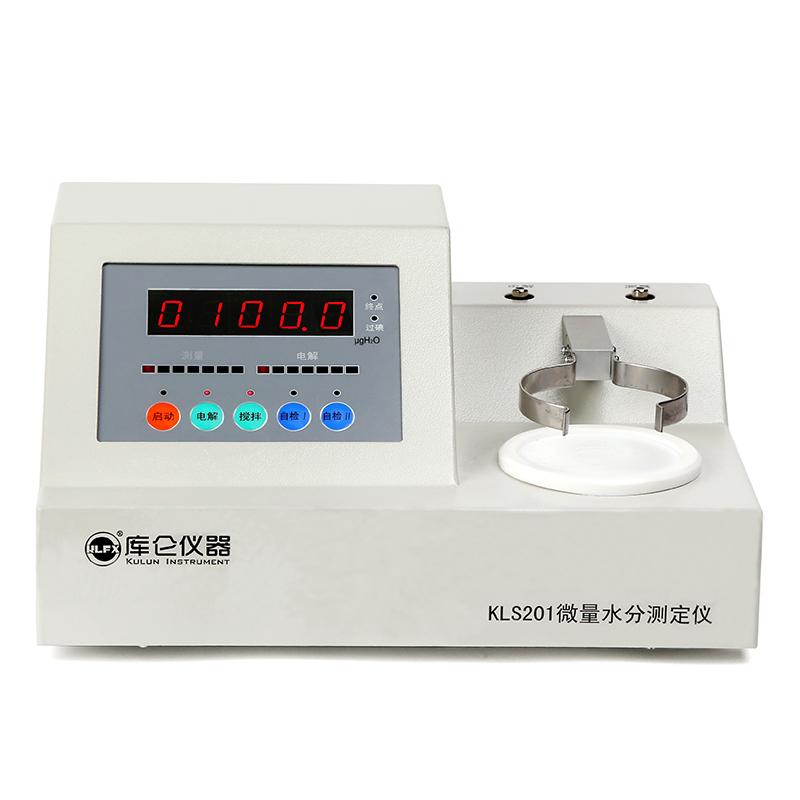
Principles and reactions
The limit for the determination of moisture content can reach 0.01%, which allows the standard to be adapted to the requirements of different production conditions. By accurately measuring low moisture content, users can better control the quality of polyethylene, which increases product reliability.
The Karl · Fischer coulometric method is the core determination method of this standard, which is based on the principle of electrolytic reaction and calculates the moisture content by measuring the change in electric amount. In the reaction, the water reacts with the iodine produced during the electrolysis process, resulting in an accurate determination of the moisture. The chemical reactions describe the mechanism of water transformation in this process and provide a scientific basis for the determination results.
Reagents & Materials
Essential reagents and their properties
In the determination of the moisture content of polyethylene, analytically pure reagents are used to ensure the accuracy of the determination. Key reagents include:
Anode solution
Contains iodine ions, which can form iodine in reactions.
Cathodic solution
It is usually methanol or other suitable organic solvent containing suitable salts.
General purpose reagents
Reagents for diaphragm-free cells to ensure the accuracy of the reaction.
Neutralizing solution
A solution containing about 4 mg/mL of water for occasional needs.
Introduction to related equipment and instruments
Carl · Fischer Coulometric titrator
The instrument includes a control unit and a titration cell that calculates the water content directly from the change in the amount of electricity. Cells with or without diaphragm can be selected to accommodate different accuracy requirements.
Water vaporizer
It can be heated up to 250°C and is responsible for the evaporation of water from the sample.
Gas flow meter
It is used to control the gas flow rate and ensure the gas flow during the measurement.
Microsyringes
It is used to accurately inject a known amount of water and verify the performance of the instrument.
Sample preparation
Sample type and processing requirements
Samples can be polyethylene pellets, powders, or molded parts. Samples should be cut to a size of less than 4 mm× 4 mm× 3 mm to ensure uniform heating and complete water evaporation.
Measures to ensure representativeness
To ensure that the sample is representative, a typical sample of no more than 10 g should be selected, and a glass bottle with a lid or watertight sealed bag should be used when packaging to avoid contamination and moisture absorption during processing.
Assay steps
Precautions
Due to the extremely low moisture content to be measured, contact with air should be avoided as much as possible during the whole sample processing and measurement process to prevent moisture absorption of the sample.
Before use, the Karl · Fischer Coulometric Titrator and the water evaporator should be properly installed according to the instrument instructions to ensure that the parts are tightly connected. Instrument calibration with a known amount of water is required to verify the accuracy of the instrument.
Assay method(Bottle and tube heating method)
Bottle heating method: A polyethylene sample is placed in a heated flask, weighed and sealed quickly, and then directly measured.
Tubular heating method: The sample boat is placed in a heating tube, heated to dry the residual water, and then measured to ensure that the temperature of the sample and the heating environment are consistent.
Result indication
The moisture content is calculated as follows:
W=mwater/msample×10-4
thereintomwater For the measured quality of water (in micrograms),msampleis the mass of the specimen (grams).
The results should be accurate to 0.001%. Repeated test results should be consistent across operators, equipment, and environments to ensure the reliability of the assay.
Parallel assays performed by the same operator using the same equipment in the same laboratory should not differ more than 0.003% between the two measurements at a 95% confidence level. This standard ensures the repeatability and reliability of the test.During the measurement, any factors that may cause changes in moisture content should be recorded, including ambient humidity, air contact during sample handling, instrument calibration status, etc. The monitoring and control of these factors can help to improve the accuracy and reliability of the assay.
Accurate determination of the moisture content of polyethylene is essential for product quality control in the plastics industry. Through scientific measurement methods and strict experimental standards, manufacturers can find and correct moisture problems in raw materials in time, so as to improve the stability and performance of products. In the future, with the continuous advancement of measurement technology, the moisture determination of polyethylene and other plastic materials will be more accurate, providing stronger support for the development of the plastics industry.
-
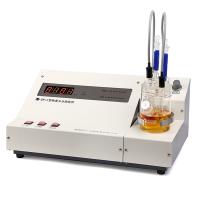
![Zibo Coulomb SF-1 Trace Moisture Meter, Karl-Fischer Coulomb Electricity Method 5μg~ 80mg]()
-
![ZIBO KLS100 Volumetric Moisture Analyzer Karl-Fischer Moisture Analyzer]()
-
![TOKY MS3000 Karl Fischer Moisture Titrator 0.0001%~ 100%]()
-
![KF-4 Reagent ZDY-502/ZDY-504]() KF-4 Reagent ZDY-502/ZDY-504$ 198.00
KF-4 Reagent ZDY-502/ZDY-504$ 198.00 -
![KF-3 reagent ZDY-501 (2012), ZDY-501 (old)]()
-
![KF-1 reagent for KLS-411 (2012), KLS-411 (98), ZDY-504]()
-
![LEICI double platinum electrode U-shaped insert]()
-
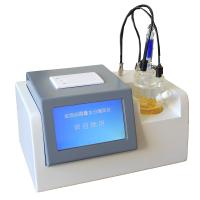
![LEICI KLS-411 Moisture Analyzer Coulomb Method]()
-
![Jilin Haimai JLHM-207 Automatic Moisture meter measuring range: 3ug~ 200mg]()