Chip high-low temperature heat and humidity performance test
The test of the high-low temperature damp heat resistance of the chip is a key step to ensure the stable operation of the chip under different environmental conditions, especially for aerospace, automotive electronics, industrial control and other fields with high requirements for environmental adaptability. As a precision semiconductor device, the performance of the chip is easy to change in extreme temperature and humidity environments, so in the process of R&D and production, it must be tested for high-low temperature damp heat resistance to ensure its reliability and service life. This article will introduce the whole process of chip resistance to high-low temperature damp heat performance in detail from the aspects of test principle, test instrument, test procedure, etc., and provide systematic reference for relevant practitioners.
1. The test principle of the high-low temperature damp heat resistance of the chip
The basic principle of the chip resistance to high-low temperature damp heat performance test is to evaluate the electrical performance, physical structure and functional integrity of the chip under extreme temperature and humidity conditions by simulating its operating environment under these conditions. Environmental test equipment such as high-low temperature alternating damp heat Test Chambers are usually used to control the temperature range from -70 °C to 150 °C and the humidity range to between 20% and 98%, simulate the environmental changes that the chip may encounter in actual use, and detect whether there are abnormalities in this process, such as unstable working performance, material aging, packaging damage, etc.
In testing, the chip goes through a series of cycles of temperature and humidity changes to evaluate its ability to adapt to different environments. The high-temperature test simulates the long-term working state of the chip in a high-temperature environment, and mainly examines its thermal stability and material heat resistance; The low-temperature test simulates the performance of the chip under low temperature conditions, detects its frost resistance and changes in electrical characteristics at low temperatures; The damp heat test observes whether the chip has moisture absorption, corrosion, performance degradation and other problems in a high temperature and high humidity environment.
1) Temperature cycle test
The Temperature Cycling Test evaluates the adaptability of a chip to temperature changes. By repeatedly cycling between high-low temperatures, it is possible to detect whether the difference in the coefficient of thermal expansion of the material inside the chip will lead to stress concentration, which will cause problems such as fracture and loose solder joints inside the chip. This test simulates the operating state of the chip undergoing multiple temperature changes at different ambient temperatures to test its reliability.
2)High temperature storage test
The High Temperature Storage Test (HTS) is used to evaluate the performance stability of a chip in a high-temperature environment. The chip is exposed to high temperatures for a period of time to see if its electrical properties change. The high temperature environment will accelerate the aging of the chip material, and testing can help evaluate the lifetime and performance stability of the chip.
3)Damp heat test
The Temperature Humidity Bias Test (THB) applies a bias voltage to the chip under certain temperature and humidity conditions to observe the changes in its performance. Humidity can lead to problems such as moisture absorption and corrosion of internal circuits of the chip, and the damp heat test can simulate the impact of high humidity environment on the reliability of the chip and test its tolerance in actual use.
2. Test instruments
The following instruments are usually required for the testing of the high-low temperature damp heat resistance of the chip:
1) High-low temperature alternating damp heat Test Chamber
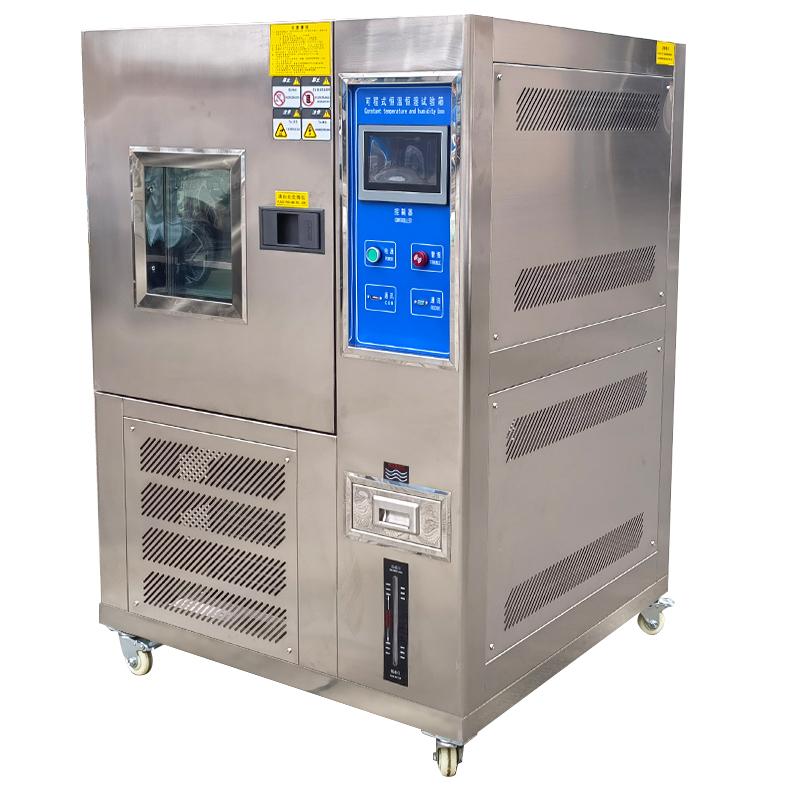
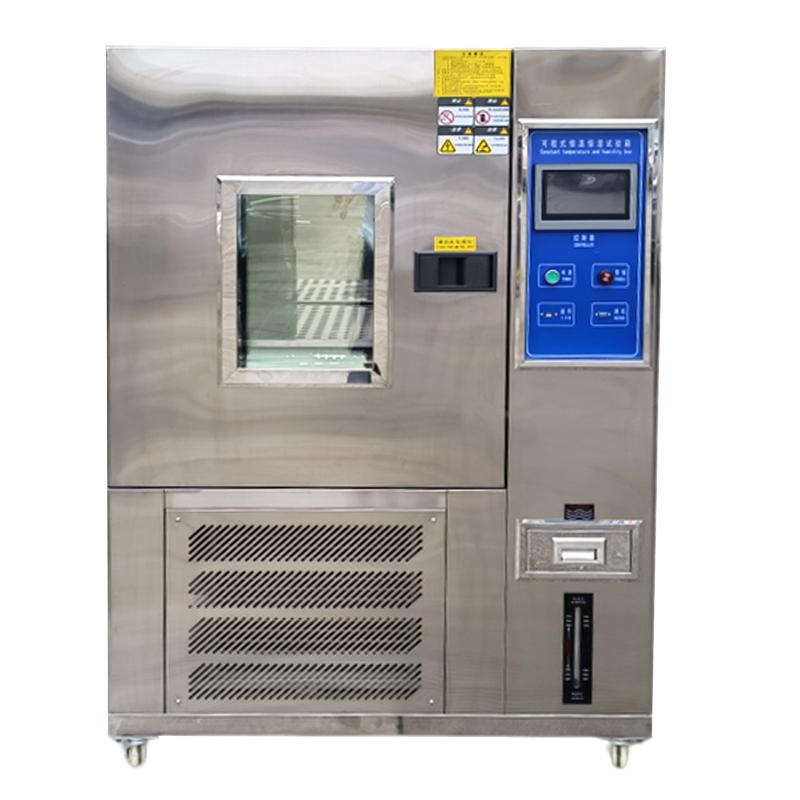
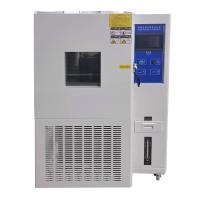
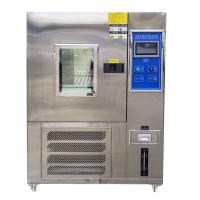
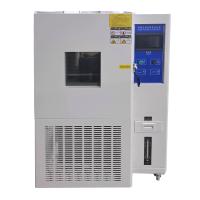
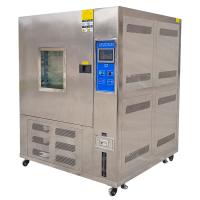
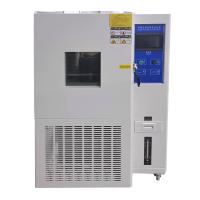
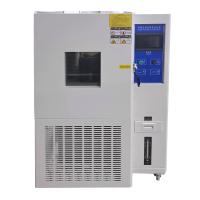
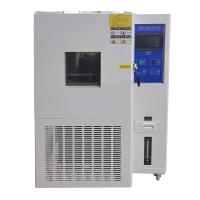
The high-low temperature alternating damp heat Test Chamber is the core equipment for simulating the operating environment of the chip under extreme temperature and humidity conditions. The chamber can precisely control the internal temperature and humidity, and achieve rapid changes in temperature and humidity within a specified time. The temperature control range is generally -70°C to 150°C, and the humidity control range is 20% to 98%. There is a sample rack inside the Test Chamber, which can fix the chip in a suitable position to ensure the uniformity and accuracy of the test.
2) Temperature cycle Test Chamber
The temperature cycling Test Chamber is used to perform temperature cycling tests of chips, simulating the alternating temperature changes of chips in the actual environment. The device can achieve rapid temperature rise and fall to simulate the chip's repeated operating state between high-low temperatures. It typically has fast cooling and heating and can be programmed to control multiple temperature cycles.
3) Constant temperature and Humidity Chamber
The constant temperature and Humidity Chamber is used for the damp heat test of the chip. It can maintain a constant temperature and humidity environment for a long time under high temperature and high humidity conditions, and simulate the performance of the chip in a humid environment. It is usually equipped with a high-precision temperature and humidity sensor, which can monitor and adjust the temperature and humidity in the box in real time to ensure the accuracy and stability of the test conditions.
4) Test power supply and test equipment
During the test, it is necessary to use DC power supply, power meter, digital multimeter, oscilloscope and other instruments to monitor and record the electrical characteristics of the chip in real time. These instruments can detect the changes in the working voltage, current, power consumption, frequency characteristics and other parameters of the chip under different temperature and humidity conditions to judge the performance stability of the chip.
3. Test steps for the high-low temperature damp heat resistance of the chip
1) Preliminary preparation
According to the test requirements, select the sample of the chip to be tested, and check its appearance, size and electrical performance to ensure that the sample has no obvious defects.
Before the test, calibrate the high-low temperature alternating damp heat Test Chamber, temperature cycle Test Chamber, constant temperature and Humidity Chamber and other equipment to ensure the accuracy of temperature and humidity control.
According to the use environment and performance requirements of the chip, a detailed test plan is formulated, including temperature and humidity range, test cycle, temperature change rate, cycle times and other parameters.
2) High-low temperature test
High temperature test - the chip sample is placed in a high-low Temperature Test Chamber and set to a high temperature environment (such as 85°C or 125°C) for a certain period of time (generally 48 hours to 1000 hours). Real-time monitoring of the chip's electrical performance parameters, such as voltage, current, power consumption, etc., and recording their changes.
Low temperature test——Drop the chamber temperature to a set low temperature range (e.g., -40°C or -70°C) and hold it for a period of time to observe the performance of the chip. It is usually tested at low temperatures when energized to assess its ability to start and work in extremely cold environments.
Temperature cycling test——The temperature cycle mode is set to make the Test Chamber cycle repeatedly between high-low temperatures. Each cycle consists of four stages: heating up, constant temperature, cooling and heat preservation, and observing whether the chip has abnormal electrical performance or physical structure damage during the temperature change process.
3) Damp heat test
Test environment setting - set the damp and hot conditions (such as 85°C, 85%RH) in the constant temperature and Humidity Chamber, put the chip into the chamber, and test its performance with power. Damp heat tests typically last hundreds of hours to simulate the long-term operation of a chip in a high-humidity environment.
Performance testing——Under damp and hot conditions, the working voltage, working current, power consumption, signal integrity and other parameters of the chip are monitored in real time, and abnormal phenomena such as performance degradation, signal noise increase, short circuit, and open circuit are observed.
Visual inspection——After the damp heat test is completed, the chip is removed and its appearance is checked for corrosion, delamination, cracking, etc., and its damp heat resistance is further evaluated.
4) Data analysis and evaluation
Data recording - record the temperature and humidity, chip electrical performance parameters and other data collected during the test process to form a complete test report.
Analysis of results——Through the analysis of test data, the performance change of the chip in the high, low temperature, humid and hot environment is evaluated, and whether it meets the predetermined reliability standards. If there is an abnormality, it is necessary to analyze the cause of the problem according to the actual situation and adjust the chip design or production process.
Optimization suggestions——According to the test results, optimization suggestions are put forward for the material selection, packaging process, circuit design and other aspects of the chip to ensure that the chip has stable performance under different environmental conditions.
IV. Conclusions
The performance test of the chip resistance to high-low temperature and damp heat is a key part of the chip reliability test, which evaluates the performance and stability of the chip by simulating the extreme temperature and humidity conditions in the actual environment. High-low temperature alternating damp heat Test Chamber, temperature cycle Test Chamber, constant temperature and Humidity Chamber and other equipment provide precise environmental control for the test to ensure the accuracy and repeatability of the test results. Through detailed test steps and data analysis, we can fully understand the performance of the chip in different environments, and provide a scientific basis for the design, manufacturing and application of the chip.


- 1GB/T 10586-2006 Detailed explanation: Core technical indicators and acceptance specifications for damp heat Test Chamber
- 2Humidity chamber core components dismantling: how to select compressors/Sensors
- 3Inaccurate lab data? 90% of people ignore Test Chamber calibrating issues
- 4Application of high-low temperature heat and humidity alternating Test Chamber in rubber industry
- 5Application of Humidity Chamber in building materials and flooring industry
- 6Principle, application and selection of programmable Humidity Chamber for die casting
- 7Humidity Humidity Chamber principle, application and selection
- 8Principle, application and selection of field effect transistor programmable Humidity Chamber
- 9Principle, application and selection of luggage Humidity Chamber