Determination Method and Standardized Process of Paper and Pulp Dust
In this paper, the method of measuring the dust content of paper and cardboard and pulp is introduced, and the concept of dust and its measurement index are first defined. The required instrumentation and protocols are detailed, including sample sampling, dust observation, labeling, and documentation. Through accurate measurements and calculations, the quality of paper and pulp can be evaluated, providing reliable data support for related industries and ensuring that products meet standard requirements.
Determination of the dust content of paper and cardboard
Definition of Xiao Ai
Refers to bundles of fibers and other impurities that are visible on the paper surface and are significantly different in color from the paper surface. These small angstroms usually affect the appearance and quality of the paper.
Indication of the degree of dust –Dust is measured by the number of dust per square meter of paper or cardboard or its equivalent area (in nm) and reflects how clean the paper is.
instrument
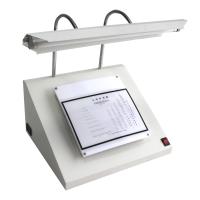
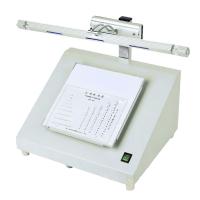
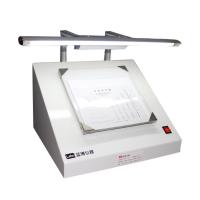
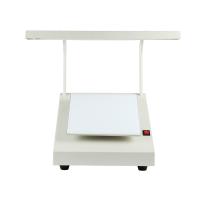
Composition of the dust Tester
Lighting fixture – 20W fluorescent lamp is used as the light source, and the irradiation angle is set to 60° to ensure that the dust on the paper surface can be clearly observed under different lighting conditions.
Rotatable test specimens – The specimen is made of opalescent glass or translucent plastic with an area of 270mm x 270mm and is designed to be rotatable for a full check of the dust distribution of the paper.
Standard Dust Pictures – Provides a set of standard dust sample images for Testers to compare when observing and identifying paper dust to ensure accuracy and consistency of measurement results. Standard images cover different types and sizes of dust samples for quick judgment.
Experimental Procedure
Samples were taken according to standard methods, with at least four specimens measuring 250mm x 250mm to ensure representativeness and accuracy of the measurements.
Inspect the surface of the paper under a 20W fluorescent lamp to observe and mark visible dust with the naked eye.
Labeled dust is identified using a standard dust picture to determine its area and type.
After rotating the specimen by 90°, it is inspected again, and the newly discovered dust is recorded and marked.
Once you have completed the inspection of one side, flip the sample over and repeat the above steps to check the other side to ensure a thorough assessment.
Test results
Based on the labeled data, the total number of dust on each specimen is calculated and recorded in the experimental report.
The number of dust on the four samples is summarized and converted to the number of dust per square meter of paper or cardboard, and the calculation results are rounded up for comparison and evaluation.
Determination of pulp dust
Definition of dust
Impurities in the pulp that are significantly different in color from the slurry, often in the form of black spots, fiber bundles, or other particles.
Indication of pulp Dirt Count – quantified by calculating the total area of dust (expressed in mm²) or the number of dust per kilogram of pulp to provide a basis for quality control.
instrument
Dust Measurement Chamber – for observing and measuring dust in the pulp, with a built-in light source for clear display.
Dust Standard Map – Used to compare and identify the size and type of dust in the pulp to ensure accurate measurements.
Pointed elbow tweezers – for precise removal of dust from the pulp, avoiding interference from other impurities.
Sheet former – used to make pulp sheets, ensuring the uniformity and standardization of the sample.
Absorbent paper or filter cloth – used to handle the sample, it is required to be clean and free of any impurities to avoid contamination of the sample.
Experimental Procedure
According to the standard sampling method, the sample is representative and the moisture content or concentration of the slurry is determined for subsequent analysis.
Approximately 25.0 grams of the dry slurry sample was weighed, dissociated and copied into a 200 g/m² slurry, and the uniformity of the slurry was ensured by pressurized dehydration.
Under the illumination of the light, the slurry sheet is flattened in the dust measurement chamber to facilitate observation and rejection of dust.
Use tweezers to remove visible dust and calculate the total area or number of dust against the standard plot.
Result calculation
Based on the dust data collected, the Dirt Count of the pulp is calculated using a formula and detailed explanations are provided to ensure the validity and reproducibility of the results.
summary
Dust determination methods for paper and cardboard as well as pulp are essential in industrial production to ensure product quality and consistency. Through standardized inspection processes, the impact of dust on material properties can be effectively identified and quantified, thereby improving production efficiency and finished product quality. The accuracy of these assays not only helps to meet industry standards, but also provides customers with reliable products and enhances market competitiveness.
-
![CCYONGXIN ZCA-625 Dirt Count Tester swirl/spin table 20W fluorescent lamp]()
-
![CHINA NBC-5641 Dirt Count Tester]() CHINA NBC-5641 Dirt Count Tester$ 555.00
CHINA NBC-5641 Dirt Count Tester$ 555.00 -
![China BLD-725 paper Dirt Count Tester]()
-
![CHINA ZY-CA dust meter Dirt Count Tester, conforming to GB/T1541]()
-
![Jinan HORIZON ZCA-625 NB033852 Paper and Cardboard Surface Cleanliness Tester]()
-
![LABO LB-C5 Dust meter, standard fluorescent lamp, oblique stand]()
-
![YANTE YT-CA725 Dirt Count Tester paper Dirt Count Tester]()