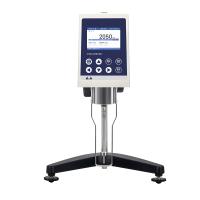
Application of Rotational Viscometer in juice viscosity test
As a popular beverage, fruit juice has an important impact on overall quality and consumer experience in addition to appearance and flavor. The viscosity of a juice affects its flowability, packaging, transportation and how the consumer feels first. In order to ensure the stability and consistency of juices, viscosity measurement has become a critical part of juice production. As an accurate viscosity measuring instrument, high-efficiency Rotational Viscometer has been widely used in fruit juice viscosity testing.
1. The importance of juice viscosity
The viscosity of a juice is an important indicator of its fluidity and taste, which directly affects the sensory experience of consumers. Different fruit juices have different viscosity characteristics, depending on important factors such as the type of fruit, pulp content, sugar, processing technology, etc. Viscosity not only affects the speed at which the juice flows through the bottle, but also affects the heaviness of its mouthfeel and how difficult it is to handle the flow during packaging.
First of all, too high viscosity of the juice will cause it to become thick when poured, which will affect the consumer's mask experience. Too low viscosity can make the juice too thin and lack the thickness of the pulp it should have.
In addition, the viscosity of the juice is closely related to the concentration, and the consumer's perception of the taste in the early process is closely related to the viscosity of the juice. Higher viscosity usually means richer mouthfeel, but too high viscosity can also make consumers feel greasy.
Secondly, in the process of juice production and processing, viscosity affects many links such as bottles, filtration, and heating. Accurate measurement of juice viscosity helps to optimize processes, increase production efficiency, and ensure consistent product quality.
Finally, the slurry of fruit juice is related to factors such as pulp suspension, dissolved solids, sugar content and water ratio. Therefore, slurry measurement is essential to control the production recipe of juice, helping companies ensure product consistency from batch to batch.
Second, the working principle of the Rotational Viscometer
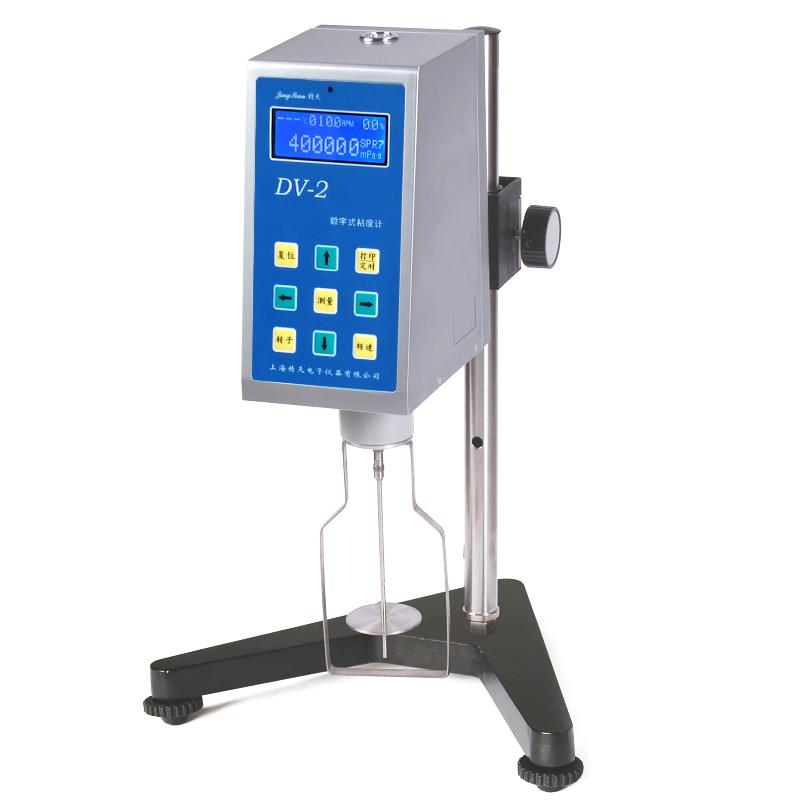
A Rotational Viscometer is a device commonly used for measuring the viscosity of fluids, especially for non-Newtonian fluids such as fruit juices. The working principle is that the viscosity value of the fluid is calculated by measuring the resistance of the liquid to the rotor by rotating the rotor in the rotor. The basic components include a drive motor, replaceable screens, displays, and measurement software.
The Rotational Viscometer drives the rotor to rotate in the juice through a motor, and when the rotor rotates, the juice creates its resistance, which is directly proportional to the viscosity of the juice. By measuring this resistance and the torque of the rotor, the equipment can calculate the viscosity of the juice.Rotational viscometers typically measure in millipascal · seconds (mPa ·), or Newton-seconds per square meter. Most Rotational Viscometers today have automated measurement, data logging, and analysis capabilities to make the measurement process more convenient.
One advantage of Rotational Viscometers is that rotors of different sizes and shapes can be used to accommodate liquids in different viscosity ranges. In addition, the rheological properties of the juice, such as viscosity changes at different shear rates, can be further analyzed.
3. Advantages of Rotational Viscometer in fruit juice viscosity measurement
Compared with other types of viscosity measuring equipment, Rotational Viscometers have the following advantages that make them the most popular instrument in viscometers:
Wide range of applications——With varying viscosity properties in fruit juices, especially those containing pulp or fibrous components, Rotational Viscometers are flexible enough to accommodate the measurement of these non-Newtonian fluids, providing consistent results.
High-precision measurements——Rotational viscometers offer extreme clarity and accuracy, capable of detecting small changes in the viscosity of fruit juices. This is extremely important for juice formulation adjustment, quality control and product optimization.
It doesn't have to be done——Modern Rotational Viscometers are equipped with automated operation and data processing, allowing the user to simply place the juice in the instrument, set the measurement parameters, and obtain accurate viscosity values. In addition, the instrument can be connected to a PC or mobile device for real-time data transmission and remote monitoring.
Non-destructive measurements——The measurement process of the Rotational Viscometer does not damage the juice sample, so that the tested juice can still be used for subsequent analysis or further processing.
Versatility——In addition to basic viscosity measurements, viscometers can also analyze changes in the viscosity of juices at different temperatures and shear rates. This is of great significance for studying the processing stability of fruit juice and the stability of heat treatment effects under different environmental conditions.
Fourth, the operation steps and precautions of the Rotational Viscometer
In order to ensure the accuracy and reliability of the Rotational Viscometer in the viscosity test of fruit juice, the user needs to follow certain operating steps and pay attention to some key things.
Juice samples should be homogeneously mixed to avoid separation of pulp or suspended solids in the sample. Usually before measuring, it is recommended to stir the juice slightly to allow the ingredients to be evenly distributed.
Before proceeding with the viscosity measurement of the juice, adjust the viscosity gyrometer. Adjustment standards can be selected with a standard solution that is close to the viscosity of the juice to ensure the accuracy of the measurement results.
Juice viscosity is sensitive to temperature, and changes in temperature can cause fluctuations in viscosity measurement results. During the test, attention should be paid to keeping the sample temperature constant to avoid the interference of the ambient temperature on the test results.
Choose the right viscosity and viscosity according to the viscosity range of the juice. In general, lower viscosity is suitable for higher viscosity, while higher viscosity should be selected for lower viscosity.
Once the measurement is complete, the user should record the viscosity value and analyze it. By taking multiple measurements, the trend and stability of viscosity can be determined.
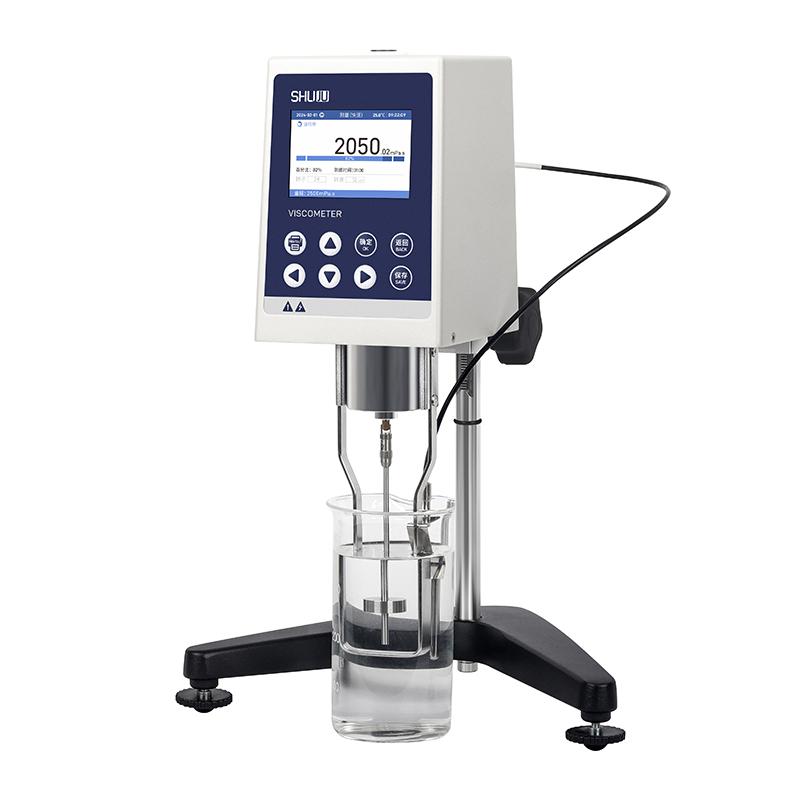
5. Application cases of Rotational Viscometers in the juice industry
The use of Rotational Viscometers in the juice industry is well established, and here are just a few real-world examples that demonstrate their critical role in production and quality control:
In-line viscosity monitoring in the production line – A large juice manufacturer introduced a Rotational Viscometer in its production line to achieve online real-time viscosity monitoring. Through this system, companies are able to monitor changes in juice viscosity in real time and adjust recipe or process parameters in time to ensure that the viscosity of each batch of juice is within the appropriate range.
Formulation optimization in new product development——When developing new juices, the R&D team uses Rotational Viscometers to measure the viscosity of juices under different formulations to find the right ratio to ensure that the new products have good fluidity and provide a rich taste experience of the formula.
Storage stability studies——A brand of juice was tested by a Rotational Viscometer to test the viscosity change of juice under different storage conditions, and analyze its stability under different temperature and nozzle conditions. This data helps brands optimize juice storage and transportation methods to extend product shelf life.
6. Summary
As one of the most important viscosity measurement tools in the juice industry, the Rotational Viscometer is the core equipment for juice production, R&D and quality control due to its ease of operation and versatility. Through the rotary viscometer, juice companies can not only accurately control the viscosity of the product and improve the product quality, but also optimize the formula in the research and development to ensure that consumers enjoy a better taste experience.
- 1Rotational viscometer - principle, classification, application and calibrating
- 2Application of NDJ-8S digital Rotational Viscometer in viscosity measurement of cosmetic raw materials
- 3NDJ-5S digital Rotational Viscometer accurate measurement of natural oil viscosity
- 4Viscosity of polypropylene (PP) amide measured by NDJ Viscometer
- 5Application of HBDV-1H swirl/spin High Temperature Viscometer in Viscosity Determination of Plastic Particles
- 6Rotational viscometer selection guide: How to choose the right viscosity equipment for you?
- 7Principle, type and accuracy control of Rotational Viscometer
- 8Which Viscometer to Choose for Licorice Extract Viscosity Testing? How to Test?
- 9Application of Rotational viscometer in Waterborne Polyurethane Adhesive