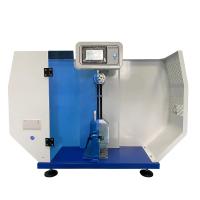
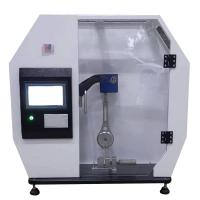
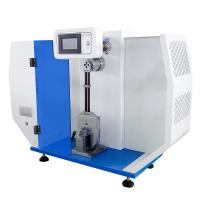
Simply Supported Beam VS Cantilever Impact Tester
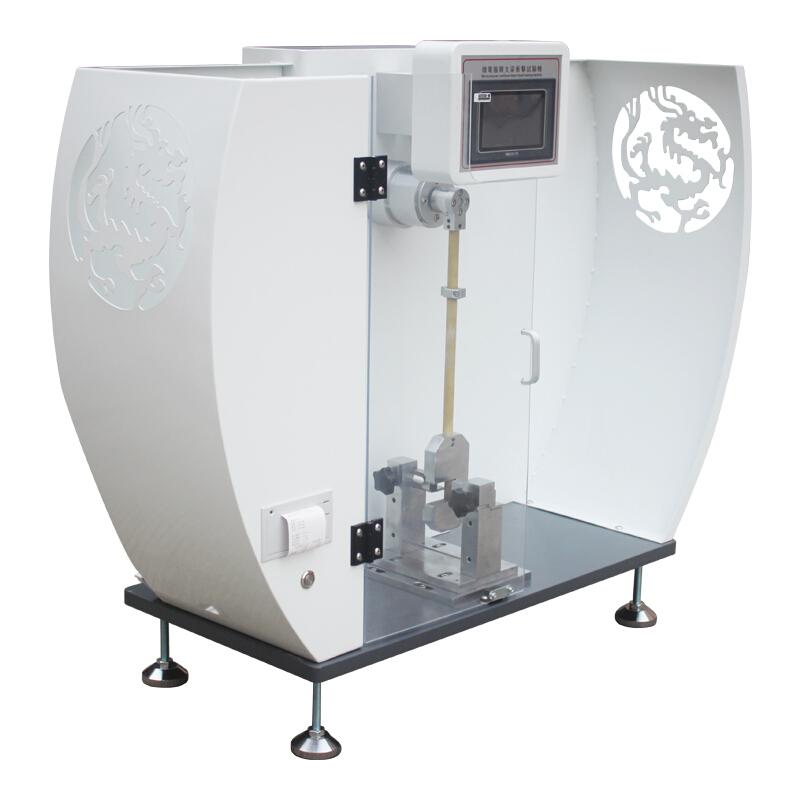
Charpy impact testing machines and cantilever beam impact testing machines are two commonly used equipment to evaluate the impact resistance of materials. There are obvious differences between them in terms of test standards, test methods, scope of application and sample specifications.
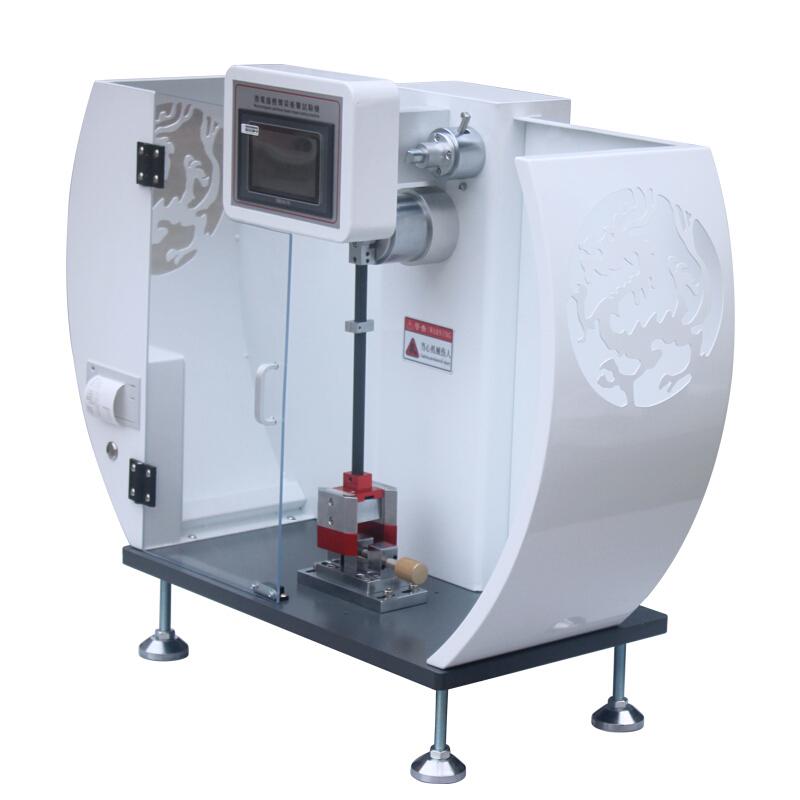
In terms of test standards
Charpy impact testing machine follows ISO 179, GB/T 1043 and other standards; The cantilever beam impact testing machine is in accordance with ISO 180, ASTM D256, GB/T 1843 and other standards.
In terms of test methods
In the Charpy test, the specimen is placed horizontally, the two ends are not fixed, and the pendulum impacts the specimen from the middle; In the cantilever test, one end of the specimen is fixed, the other end is free, and the pendulum is impinged from the free end.
Scope of application
Charpy impact testing machine is suitable for measuring the energy absorption capacity of materials under impact load, and is widely used in the toughness evaluation of various materials; The cantilever beam impact testing machine is mainly used to evaluate the impact resistance of notched specimens, and is often used for quality inspection of plastics, rubber and other materials. In terms of specimen specifications, the specimen specifications of Charpy beams are generally 80×10mm, which can be notched or notched; Cantilever specimens are typically 64×12.7×3.2 mm and notched depths of 10.2 mm.
| Compare items | Charpy impact testing machine | Cantilever impact testing machine |
| Test criteria | ISO 179、GB/T 1043、GB/T 2612、JB/T 8762、GB 4742 | ISO 180、ASTM D256、GB/T 1843、GB/T 2611、JB/T 8761 |
| Impact Strength Test Range | Measuring the resistance of a material to a pendulum impact is a single-point test. Impact energy is defined as the energy absorbed by a specimen when it is damaged under an impact load and is used to evaluate the toughness of a material. | Determination of the impact resistance of materials under pendulum impact, especially notched specimens. Impact strength is defined as the amount of energy absorbed by a material from initial failure to complete failure and is used for rapid quality inspection and material toughness comparisons. |
| Test Method | The specimen is placed horizontally and the ends are not fixed. Release the pendulum to impact the specimen and, if not, replace the heavier pendulum until the specimen is broken. | The specimen is positioned vertically and clamped with the notched side facing the edge of the pendulum. Release the pendulum to impact the specimen and, if not, replace the heavier pendulum until the specimen is broken. Tests can be performed at low temperatures. |
| Test sampling specifications | The specimen size is 80×10 mm and can be notched or notched. | ASTM standard: specimen specification is 64×12.7×3.2 mm (2.5×0.5×0.125 in) with a common thickness of 3.2 mm and an optimal thickness of 6.4 mm. The notch depth is 10.2 mm (0.4 in). ISO standard: Type 1A multi-purpose specimen with shaved ends in 80×10×4 mm and a notch depth of 8 mm. |
| Test data | The unit of impact energy is joules (J). Impact strength is the ratio of impact energy to the cross-sectional area at the notch. The higher the value, the better the toughness of the material. | ASTM Standard: Impact energy is measured in J/m or ft-lb/in, and impact strength is the impact energy divided by the specimen thickness, and the result is the average of 5 specimens. ISO standard: The unit of impact energy is kJ/m², and the impact strength is the ratio of impact energy to the area under the notch, and the result is the average of 10 specimens. The higher the value, the better the toughness of the material. |
-
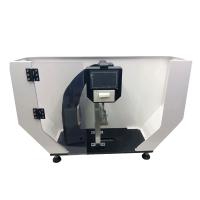
![SHUCHANG ZM-JZL-5D Digital Display Simply Supported Beam Impact Tester]()
-
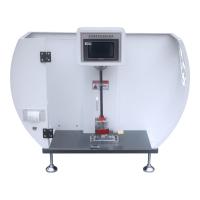
![CHINA NBC-XJJ-11B Digital Display Cantilever Impact Tester]()
-
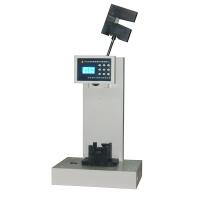
![JINHE XCJD-5.5 Digital Display Cantilever Impact Tester Impact Speed 3.5m/s]()
-
![Jinhe XCJD-50 digital display simply supported beam impact testing machine, impact toughness testing of non-metallic materials]()
-
![JINHE XCJD-5 Digital Display Simply Supported Beam Impact Tester]()
-
![YOUKE YK-3659 Digital Display Simply Supported Beam Impact Tester]()
-
![SHUCHANG SC-JZL Simply Supported Beam Impact Tester Non-metallic Material Impact performance under dynamic load]()
-
![YOUKE YK3652 Impact Tester 1J/2J/4J/5J]() YOUKE YK3652 Impact Tester 1J/2J/4J/5J$ 1230.00
YOUKE YK3652 Impact Tester 1J/2J/4J/5J$ 1230.00 -
![CHINA ASR-XJJ-50J Impact Tester 50J]()