Color fastness Tester: Definition, Application and Scientific Selection Guide
1. The core definition and function of the color fastness Tester
Colorfastness meters are a class of instruments specifically designed to accurately quantify the color stability of materials. In real life, materials will face various environmental factors, such as clothing will rub against the body or other items in daily wear, outdoor textiles will be exposed to sunlight for a long time, home textile products need to undergo multiple washes, etc., which may lead to changes in the color of the material, fading or staining. Colorfastness analyzers test the color stability of materials in these processes by simulating these real-world usage scenarios, and the test results are usually presented in an intuitive way such as a standard gray sample card or instrument readout, which can directly reflect the durability and user experience of the product.
Colorfastness meters can be categorized into various types based on different test objectives and application scenarios, each with its unique features and application scope:
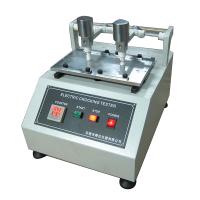
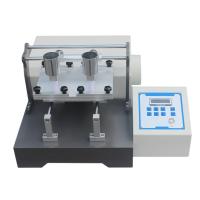
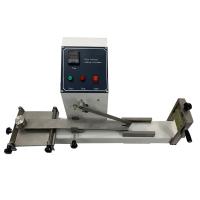
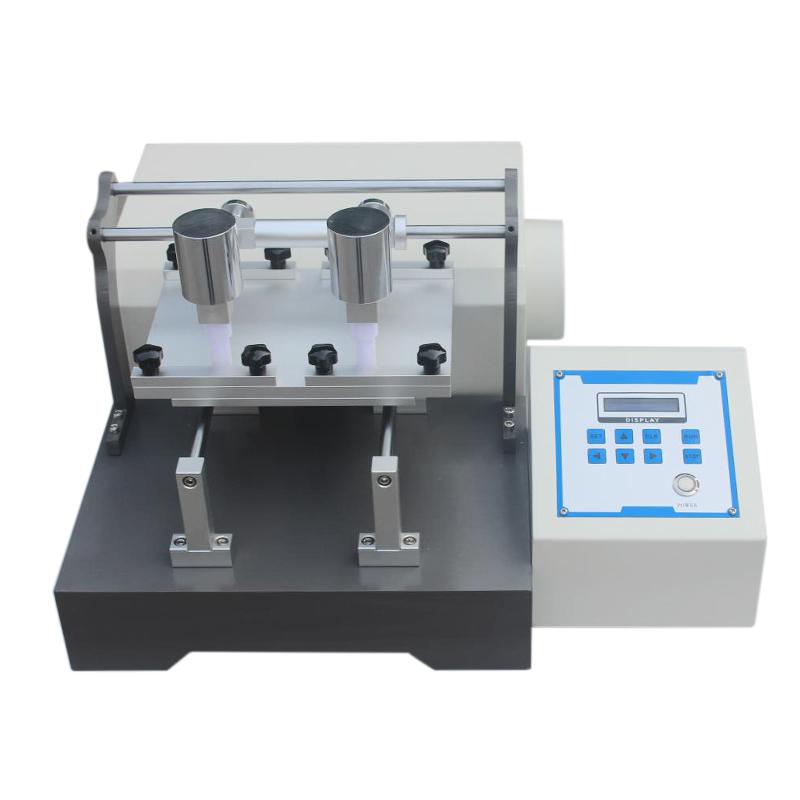
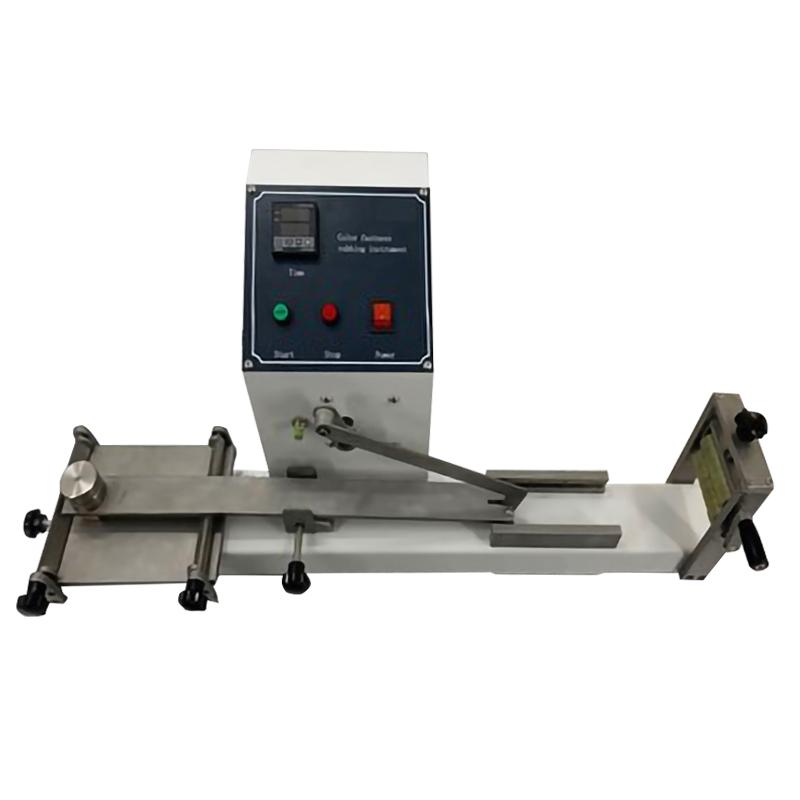
1. Friction color fastness meter: Mainly used to detect the color transfer of fabrics under dry or wet friction. In daily life, the cuffs, neckline and other parts of clothing are prone to color fading problems due to frequent friction with the body or other objects; Printed fabrics may also experience color fading in local areas. The friction fastness meter can simulate these friction scenarios and detect the fabric's resistance to friction fading by setting different friction times, pressures, and friction methods (dry or wet friction).
2. Lightfastness color fastness meter: Evaluate the fading resistance of materials such as outdoor textiles and automotive interiors by simulating sunlight or UV exposure. Many products will be affected by light during use, such as outdoor umbrellas, tents, etc. that need to be exposed to the sun for a long time, and the car interior will also be affected by the light in the car. If the color fastness of the material is not good, there will be obvious fading, affecting the aesthetics and service life of the product. The lightfastness color fastness meter can accurately control the light intensity, wavelength, and exposure time to simulate different lighting environments, thereby accurately evaluating the lightfastness properties of materials.
3. Washable color fastness meter: Simulate the washing machine environment to test the color change of fabrics after multiple washes and the risk of staining to other items. In daily life, textiles need to be washed frequently, and if the color fastness to washing is not up to standard, not only the color of the fabric itself will change, but also the color may be stained on other clothes. The washing color fastness meter can simulate different washing conditions, such as washing temperature, detergent type and washing time, etc., to detect the color stability and color staining of fabrics during the washing process.
4. Color fastness meter for special scenes: Such as sweat stain color fastness meter, smoke color fastness meter, etc., which are used to meet the special testing needs of subdivided fields. The sweat stain color fastness meter is mainly aimed at the human sweat environment, to detect the color stability of fabrics after sweat soaking, especially for intimate clothing, sweat color fastness is an important quality indicator; The smoke color fastness meter is used to simulate the discoloration situation in the gas combustion environment, and is suitable for material detection in some special use scenarios.
These different types of color fastness meters transform subjective color evaluation into objective data through standardized testing processes, providing a reliable basis for quality control and ensuring the color persistence of products in different usage scenarios.
2. Wide application scenarios of color fastness meters
The application of color fastness meters covers the entire chain from product development and production to market circulation, and its importance is reflected in multiple industries, playing a key role in ensuring product quality and user experience.
(1) Textile and garment industry
In the fabric research and development stage, color fastness testing is an indispensable link. Through color fastness testing, R&D personnel can screen suitable dyes and processes to ensure that the finished color meets design expectations. For example, infant clothing directly touches the delicate skin of babies, and the safety requirements for color are extremely high, and it needs to pass strict sweat and friction tests to avoid skin allergies caused by color fading; Outdoor sportswear needs to withstand long-term sun exposure, rain and friction, so it needs to have high lightfastness and good friction color fastness to ensure that the color is still bright after long-term use and is not easy to fade or fade.
(2) Printing and dyeing and chemical industry
Printing and dyeing enterprises use colorfastness meters to verify the stability of new formula dyes and optimize the color fixation process to reduce the defective rate. In the printing and dyeing process, the choice of dyes and the rationality of the color fixation process directly affect the color stability and quality of the fabric. By testing dyes with different formulations through color fastness meters, enterprises can screen out dyes with excellent performance, optimize color fixation process parameters, and improve the quality of printing and dyeing products. The color durability testing of chemical materials (such as plastic films, advertising prints) also relies on such equipment, such as outdoor billboards are prone to fading under the influence of environmental factors such as ultraviolet irradiation and wind and rain erosion.
(3) Home furnishing and decoration field
Home textile products (curtains, sofa covers, etc.) are an important part of home décor that require frequent cleaning and rubbing, so they need to be tested for friction and washing to ensure color persistence in daily use. If the color fastness of home textile products is not good, it will not only affect its aesthetics, but also may fade significantly after a period of use, affecting the overall decoration effect of the home. The lightfastness and color fastness of flooring, wallpaper and other decorative materials directly affect their aesthetics and service life. Long-term light will make these decorative materials fade and reduce their decorative value, through the color fastness Tester to test the lightfastness and color fastness of the decorative materials, you can choose reliable quality products to ensure the long-term beauty of home decoration.
(4) Standard testing and certification
Third-party laboratories perform color fastness testing according to international standards (such as ISO, AATCC, GB/T) and provide reports for product export or market access. In international trade, different countries and regions have different standards and requirements for the color fastness of products. For example, the EU market has strict requirements for the lightfastness and color fastness of textiles, and products that fail the test may face the risk of return. The third-party laboratory uses professional color fastness meters to test products in accordance with relevant standards and issues test reports to help enterprises prove that the products meet the quality requirements of the target market and successfully enter the international market.
3. How to scientifically select a colorfastness meter?
When choosing a colorfastness Tester, multiple factors need to be considered to ensure that the selected equipment can meet actual needs and achieve scientific and accurate detection.
(1) Clarify the test objectives
First, it is necessary to determine the characteristics and usage scenarios of the material to be tested. Different materials and application scenarios have different requirements for color fastness, so it is necessary to choose the appropriate color fastness meter type and test mode. For example, if you want to test the friction durability of clothing, you need to choose equipment that supports dry/wet friction modes to simulate various friction situations that the garment may encounter in actual wear. If the lightfastness of outdoor fabrics is evaluated, high-precision lighting simulation functions are required to accurately reproduce the outdoor lighting environment and evaluate the lightfastness of fabrics.
(2) Pay attention to standard compatibility
The standards adopted vary significantly across countries and industries. For example, the parameter requirements of Chinese national standards (GB/T) and international standards (ISO, AATCC) may be different, and the equipment needs to support the test specifications of the target market, such as the number of frictions, light wavelength, washing temperature, etc. When selecting a colorfastness meter, ensure that the device can meet the standard requirements of the target market so that the results are comparable. If the enterprise has export business, it needs to pay more attention to the compatibility of international standards to ensure that the product can enter the international market smoothly.
(3) Evaluate function and convenience
1. Automation Functions: High-end models support digital settings, automatic shutdown, real-time data logging, and other functions, which can reduce human operation errors and improve inspection efficiency and accuracy. Automation can make the testing process more standardized and standardized, avoiding deviations in test results caused by human factors.
2. Multi-scenario adaptation: Some devices can switch between multiple test modes (such as friction and washing composite testing) to improve laboratory efficiency. The multi-scenario adaptation function can enable one device to meet multiple testing needs, reduce the number of laboratory equipment purchased, and reduce the cost of enterprises.
3. Maintenance-Friendliness: Corrosion-resistant materials (such as 316 stainless steel) and easy-to-clean designs reduce long-term usage costs. Colorfastness meters may be exposed to various chemical agents and corrosive substances during use, so the material selection and design of the equipment are crucial for its service life and maintenance costs. Corrosion-resistant materials and easy-to-clean designs can make equipment more durable, reducing maintenance and servicing effort.
(4) Match user needs and budgets
1. Scientific research institutions: Priority should be given to high-precision equipment that supports multiple standards and can be customized programming. When conducting material research and development, scientific research institutions need to accurately control different standards and multiple test conditions, so high-precision and multi-functional color fastness meters are needed to meet scientific research needs.
2. Small and medium-sized enterprises: basic equipment can meet routine testing needs, focusing on cost performance. Small and medium-sized enterprises usually have relatively low requirements for the functionality of equipment and pay more attention to the cost performance of equipment. The basic color fastness meter can meet the routine testing needs of small and medium-sized enterprises, and the price is relatively low, which can reduce the procurement cost of enterprises.
3. Large testing center: High-throughput models (such as multi-station tribometers) are required to increase testing capacity. Large inspection centers often handle a large number of inspection tasks, so high-throughput colorfastness meters are needed to improve inspection efficiency. High-throughput models such as multi-station tribometers can test multiple samples at the same time, greatly increasing testing capacity and meeting the needs of large testing centers.
In addition, the supplier's technical support (e.g., calibration services, standard update consultations) is also an important consideration in selection. Good technical support can ensure the normal operation of equipment and the accuracy of test results, and at the same time help enterprises keep abreast of the update information of relevant standards and ensure the compliance of testing work.
epilogue
Colorfastness Tester is a key tool to ensure the color stability of materials, and its scientific selection and correct use are directly related to product quality and market competitiveness. In today's highly competitive market environment, enterprises pay more and more attention to product quality and brand image, and color fastness, as one of the important indicators of product quality, has received widespread attention. Whether it is a textile enterprise, a testing institution or a scientific research unit, it should evaluate the performance of equipment from multiple dimensions such as test objectives, standard compatibility, and functional flexibility according to actual needs, so as to choose a suitable color fastness meter solution. By reasonably selecting and using color fastness meters, enterprises can ensure the color persistence of their products in different usage scenarios, improve product quality and user satisfaction, and enhance market competitiveness.