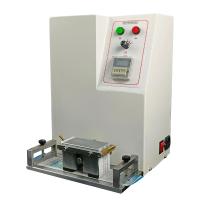
Ink Rub Resistance Tester: Core Equipment and Application Analysis of Wear Resistance Testing for Printing Products
1. Overview of ink decolorization testing machine
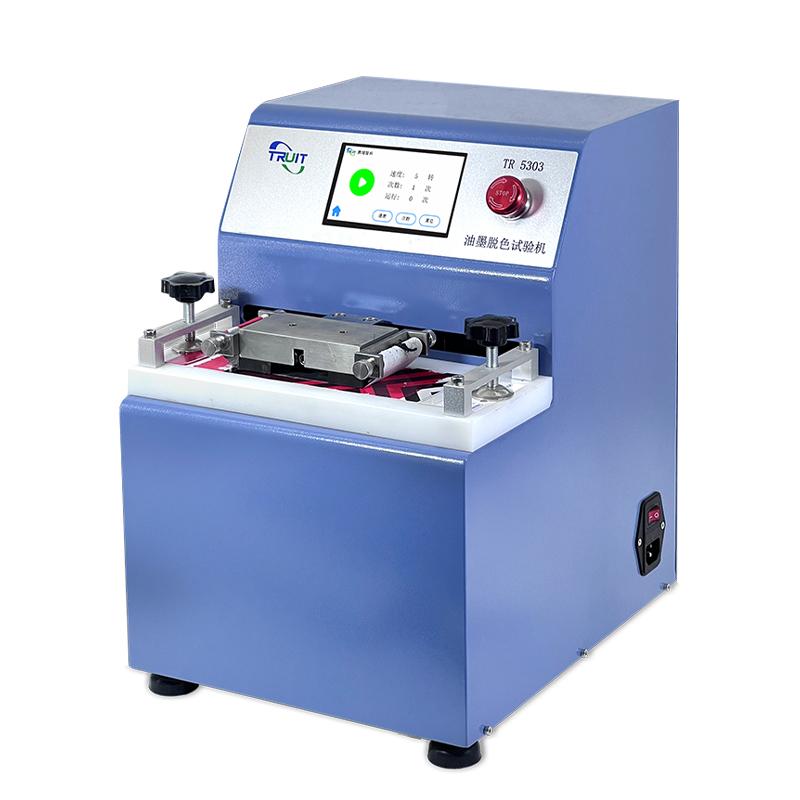
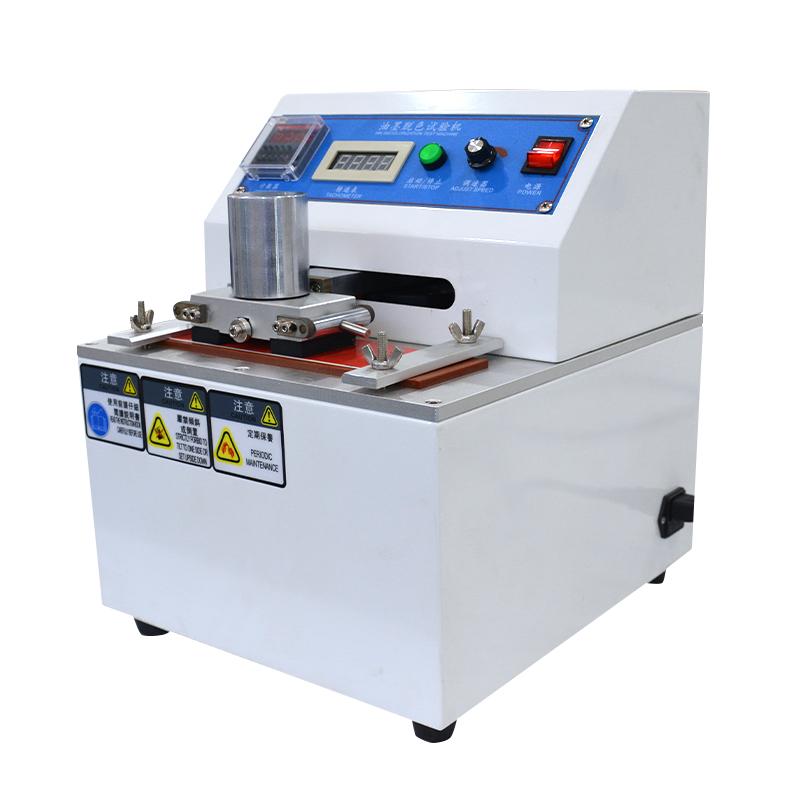
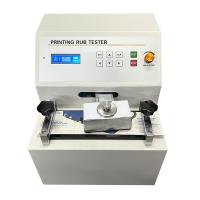
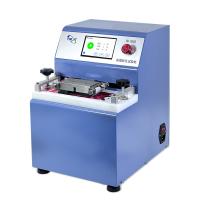
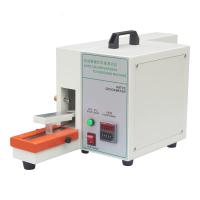
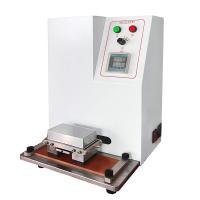
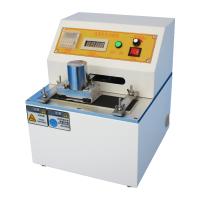
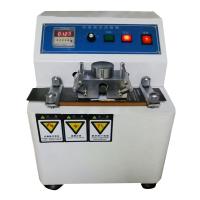
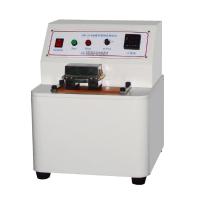
Ink decolorization testing machine is a professional testing equipment, mainly used to evaluate the wear resistance and fading resistance of printed ink layers, PS plate photosensitive layers and surface coatings of various products. This type of equipment scientifically determines the adhesion fastness and color stability of inks or coatings during long-term use by simulating friction, wear and other conditions in the actual use environment, and is a key quality control tool in printing, packaging, advertising and other industries.
From the technical principle, the ink decolorization Tester performs repeated friction tests by applying controllable pressure and speed to the sample through a specific friction medium, such as standard friction paper or abrasive cloth. During the testing process, professionals can visually observe the degree of ink transfer or color change, so as to accurately judge the adhesion, wear resistance, and reliability of the printing process. These test data are of great guidance for producers to optimize ink formulations or adjust printing process parameters, effectively avoiding product quality problems caused by ink layer peeling.
2. Detailed explanation of equipment types
(1) Classification according to test mode
1. Dry grinding and wet grinding test type
The dry grinding Tester is tested using only dry friction media and is suitable for daily abrasion resistance testing of conventional printed materials. Wet abrasion Testers, on the other hand, simulate the performance of inks in high-humidity environments by wetting samples or media before friction, such as the durability test of outdoor billboards in rainy weather.
2. Multi-speed adjustment type
This type of equipment has an adjustable friction speed range (commonly 21-106 times/min) to adapt to the testing needs of different materials. The high-speed friction mode is suitable for fast-wear scenarios (such as friction during packaging and transportation), while the low-speed mode is used to simulate wear in everyday use.
(2) Classification according to functional configuration
1. Multi-load configuration type
By replacing the friction head with different weights (e.g. 908g or 1810g), different contact pressures can be simulated. Light-duty configurations are suitable for the inspection of fine printed materials such as labels, while heavy-duty configurations are used to inspect the abrasion resistance of thick ink layers or hard coatings (such as metal signage).
2. Smart and basic
The basic equipment is mainly controlled by machinery, simple to operate, and suitable for small and medium-sized enterprises for daily testing. The intelligent equipment is equipped with a microcomputer control system, which supports parameter preset, automatic shutdown and data storage functions, which can meet the testing needs of high-precision laboratories.
3. Special functional type
Some high-end devices have expanded additional functions such as decolorization change testing and paper fuzz testing, which can comprehensively evaluate the environmental adaptability of inks in addition to friction, such as the impact of light and temperature changes on ink performance.
3. Core application areas
(1) Printing and packaging industry
1. Carton and label inspection
This equipment is mainly used to test the friction resistance of the ink layer during transportation and stacking of packaging materials to ensure that the text and patterns of the product can still be clearly distinguished after transportation. For food packaging, the safety and wear resistance of inks can also be verified to avoid contamination of the packaging surface or loss of important information due to friction.
2. Special packaging materials
For flexible materials such as plastic film packaging, the equipment can evaluate the adhesion of inks to flexible substrates to prevent problems such as label peeling due to friction.
(2) Publishing and printing
1. Book and magazine quality inspection
The device can evaluate the durability of the ink on the inner pages during flipping or long-term storage, effectively preventing text fading from affecting the reading experience. For children's books, the abrasion resistance and environmental protection of the ink can also be tested to ensure the safety of children when they come into contact with it.
2. High-quality print inspection
In the inspection of high-end prints such as art albums, the equipment can help evaluate the long-term stability of inks to meet the stringent requirements of collectible prints.
(3) Advertising and outdoor printing
1. Outdoor advertising material testing
By simulating wind, rain, and human touch scenarios, the device can test the color stability of the ink in extreme environments to ensure the durability of advertising effects. For special applications such as body advertising, ink adhesion on flexible materials can also be detected to avoid pattern shedding due to vehicle vibration.
2. Identification system detection
In the inspection of advertising signs and guidance systems, the equipment can verify the durability of inks under various environmental conditions, ensuring that the logo information is clearly readable.
(4) Electronics and industry
1. Home appliances and electronics
The equipment is used to assess the wear resistance of printed marks on plastic or metal coatings, ensuring that the markings remain visible after long-term use, meeting the durability requirements of electronic products.
2. Automotive industry applications
In the inspection of automotive interiors and components, the equipment can test the friction resistance of inks on fabrics or plastic parts, improving the user's tactile and visual experience while ensuring long-term marking clarity.
(5) R&D and quality control
1. Ink formulation optimization
By comparing the decolorization data of different formulations, R&D personnel can scientifically guide the adjustment of ink formulations and optimize key parameters such as resin and pigment ratios.
2. Production process monitoring
On the production line, the equipment can be used for sampling and testing to detect process problems such as too thin ink layer and insufficient drying in time to ensure the stability of product quality.
4. Equipment value and industry significance
Ink decolorization testing machines play an integral role in the quality control of printed products. In a highly competitive market environment, the appearance quality and durability of printed materials directly impact brand credibility and consumer experience. Through the standardized testing process, the equipment provides scientific quality control means for enterprises in the R&D, production and acceptance links, effectively reducing returns or legal disputes caused by ink problems.
With the increasingly stringent environmental regulations, modern ink decolorization testing machines can also assist in evaluating the environmental performance of inks, such as whether harmful substances are released after friction, and other key indicators, promoting the development of green printing technology. For enterprises pursuing high-quality development, whether it is basic or intelligent ink decolorization testing machines, it is an important guarantee to enhance product competitiveness and ensure stable product quality.
By quantifying test data (such as the relationship between the number of frictions and the level of decolorization), enterprises can accurately locate production process defects, optimize production processes, and improve product consistency and reliability. In today's printing industry pursuing refinement and standardized development, ink decolorization testing machine has become an indispensable key equipment in the quality management system of enterprises.
-
![CHINA NBC-8507 Ink Rub Resistance Tester printing, color printing box wear resistance]()
-
![LD-YM-M Curved Printing ink Decolorizer]()
-
![TRUIT TR 5303 Ink Rub Resistance Tester]() TRUIT TR 5303 Ink Rub Resistance Tester$ 1074.00
TRUIT TR 5303 Ink Rub Resistance Tester$ 1074.00 -
![AISRY NBC-5622 Electric Rub Resistance Tester Crockmeter Color fastness Tester]()
-
![PUYUN PY-H618 inks printing wear resistance Tester, friction times 9999 LCD display]()
-
![Jinan HORIZON MCJ-20 Ink Rub Resistance Tester Surface inks Wear resistance instrument]()
-
![FARI FR-1326 Printing ink decolorization Tester]()
-
![HUIDA HD-6010 Ink Rub Resistance Tester Electric Rub Resistance Tester]()
-
![IMT-214 Printing ink wear resistance decolorization Tester]()

- 1Ink decolorization testing machine tests ink friction resistance
- 2GB/T36650 Optical Fiber Coloring Ink Performance Testing Scheme [With Instrument Parameters]
- 3Transfer phase of ink transport on the printing press
- 4What are the functions and benefits of ink friction testing?
- 5Specific steps for ink adhesion selection
- 6Friction resistance of screen printing ink film
- 7What is the light resistance and chemical resistance of screen printing inks?
- 8Stickiness of screen printing ink
- 9What is screen printing ink thixotropy?