Softening point meters: Definition, application and scientific selection guide
1. The core concept of the softening point measuring instrument
Softening point analyzers are specialized instruments specifically designed to measure the critical temperature of a material when it changes from a rigid solid state to a malleable or fluid state during heating. This transition temperature, known as the "softening point," is a key physical indicator for characterizing the thermal stability and processability of a material. From a technical point of view, the instrument simulates the heating process of the material in the actual use environment by precisely controlling the heating rate, and then uses various detection techniques (such as optical observation, mechanical sensing, or image analysis) to capture the moment when the material begins to soften, thereby determining its softening point temperature.
Different materials exhibit very different softening behaviors due to their chemical composition and microstructural differences. For example, the softening of glass is a gradual process, usually based on a specific degree of deformation; while the softening of asphalt is manifested as the obvious flow under the gravity of steel balls; Softening of polymer materials such as greases or resins may manifest as volume expansion or increased fluidity. These differences determine the need for different test methods to adapt to the properties of various materials.
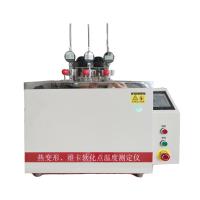
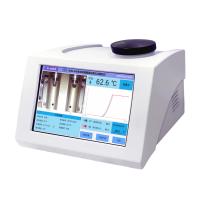
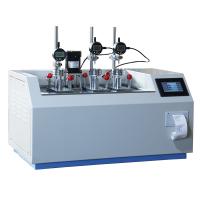
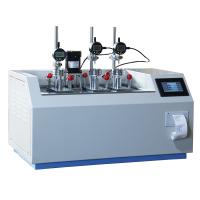
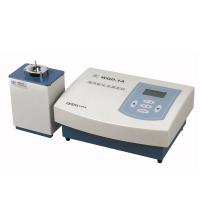
From the perspective of technical architecture, modern softening point analyzers are usually composed of four parts: precision heating system, temperature control system, sample support device and detection system. The heating system is responsible for providing a uniform and stable heat source; The temperature control system ensures that the heating rate meets the standard requirements; The sample support device is used to hold the sample to be tested and maintain its test geometry; The inspection system is responsible for capturing the critical state of material softening. These components work together to guarantee accuracy and repeatability of test results.

2. Multi-scenario application analysis
1. Verification of high-temperature performance in the glass industry
In the glass manufacturing industry, softening point is one of the core parameters for evaluating the high-temperature properties of materials. It directly determines the glass processing temperature range, thermoforming window, and the heat resistance limit of the final product. For example, the softening point of architectural float glass usually needs to be controlled within the range of 600-700°C to ensure that it can form sufficient surface compressive stress during tempering; Optical glass, on the other hand, requires a higher softening temperature (often exceeding 800°C) to avoid thermal distortion during the processing of precision optical components.
The application of softening point analyzers in the glass industry is not limited to basic performance evaluation, but also extends to new product development and quality control. By accurately measuring the softening behavior of different glass formulations, materials scientists can optimize the silicate composition ratio to find the optimal balance between light transmission, mechanical strength, and thermal stability. In addition, for specialty glasses such as borosilicate glass, which is commonly found in labware and electronic displays, accurate determination of its softening point is essential to ensure product reliability under extreme temperature conditions.
2. Asphalt quality control in road engineering
In the field of road construction and maintenance, asphalt's softening point is a key indicator for evaluating its high-temperature performance. This parameter directly affects the rutting resistance and long-term use performance of the road surface. Specifically, asphalt mixtures with too low softening points are prone to plastic flow in the high temperature environment in summer, resulting in permanent ruts and wave deformation on the road surface. Asphalt with a high softening point may become too brittle and hard under low temperature conditions, increasing the risk of road cracking.
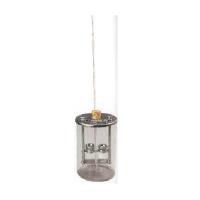
Modern softening point Testers play the role of standardization tools in asphalt inspection. Taking the classic global method as an example, the instrument precisely controls the heating rate of the Water Bath or glycerol bath (usually 5°C/min±0.1°C), and uses high-precision displacement sensors or high-definition camera systems to track the sinking trajectory of steel balls in asphalt samples to ensure that the test results meet international and national standards such as GB/T 4507 and ASTM D36. This standardized test method provides road engineers with a reliable basis for selecting asphalt types and ratios suitable for local climatic conditions.
3. Process suitability assessment of polymer materials
For polymer materials such as greases, resins, and rosin, the softening point is a key parameter to evaluate their processing suitability and performance performance. Taking grease as an example, its softening point needs to match the maximum operating temperature of the equipment during operation - usually the softening point is required to be at least 20-30°C higher than the operating temperature of the equipment to ensure that the grease maintains sufficient structural stability during use and prevents excessive precipitation of base oil leading to lubrication failure.
In the field of electronic packaging and composites, the softening point of resin materials has a decisive impact on their processing window. For example, the softening point of epoxy resin needs to be coordinated and matched with key process parameters such as welding temperature and lamination process to avoid premature material softening or flow during the manufacturing process. Softening point analyzers help materials engineers optimize formulation designs by providing accurate quantitative data, balancing the relationship between process flow and final product performance.
3. Key elements of scientific selection
1. Demand-oriented parameter matching
Choosing the right softening point Tester starts with three core questions: the type and properties of the material to be tested, applicable industry standards, and the scale requirements of the laboratory. Different materials (e.g., glass, asphalt, polymers) often require specific test methods and instrument configurations due to their different softening behaviors. For example, glass softening point testing may focus more on high-temperature stability and long-term heating performance, while asphalt testing emphasizes precise control of heating rate and selection of medium (water or glycerin).
Standard compatibility is a critical factor that must be considered when selecting a model. Various industries have strict standards for softening point testing, such as road asphalt testing needs to comply with GB/T 4507 or ASTM D36 standards. When purchasing, check whether the instrument is pre-configured with these standard test methods or supports user-defined parameter settings. For applications that need to meet specific regulatory requirements, such as the food industry, the instrument's data integrity features (e.g., audit trails, electronic signatures) are also important considerations.
2. In-depth consideration of technical indicators
Temperature control accuracy and stability are the core indicators for evaluating the performance of the softening point Tester. High-end instruments typically offer temperature resolutions of ±0.1°C and support a wide range of ramp-up rate adjustments (e.g., 0.1-20°C/min) to accommodate a wide range of testing needs, from materials with low melting points to ceramics with high softening points. Advanced PID control algorithms ensure linearity in the heating process and avoid temperature fluctuations affecting test results.
The choice of detection technology directly affects the objectivity and repeatability of the measurement results. The traditional visual method relies on the experience and judgment of the operator, and there is a risk of subjective error. The machine vision system or high-precision displacement sensor used in modern instruments can automatically identify the softening critical point, significantly improving data reliability. For lab environments where multiple samples need to be processed, multi-channel parallel testing capabilities, such as dual or quad sample configurations, can greatly improve productivity.
The stability of the system's long-term operation is also crucial. The fully enclosed furnace design can effectively reduce the interference of ambient temperature fluctuations in testing, and with high-quality temperature control components and durable mechanical structure, it ensures that the instrument maintains excellent performance over long-term continuous use. Ease of maintenance is also a factor to consider when selecting, including the convenience of consumables replacement and the simplicity of daily calibration processes.
3. Intelligence and expansion functions
Modern softening point meters are moving towards a higher degree of automation and intelligence. A good instrument design should include a one-touch operator interface, preset standard test procedures, automatic data logging and storage functions, reducing the technical barrier for operators and the risk of human error. For laboratories with high-throughput needs, multi-sample channel design and batch processing capabilities can significantly improve productivity.
Data management and compliance capabilities are especially important in high-end applications. Authority management, e-signatures, and audit trail capabilities that comply with 21 CFR Part 11 regulations provide the necessary compliance assurance for industries such as food and medical devices. Additionally, the instrument should support data export to common formats (e.g., Excel, PDF) and laboratory information management system (LIMS) integration for easy data analysis and traceability.
Considering the continuous development of technology, it will be more forward-looking to choose instruments with open interfaces and software upgrade capabilities. This not only helps to adapt to possible future standard changes, but also provides flexibility for laboratory technology upgrades. Some advanced systems also offer remote diagnostics and maintenance capabilities, further enhancing instrument availability and service efficiency.

4. Future development trends
With the deepening of material science research and the expansion of application fields, softening point determination technology is facing new challenges and development opportunities. On the one hand, the emergence of nanomaterials and smart materials has driven the need for lower temperature ranges and more complex phase transition behaviors. On the other hand, Industry 4.0 and smart manufacturing trends require test equipment to be more automated and data interconnected.
The development of technology shows several obvious trends: the detection accuracy continues to improve, and the softening behavior of micro-nano-scale materials can be measured; The test methods are more diversified to adapt to different material properties and application scenarios. The level of instrument intelligence has been improved, and more automatic analysis and decision-making functions have been integrated. Data management is more standardized to meet increasingly stringent compliance requirements.
For users, choosing a softening point meter with good scalability and upgrade potential will help meet the challenges brought about by future technological developments and standard updates. At the same time, establishing long-term cooperative relationships with instrument suppliers and obtaining continuous technical support and training services are also important factors in ensuring the long-term and efficient operation of equipment.
epilogue
As a key tool for evaluating the thermal properties of materials, the softening point Tester plays an irreplaceable role in multiple industrial fields. By accurately measuring the softening temperature of materials, it provides an important basis for R&D personnel to optimize material formulations and improve production processes, and provides a reliable means for quality managers to ensure product performance consistency. With the continuous advancement of technology, modern softening point analyzers are becoming more accurate, intelligent and easy to use, and will continue to make important contributions to the development of materials science and the improvement of industrial product quality.